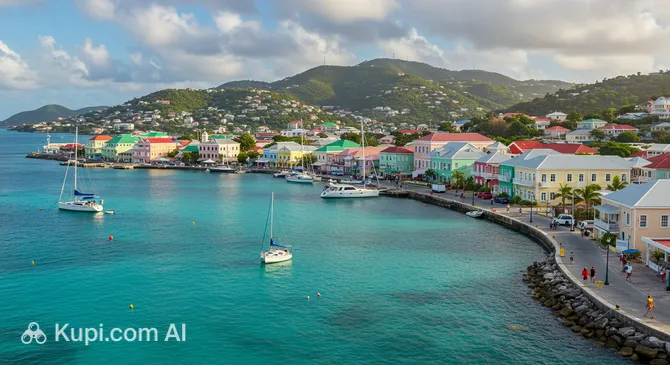
Road Town is not just the capital of the British Virgin Islands, but the vibrant heart of the archipelago, stretching along the southern coast of Tortola. The city is nestled around the horseshoe-shaped Road Harbour, which has served as a sanctuary for ships for centuries. Today, modern financial centers and government buildings coexist harmoniously with charming Caribbean architecture, creating the atmosphere of a busy yet relaxed port town.
Road Town. Illustration.
Source: Kupi.com AI
The city's rich historical heritage is closely linked to the era of colonial discoveries and pirate legends. Home to just over 12,000 people, modern Road Town serves as the territory's main economic and transport hub. It features a major seaport that welcomes majestic cruise liners and white yachts from all over the world, making the city an ideal starting point for exploring the Virgin Islands.
For tourists, Road Town is attractive for its compactness and local flavor: a stroll down Main Street reveals historic colonial buildings, while a visit to the botanical gardens offers a cool retreat amidst tropical greenery. Despite its capital status, the city maintains a cozy pace of life, where it is customary to enjoy the sunset at one of the marinas with a local rum cocktail after a business meeting. We invite you to discover this unique corner of the Caribbean, where history meets modern comfort.
Weather Overview
The weather in Road Town is defined by a typical tropical marine climate, characterized by consistently high temperatures and refreshing trade winds. Throughout the year, the thermometer rarely drops below +24°C, and in the summer months, it often reaches +28°C and above. You can study the Road Town climate in more detail by month to choose the ideal time for your visit.
Expect a warm and sunny summer with brief tropical showers that usually pass quickly, leaving freshness behind. The wettest period is in autumn, especially September and October, when rainfall can reach 200 mm per month. Winter and spring are considered the "dry" season and the most comfortable time for a holiday: in March and April, the number of rainy days is minimal, and humidity becomes more moderate.
Thanks to its location in a sheltered bay, the city is partially protected from strong winds; however, the constant circulation of sea air ensures a comfortable atmosphere even on hot days. In Road Town, there are no major industrial zones, so the air always remains clean and clear, which, combined with the bright Caribbean sun, creates ideal conditions for walks and sea excursions.
Interesting Facts
Unique Harbor: The city grew around Road Harbour — a natural horseshoe-shaped bay that historically made it the region's most important port, capable of receiving vessels of any size.
Currency Matters: Despite its status as a British Overseas Territory, the official currency in Road Town is the US Dollar, which is extremely convenient for international tourists and business.
Pirate Past: In the 17th and 18th centuries, the surroundings of the current capital were a favorite mooring spot for Dutch and English privateers, who used the island's jagged coastline for cover.
Financial Center: The city balances the role of a relaxed resort and one of the world's largest offshore centers — tens of thousands of international companies are registered here.
The Island's Green Roof: Very close to the city is Sage Mountain National Park, where the island's highest point preserves sections of primeval tropical forest untouched since colonial times.
How to Get There
There are several ways to reach the capital of the British Virgin Islands, but air and sea travel remain the primary hubs for travelers. Thanks to its status as an administrative center, Road Town enjoys good transport connectivity with neighboring islands and major Caribbean hubs. You can research more details on how to get to the city in advance to plan your connections and transfers.
The main air gateway is Terrance B. Lettsome International Airport (EIS), located on Beef Island. Although the airport is on a neighboring island, it is connected to Tortola by a road bridge. A taxi ride from the terminal to the center of Road Town takes about 20–30 minutes. There are no direct flights from Europe or Russia, so most tourists arrive via Puerto Rico, Antigua, or Saint Martin.
The sea route is equally popular: Road Harbour features a large cruise terminal and ferry dock. Regular ferries connect Road Town with St. Thomas (US Virgin Islands) and other islands in the archipelago. This is a scenic way to arrive, allowing you to immediately appreciate the beauty of the bay. There is no railway service on the islands, so movement within the island is exclusively by motor vehicle.
Main Attractions
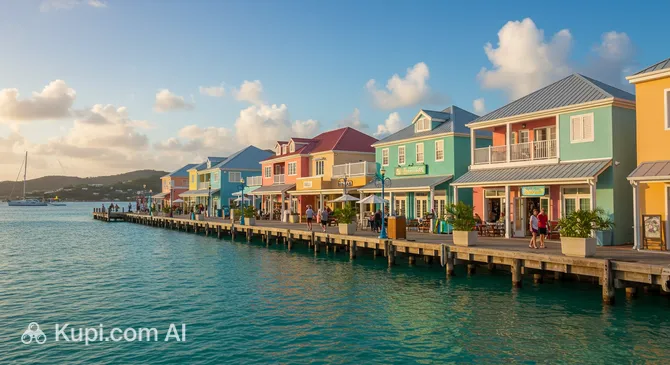
In Road Town, you won't find giant skyscrapers, but its charm lies in the details and the atmosphere of a Caribbean capital. One of the most popular locations is Tortola Pier Park — a modern and well-appointed space right by the cruise terminal. It is home to numerous boutiques, cozy cafes, and bars where travelers can relax immediately after arriving on the island or before setting sail.
Tortola Pier Park. Illustration.
Source: Kupi.com AI
Traveller photos:
For those who appreciate history, a walk along Main Street is a must. This area has preserved fragments of historical architecture with colonial buildings that now house small shops and offices. Also located here is the Virgin Islands Folk Museum. Its exhibits, housed in an old building, tell the story of the culture, traditions, and the complex history of settling these lands.
Nature lovers should visit the J.R. O'Neal Botanic Gardens. This botanical garden is a true oasis of tranquility in the city center, featuring an impressive collection of tropical plants, a lily pond, and aviaries with exotic birds. To get acquainted with local crafts, head to Crafts Alive Village — a colorful artisan village where you can buy unique handmade souvenirs, textiles, and jewelry created by Tortola residents.
Local Cuisine
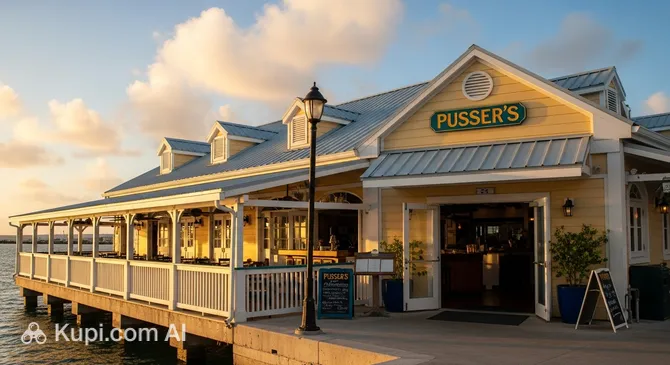
The gastronomy of Road Town is a vibrant mix of Caribbean traditions, British influence, and international culinary trends. The foundation of the local menu is seafood: freshly caught lobster, snapper, and mahi-mahi, which are often grilled using local spices. One of the city's landmark establishments is the Pusser's restaurant, where you can not only have a delicious dinner but also immerse yourself in the region's history, dining surrounded by maritime memorabilia.
Pusser's. Illustration.
Source: Kupi.com AI
Traveller photos:
Be sure to try the traditional "fish and fungi" (fish with cornmeal) or succulent BBQ chicken, which is prepared here with great skill. The dining culture in the capital is diverse: from elegant hotel restaurants like Maria's By the Sea to small, authentic spots in Crafts Alive Village. In these places, you can snack on roti — a flatbread filled with curry — or taste local desserts made from coconut and tropical fruits.
As for drinks, rum is the undisputed leader. The islands produce their own varieties of this spirit, which serve as the base for the famous Painkiller cocktail. Its original recipe includes dark rum, pineapple and orange juices, cream of coconut, and grated nutmeg. The atmosphere of gastronomic Road Town is relaxed: most establishments offer open terraces with views of the marina, allowing you to enjoy your meal to the sound of the surf and the cries of seagulls.
Travel Tips
A trip to Road Town promises to be rich and vibrant, and to ensure your vacation in the British Virgin Islands is perfect, use these tried-and-tested tips.
Clothing and Essentials: Choose light clothing made from natural fabrics, as it is almost always hot in the city. Don't forget comfortable shoes for walking on hilly terrain and sun protection accessories. When visiting official institutions or churches, it is recommended to cover shoulders and knees.
Finance: The official currency is the US Dollar (USD). Cards are accepted in most restaurants and large shops, but for taxis and small souvenir stalls, it is better to always carry small-denomination cash.
Transport: The best way to explore the island is by car rental or taxi. Keep in mind that traffic is left-hand, and roads can be very winding.
Connectivity: Local SIM cards can be purchased at provider offices in the city center. Wi-Fi is available in most cafes and hotels, but its speed may be low.
Safety: The city is generally safe, but in the port area on cruise ship arrival days, you should watch your personal belongings closely due to large crowds.
Etiquette: Politeness is highly valued here. It is customary to greet people even if you are just entering a shop or getting into a taxi. A simple "Good morning" or "Good afternoon" will win over the locals.
What to Avoid: You should not walk around the city in swimwear or shirtless — this is considered disrespectful and is only acceptable on beaches or by the pool.
Planning: Always check ferry schedules in advance, as they can change depending on weather conditions or the season.
Following these simple rules will help you feel at home in this Caribbean capital and ensure you get only positive emotions from your trip!
Entertainment & Nightlife
Entertainment in Road Town is closely tied to the sea and its welcoming shores. During the day, most activity is concentrated on the waterfront and around the marinas, where boat trips, diving, and sailing regattas are organized. The capital serves as the main hub for departures to neighboring islands like Jost Van Dyke, famous for its legendary beach bars and laid-back parties on the sand.
As evening falls, the center of gravity shifts to Tortola Pier Park and the venues adjacent to the port. Here, you can find bars with live music and restaurants offering excellent views of the harbor. One of the iconic spots is Pusser's — this establishment is famous for its historical connection to the British Navy and its signature rum-based cocktails. The crowd here is international, ranging from cruise ship crews to professional sailors and employees of local companies.
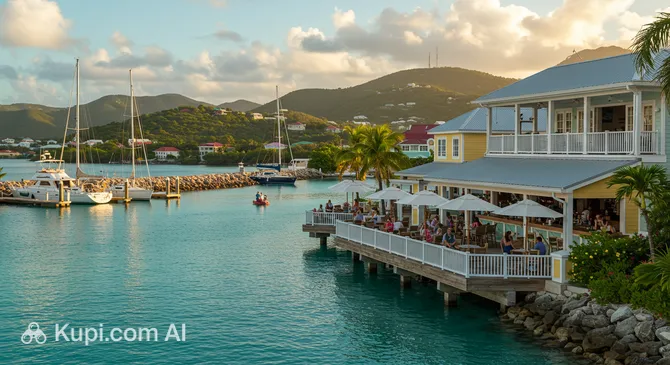
Nanny Cay Resort & Marina. Illustration.
Source: Kupi.com AI
Traveller photos:
Hotel complexes such as Maria's By the Sea or the nearby Nanny Cay Resort and Marina offer a quieter and more premium experience. These locations often host themed dinners and cultural events. The city's nightlife is more intimate and soulful than boisterous: people value good conversation to the sounds of reggae or calypso, and the safety of the central tourist areas allows for pleasant strolls under the starry Caribbean sky.
Parks & Museums
The cultural and natural heritage of Road Town is concentrated in its pleasant gardens and small but informative museums. The city's main green attraction is the J.R. O'Neal Botanic Gardens. Located in the heart of the capital, this botanical garden offers visitors a walk among rare species of tropical plants, exotic flowers, and ancient trees. The water lily pond and cool paths make it an ideal place to escape the midday heat.
Tortola Pier Park. Illustration.
Source: Kupi.com AI
Traveller photos:
For those who want to understand the history of the islands more deeply, the Virgin Islands Folk Museum opens its doors. The museum is located in a charming historical building on Main Street. Its collection includes artifacts from the Arawak and Carib Indians, items of colonial life, and exhibits telling the story of the plantation era and maritime trade. This place allows you to see how the archipelago evolved over the centuries into a modern, thriving territory.
Although the city itself is quite compact, its natural surroundings are impressive. A short drive from Road Town is the Sage Mountain National Park. It is the highest point not only on Tortola but in all the Virgin Islands. Hiking trails are laid out through the dense tropical forest, where you can spot rare birds and enjoy panoramic views of the neighboring islands. The combination of well-kept urban gardens and wild mountain nature makes a visit to the capital rich and varied.
Getting Around
The public transport system in Road Town reflects the intimate character of the island capital. Here you won't find subways or trams; instead, the usual city buses are replaced by a more flexible system. The primary mode of transportation for locals and tourists alike is the open or closed safari taxis (minibuses) that ply the main roads of Tortola. They don't always follow a strict schedule, but they are the most affordable way to reach neighboring settlements.
For moving around the very center of Road Town, transport is often not needed at all — the city is very compact, and main attractions, banks, and government offices are within walking distance of each other. If you need to reach a distant beach or the airport, it is best to use the services of official taxis. It is worth noting that fixed metered fares are often non-existent here, so it is recommended to clarify and agree on the price of the trip with the driver in advance.
Water transport plays a special role in the life of the city. Ferries in Road Town are like "intercity buses," connecting the capital with other islands in the archipelago and St. Thomas. The docks are located right in the center of Road Harbour, making the transfer from land to water transport as convenient as possible. Car rental is also a popular option for tourists planning to actively explore Tortola, but remember that driving is on the left and steep, hilly roads require confident driving skills.
Accommodation
Accommodation options in Road Town reflect its dual nature: it is both a business capital and a major yachting center. The city itself is dominated by mid-range hotels catering to business travelers and those who want to be in the heart of the action. One such popular spot is Maria's By the Sea, offering comfortable rooms and easy access to government offices and the port.
Nanny Cay Resort & Marina. Illustration.
Source: Kupi.com AI
Traveller photos:
For those whose lives are tied to the sea, marina-based hotels are the ideal choice. For instance, Nanny Cay Resort and Marina provides not only accommodation but also a full range of services for sailors, situated in a picturesque location near the city. Here you can find both classic hotel rooms and apartments with kitchens, which are convenient for long-term stays.
Budget accommodation is represented by small guest houses, though their number is limited and they are often booked well in advance. During the peak tourist season (December to April), demand for hotels increases significantly, so it is recommended to book your stay several months before your trip. If you are looking for luxury secluded resorts with private beaches, you should look on the outskirts of Tortola, while Road Town remains the best place for those who prioritize logistics and proximity to restaurants and shops.
Nearby Cities
Road Town serves as an ideal starting point for exploring the scenic surroundings of Tortola and the neighboring gems of the Caribbean Sea. Thanks to the well-developed ferry service and the compactness of the region, you can head off on a new journey every morning and return to the comfort of the capital's restaurants by evening.
Just a few kilometers from the center lies the rest of Tortola, where the best northern coast beaches and historical ruins are hidden. Another must-visit destination is the island of Virgin Gorda. It is famous for its unique natural park, "The Baths," where massive granite boulders form mysterious grottoes and lagoons with crystal-clear water — it takes about 30-40 minutes to get there by ferry.
For those wishing to switch jurisdictions for a day, the path is open to St. John, located in the US Virgin Islands. This destination attracts visitors with its pristine national parks and excellent snorkeling opportunities. Exploring the surroundings of Road Town will give you a complete picture of the Caribbean's diversity: from quiet, secluded bays to the bustling tourist centers of neighboring islands.
Shopping & Souvenirs
Shopping in Road Town is a pleasant mix of searching for unique crafts and visiting modern tourist-oriented shopping areas. In recent years, Tortola Pier Park has become the main shopping destination. This open-air complex offers a wide selection of goods: from jewelry and designer clothing to quality spirits. It is pleasant to simply stroll between the pastel-colored buildings, stopping at pastry shops or souvenir stalls.
Tortola Pier Park. Illustration.
Source: Kupi.com AI
Traveller photos:
If you are looking for something truly authentic, head to Crafts Alive Village. This colorful "village" consists of bright little houses, each where local artisans offer their creations. Here you can purchase hand-painted pareos, straw hats, shell jewelry, and famous Caribbean spices. It is the best place to buy souvenirs that will remind you of the warmth of the Virgin Islands.
Trade in the city also thrives on Main Street, where more traditional shops and small boutiques are located. The main local product worth bringing home is certainly rum. Marina shops, such as Nanny Cay Resort and Marina, or specialized boutiques in the port offer a huge selection of this drink. Shops typically operate from 9:00 AM to 5:00 PM, and on days when large cruise ships arrive, many establishments extend their hours. US Dollars and major credit cards are widely accepted for payment.