Support

Palace of the Lions

About

The Palace of the Lions (Palácio dos Leões) is one of the most striking and significant landmarks in São Luís, Brazil. It is not just a historical building, but the active residence of the Maranhão state government, which grants it a special status. The palace stands on a hill overlooking São Marcos Bay, occupying the site where a fort built by the French once stood.
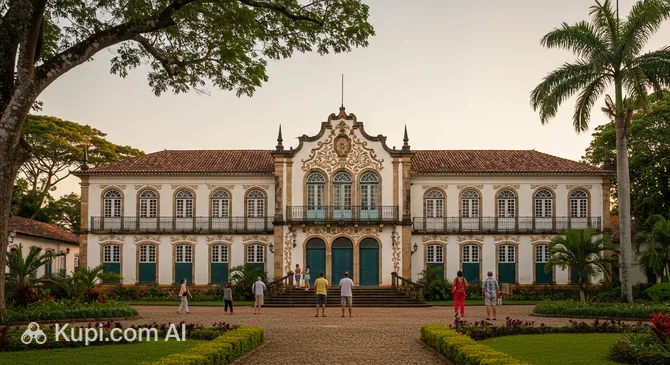
Palace of the Lions. Illustration.
Source: Kupi.com AI

Traveller photos:

The building is a magnificent example of colonial architecture with strong 17th-century French influence. Its facade is adorned with elegant columns, porticos, and stucco work, making it a true work of art. The name "Palace of the Lions" comes from the bronze lion sculptures that guard its entrance and symbolize strength and justice.

Visiting the Palace of the Lions is an opportunity to touch the history and culture of the region. Some areas are open to the public, where visitors can see luxurious halls, antique furniture, and artworks. Furthermore, the palace is a central element of the historic center of São Luís, which is a UNESCO World Heritage site, making it a must-see on any traveler's itinerary.

Contacts

The Palace of the Lions, serving as the seat of the Maranhão state government, is located in the historic center of São Luís. Since opening hours and visiting conditions can change, it is recommended to consult official tourism portals or information centers directly in the city for the most accurate information on visiting times, tours, and contact details.

How to contactContact
AddressR. Dom Pedro II, S/N - Centro, São Luís - MA, 65010-070, Brazil
Phone+55 98 2108-9108
Websiteacervo.palaciodosleoes.ma.gov.br

What to Do

Visiting the Palace of the Lions is a unique opportunity to immerse yourself in the rich history and architecture of colonial Brazil. The main highlight to note is the building itself, which is a magnificent example of 17th-century French architecture. Strolling around, you can examine its majestic facade in detail, decorated with columns, porticos, and elegant stucco work. It is a wonderful chance to take memorable photos and feel the atmosphere of the past.

Inside the palace, an equally impressive sight awaits visitors. The monumental staircases leading to the grand halls deserve special attention. Be sure to appreciate the rich decor of the interior rooms, which reflects the status and history of this location. Although the palace still performs administrative functions today, its historical section is open to tourists wishing to connect with the region's heritage.

The Palace of the Lions is an integral part of the historic center of São Luís, which is a UNESCO World Heritage site. Therefore, a visit here is easily combined with a walk through the ancient streets and a tour of other iconic landmarks. Nearby architectural monuments such as the Carmelite Convent and the Cathedral allow for a rich and informative full-day itinerary.

Getting There

The Palace of the Lions is conveniently located in the heart of the historic center of São Luís, an area listed as a UNESCO World Heritage site. This central location makes the landmark easily accessible for all visitors. The first step for travelers is typically arriving in São Luís itself.

The city is served by an international airport, allowing it to be reached by air from major cities in Brazil. Upon arrival at the airport or from any other point in the city, there are several ways to reach the Palace of the Lions. The fastest and most comfortable option is a taxi, which will take you directly to the historic center. Alternatively, public transport is available: numerous bus routes pass through the city center, making it easy to reach your destination.

Nearest city: São Luís

History & Facts

The history of the Palace of the Lions (Palácio dos Leões) is inextricably linked to the founding and development of São Luís. Its story began on the site where, in 1612, French colonists built a fort, naming it after their King Louis XIII. This fortification became the core of the future city. Although the first palace building appeared here in 1624, the modern structure we see today was erected in the 1770s, built upon the same historical foundations of the French fort.

The palace became a silent witness to the turbulent colonial era and the struggle between European powers for influence in Brazil. Founded by the French, São Luís was captured as early as 1615 by the Portuguese, who sought to strengthen their position in the region. Later, from 1641 to 1644, the city and the palace were under Dutch rule. These changes in power reflect the complex and multifaceted history of not only the city but the entire country.

Today, the Palace of the Lions is not just a beautiful architectural monument, but a living symbol of historical heritage. Each renovation and update over the centuries has added new layers to its rich history. For visitors, it is a unique opportunity to touch the past, feel the spirit of the times, and understand how modern Brazilian culture was born from the confrontation of colonial empires.

Time Needed

To explore the Palace of the Lions in São Luís, most travelers should set aside approximately 1-2 hours. This time is usually sufficient to appreciate both the building's impressive exterior architecture and its historic interiors at a leisurely pace.

The duration of your visit largely depends on your interests. A quick walk to admire the facade and take a few photos with the bronze lions guarding the entrance will take no more than 30 minutes. However, to fully appreciate the site, it is recommended to join a guided tour of the interior halls. This will allow you to see the luxurious decor, artworks, and historic furniture, immersing yourself in Brazil's past.

As the Palace of the Lions is an active government residence, interior access is often organized via guided tours and may be limited by time. If you have a deep interest in history or art, you might need a bit more time for a detailed study of the exhibits. It is advisable to check the current tour schedule before your visit to plan your time effectively.

Working Hours

When planning a visit to the Palace of the Lions, it is important to remember that it is not only a historical landmark but also the active residence of the Maranhão state government. Consequently, public opening hours may be limited and can change depending on official events. Generally, tourist access is organized through guided tours on specific days and hours.

To obtain the most accurate and up-to-date information regarding the schedule, it is highly recommended to check the official Maranhão state government website or the tourism portals of São Luís. It is also useful to confirm whether advance registration for a tour is required, as group sizes are often limited. This will allow you to plan your visit in advance and avoid any inconvenience.

DayOpening hours
MondayClosed
Tuesday9:00 – 17:00
Wednesday9:00 – 17:00
Thursday9:00 – 17:00
Friday9:00 – 17:00
Saturday9:00 – 17:00
Sunday9:00 – 17:00

Nearby

A visit to such an iconic landmark as the Palace of the Lions is just a starting point for exploring the rich culture and history of São Luís. To truly experience the atmosphere of this colonial city, it is worth exploring the surrounding area. A stroll through the nearby streets and squares will allow you to immerse yourself deeper into the unique heritage of the Maranhão state capital and see how the past harmoniously intertwines with the present.

Many interesting sites are within walking distance of the palace, making exploration convenient and enjoyable. Discover ancient churches, lively squares, and museums, each telling its own part of the city's story. Below is a list of nearby attractions.

NameDistance
Dom Pedro II Square0.2 km
Maranhão Reggae Museum0.2 km
Metropolitan Cathedral of São Luís (Cathedral of Our Lady of Victory)0.2 km
Historic Center of São Luís0.2 km
Benedito Leite Square0.3 km
Historic Centre of São Luís0.4 km
Ribeirão Fountain0.5 km

Reached the bottom of the page?

Looks like you know this route inside out