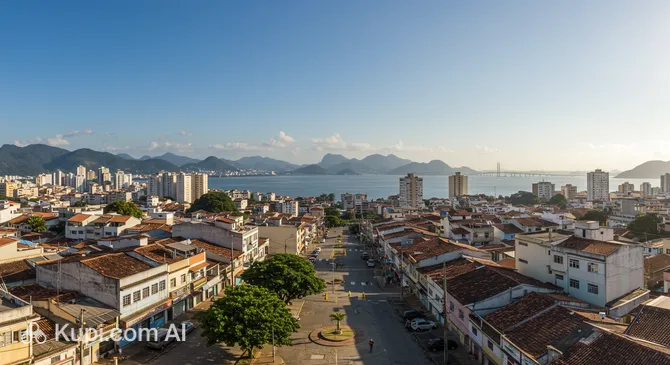
São Gonçalo is a dynamically developing metropolis located on the eastern shore of Guanabara Bay in sunny Brazil. As the second most populous city in the state of Rio de Janeiro, it harmoniously combines the character of a major industrial center with the charm of old colonial traditions. With a population of over one million people, the city pulses with the rhythm of a modern metropolitan area while remaining an important link between the region's historical past and its future.
São Gonçalo. Illustration.
Source: Kupi.com AI
The city's founding dates back to the 17th century, when Portuguese colonizer Gonçalo Gonçalves built a chapel here in honor of Saint Gonçalo de Amarante. The history of this heritage can be traced in the architecture of old fazendas and churches that still stand alongside modern residential neighborhoods. Its geographical location on the bay makes São Gonçalo a strategic point, offering impressive views of the surrounding landscapes and the famous Rio-Niterói Bridge.
For tourists, São Gonçalo is interesting primarily for its authentic Brazilian flavor. Here, you can experience the life of real Brazil, far from the polished tourist postcards, visit colonial parishes, or relax on the coast while enjoying local cuisine in seaside restaurants. We invite you to discover this multifaceted city, where the hospitality of the locals and the energy of the ocean breeze create a unique atmosphere.
Weather Overview
São Gonçalo is dominated by a classic tropical climate, characterized by warmth and high humidity throughout the year. The average annual temperature stays around 26.4°C, making this region attractive for those who love eternal summer. However, it is worth considering that weather conditions can change significantly depending on the season.
The summer period, lasting from December to March, is usually the hottest and most humid: the thermometer can rise to 35°C and above. During this time, short but heavy tropical downpours are frequent, especially in the afternoon. Winter, occurring from June to August, is drier and milder—the average temperature in these months is about 21°C, which is ideal for long walks and sightseeing.
When planning your trip, you can check the exact weather in the city in advance to pack your suitcase correctly. The peak of solar activity occurs from October to December, while the rainiest months usually fall at the beginning of the year. Thanks to its proximity to the ocean, a refreshing breeze often blows here, helping to make the daytime heat more manageable.
Average monthly temperature
Average monthly precipitation
Interesting Facts
The city was named in honor of Saint Gonçalo de Amarante, and its official history began with the consecration of a chapel on October 26, 1644.
São Gonçalo is one of the most densely populated municipalities in the country: more than one million people live in an area of 249 km², creating a unique urban density.
The territory of the modern city was inhabited long before the arrival of Europeans—archaeological data indicates the presence of indigenous tribes here as far back as 10,000 BC.
Until 1890, the city was not independent and was part of neighboring Niterói, from which it separated on September 22, gaining the status of a municipality.
The Human Development Index in São Gonçalo is traditionally considered high by Brazilian standards, reflecting the city's importance as a major industrial and educational hub.
How to Get There
São Gonçalo boasts excellent transport accessibility thanks to its location within a massive metropolitan area. Travelers can find detailed information on how to get to the city by various means, including modern highways and bridges.
The main air hub for visitors is Galeão International Airport (GIG), located in Rio de Janeiro. It is approximately 35-40 kilometers from São Gonçalo. You can get there by taxi or regular buses following the BR-101 highway, which takes about 45-60 minutes in favorable traffic.
For those who prefer ground transport, the primary link is the famous Rio-Niterói Bridge. It is 14 kilometers long and connects São Gonçalo with the center of Rio de Janeiro. Commuter trains and an extensive bus network connecting the city with neighboring municipalities are also actively used.
Station
Passenger traffic
Distance
Leopoldina Station
4
19 km
1
122 km
Railway Station Bananal
8
132 km
2
192 km
1
251 km
Main Attractions
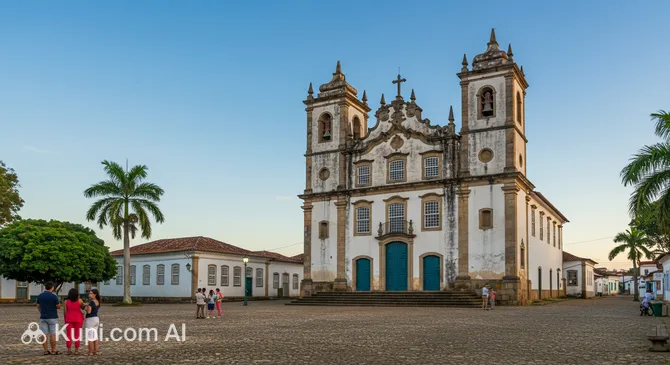
The main spiritual and historical symbol of the city is rightly considered the Parish Church of São Gonçalo de Amarante. Founded in the 17th century, this colonial church preserves the memory of the first settlers and Portuguese traditions. The building's architecture, with its classical facades and cozy interior, attracts history buffs wishing to touch the origins of the city's foundation.
Parish Church of São Gonçalo de Amarante. Illustration.
Source: Kupi.com AI
Traveller photos:
Another important attraction is the Guanabara Bay coastline itself. São Gonçalo Beach is a spacious stretch of shoreline where much of the local recreation is concentrated. It is an ideal place for walks under the evening sun, when the panorama of the bay and the lights of neighboring Rio de Janeiro create a truly magical backdrop for relaxation.
In addition to religious sites, the surviving old fazendas are of great interest to travelers. These former 17th and 18th-century agricultural estates serve as silent witnesses to the sugar cane and coffee era. A walk through such places allows for a better understanding of the region's economic history and shows how the foundations of the modern prosperity of Rio de Janeiro state were laid.
Local Cuisine
The gastronomy of São Gonçalo is a vibrant kaleidoscope of Rio de Janeiro state flavors. You should definitely try feijoada (black beans stewed with various types of meat), which is traditionally served with rice and orange slices. No less popular is moqueca—a fragrant fish stew with coconut milk, reflecting the region's coastal character.
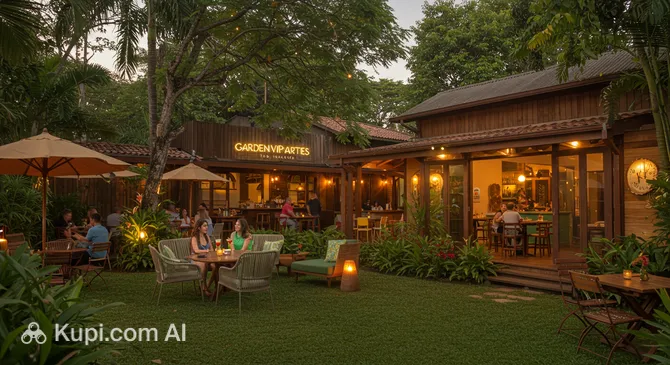
For lovers of quick and tasty food, there are places like Pizzaria Olivera, which serves dishes in a classic Brazilian style. If you are looking for a venue for a special occasion or a party, pay attention to Garden VIP Parties, which offers both food and a festive atmosphere. Fresh seafood on the beach is also a hallmark of the local cuisine.
Garden VIP Parties. Illustration.
Source: Kupi.com AI
Traveller photos:
Among drinks, the absolute leader is the caipirinha—a refreshing cocktail made from cachaça, lime, and sugar. Also popular in the heat are natural juices from exotic fruits and energetic açaí bowls. Street food culture thrives at local markets, where you can taste hot pastels (crispy fried pies) fresh from the fryer.
Travel Tips
Welcome to one of the most populous and energetic cities in the state of Rio de Janeiro! To make your introduction to São Gonçalo comfortable and leave only pleasant impressions, we have prepared some practical tips.
Clothing and Essentials: Tropical heat prevails in the city, so choose light clothing made of natural fabrics. Be sure to bring sunscreen, a hat, and comfortable walking shoes. For visiting churches, such as the São Gonçalo Parish, clothing that covers shoulders and knees is recommended.
Transport: The best way to travel between cities in the metropolitan area is by RioNiterói buses or taxi. Within the city, actively use the Uber or 99 apps; it is safer and more convenient than looking for local minibuses.
Finances: The local currency is the Brazilian Real (BRL). Cards are accepted almost everywhere, from supermarkets to small cafes, but always keep some cash for markets or tips. Be aware that international cards may not work in some older ATMs.
Health and Safety: Observe general precautions: do not display expensive equipment or jewelry in crowded places. In the evening, avoid walking in poorly lit and unfamiliar areas. Drink only bottled water.
Communication: The primary language is Portuguese. English is not widely spoken outside of major hotels, so install an offline translator or learn basic phrases like \"Obrigado\" (thank you) and \"Por favor\" (please).
Local Etiquette: Brazilians are very friendly and open. Greetings are often accompanied by a light hug or a pat on the shoulder. Be polite and smile—it's the best way to win over the locals.
What to Avoid: Avoid discussing sensitive social topics or criticizing the local way of life. Also, do not ignore local warnings about safety in certain neighborhoods.
Additional Tip: Plan your trips across the Rio-Niterói Bridge outside of peak hours (weekday mornings and evenings) to avoid wasting time in miles of traffic jams.
May your journey to São Gonçalo be a bright discovery of the real, living Brazil. Have a pleasant stay and unforgettable emotions!
Entertainment & Nightlife
Although São Gonçalo is more oriented towards daytime activities and family recreation, the city offers several interesting spots for evening leisure. The Skina Karaoke Bar is a popular choice, boasting a relaxed atmosphere where locals enjoy showing off their vocal talents to the accompaniment of Brazilian hits. It is an excellent place to feel the real rhythm of city life and make new acquaintances.
Skina Karaoke Bar. Illustration.
Source: Kupi.com AI
Traveller photos:
For those who prefer active entertainment or hanging out with friends, Top Arena SG is a great fit. This modern space often becomes a center of attraction for young people, offering opportunities for sports and socializing. An evening spent here allows you to escape the city bustle and immerse yourself in the dynamic environment of a modern Brazilian suburb.
Family travelers should check out Pula Park—an entertainment venue where you can have fun with children. During the day, the bay beaches are also popular, serving as venues for spontaneous festivals or outdoor sports competitions. Due to the proximity to the state capital, many residents also travel to Rio for major concerts and shows, returning to the quieter São Gonçalo by night.
Parks & Museums
The natural beauty of São Gonçalo is closely linked to its coastal location. The main recreational zone is the shoreline along Guanabara Bay. There are green areas here that locals use for picnics and morning jogs. Walking by the water, you can enjoy the view of the majestic Rio-Niterói Bridge, which looks like an endless thread stretching beyond the horizon.
The city's historical heritage is represented by sites that can be called "open-air museums." First and foremost is the Parish Church of São Gonçalo de Amarante, whose building itself is a valuable monument of colonial architecture. Inside the church, you can see ancient altars and paintings reflecting the religious art of past centuries.
For those seeking quiet outdoor recreation, natural areas in the former farm and fazenda districts are recommended. While there are no classic museum complexes here, the surviving historic estates allow tourists to feel the atmosphere of old Brazil. This combination of natural landscape and historical memory makes walks through São Gonçalo both educational and inspiring.
Getting Around
The public transport system in São Gonçalo is focused on providing links to other parts of the vast Rio de Janeiro metropolitan area. The main mode of transport is buses. The extensive RioNiterói route network allows for quick travel between neighboring municipalities, as well as getting to the central areas of the state via the famous bridge.
To pay for travel in the city and suburban areas, it is most convenient to use the RioCard, which can be topped up at special terminals or through an app. This significantly simplifies the process of transferring from one type of transport to another. Municipal buses also run within the city, connecting outlying residential areas with the Center and shopping hubs.
As an alternative to public transport, ride-hailing services like Uber are very popular in São Gonçalo, operating reliably and at reasonable prices. Travelers should also keep in mind that during peak hours on major highways such as the BR-101, congestion can occur, so trips to Rio or Niterói are best planned in advance.
Accommodation
Accommodation options in São Gonçalo range from modest and cozy guest houses, known in Brazil as pousadas, to modern middle-class hotels. The majority of the hotel stock is concentrated in central areas and near transport arteries, which is convenient for tourists planning frequent trips to neighboring Rio de Janeiro or Niterói.
The Centro and Jardim Catarina districts are considered the most popular for transit stays, as they offer quick access to the BR-101 highway. If your goal is a more relaxed holiday, it's worth looking for accommodation options near São Gonçalo Beach, where you can find hotels with bay views and a calmer atmosphere away from industrial zones.
Accommodation prices here are usually lower than in Rio's popular tourist quarters, making the city attractive for budget travelers. Nevertheless, during major festivals or carnivals, it is recommended to book rooms in advance through international services, as demand from locals and business travelers can be very high.
Nearby Cities
Thanks to its location in the heart of the metropolitan area, São Gonçalo serves as an excellent starting point for exploring the state. Just 15 kilometers away is the city of Niterói, famous for its Museum of Contemporary Art designed by Oscar Niemeyer and magnificent ocean beaches, which are easily reached across the bridge.
In just half an hour, you can reach the legendary Rio de Janeiro. This global metropolis offers an endless list of attractions: from Sugarloaf Mountain to the Christ the Redeemer statue. Also of interest for a day trip is the lush Santa Teresa, known for its bohemian atmosphere and historic yellow trams.
We strongly recommend not limiting yourself to just one city and using the developed network of suburban buses and trains to get to know the neighbors. The region around Guanabara Bay is full of contrasts—from quiet colonial towns to bustling tourist centers, each worthy of your attention.
Shopping & Souvenirs
Shopping in São Gonçalo is a combination of modern retail spaces and colorful local markets. One of the main centers of attraction for shopping lovers is Partage São Gonçalo. This large shopping center offers a wide selection of international and Brazilian brands, as well as a food court and cinema, making it a popular leisure destination for the whole family.
Partage São Gonçalo. Illustration.
Source: Kupi.com AI
Traveller photos:
Another significant site is Rodo Shopping, where you can find everyday goods, clothing, and accessories at affordable prices. The city's central districts also house many small shops and stalls selling local handicrafts and traditional Brazilian souvenirs, such as leather goods or natural coffee.
Don't miss the opportunity to visit the local food markets, especially those closer to the bay. There you can buy fresh tropical fruits, seafood, and homemade sweets. Shops usually operate from 9:00 to 18:00 (malls until 22:00), and Visa and Mastercard are accepted almost everywhere, although it is better to have some cash Reais for market purchases.