Support

Garanhuns

About

Nestled on the picturesque heights of the Borborema Plateau, Garanhuns rightfully earns its title as the "gem" of the state of Pernambuco. This charming city in Brazil is often called the "Brazilian Switzerland" due to its unique location at about 900 meters above sea level. An atmosphere of comfort and tranquility prevails here, and the mild, cool climate contrasts sharply with the hot tropical coast, making the city an ideal refuge for those seeking freshness and inspiration.
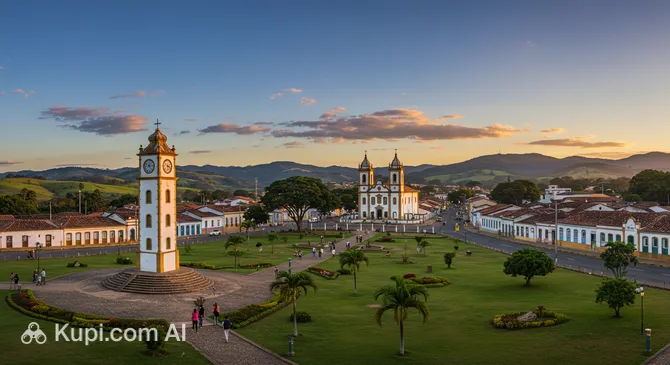
Garanhuns. Illustration.
Source: Kupi.com AI

With a population of about 137,000, Garanhuns is an important cultural and economic center of the Agreste region. The city enchants travelers with its well-kept streets, European architectural touches, and abundance of greenery. Its rich historical heritage and status as a vital trading hub have created a special environment where the traditions of the past blend harmoniously with active modern life.

The main magnets for tourists are the magnificent parks and famous events, such as the Winter Festival, which transforms the city into a massive concert venue. Garanhuns invites you to enjoy leisurely strolls through blooming gardens, appreciate the hospitality of the locals, and discover an atypical but incredibly attractive side of Brazilian culture.
Weather Overview

Due to its location at an altitude of about 900 meters above sea level, Garanhuns possesses a microclimate that is unique for this part of the country. The city's refreshing climate makes it a true cool oasis amidst the hot plains of the state of Pernambuco. There is no sweltering heat here, and average temperatures throughout the year range from a comfortable 20°C to 25°C.

Typical weather in Garanhuns is characterized by mild, warm summers, when daytime maximums reach 29°C, and noticeably cool winters. From June to August, night temperatures can drop to 17°C, requiring tourists to have warm clothing. Rainfall is unevenly distributed: the wettest period occurs in the spring and early summer months (March to June), while October and November offer dry and sunny weather.

This climate has attracted settlers for centuries and today remains one of the main factors of tourist appeal. The fresh mountain air and frequent morning mists create that "Brazilian Switzerland" atmosphere for which travelers from all over the country come here.

Average monthly temperature

Average monthly precipitation

Interesting Facts

Garanhuns is a city with a rich history and surprising characteristics. Here are a few facts to help you get to know it better:

  • The Mystery of the Name: The city's name comes from the indigenous Tupi language and translates to "black birds" (guirá-nhuns). This name serves as a reminder of the rich fauna that surrounded the first settlers in these parts.

  • Coffee Past: In the 19th century, the city became famous for coffee cultivation. This was a rare phenomenon for Northeastern Brazil but became possible specifically due to the unique microclimate of the local highlands.

  • Geographical Junction: The city occupies a unique position on the border of two natural zones—the humid forest (Zona da Mata) and the semi-arid Sertão. Historically, this made it a vital trading hub for the exchange of goods.

  • City Status: Although Garanhuns was officially founded in 1811, it only acquired municipality status in September 1879, marking a new stage in its economic growth.

How to Get There

Transportation to Garanhuns is primarily provided by an extensive network of roads connecting it with key cities in the region. Most travelers prefer to get here from the state capital, Recife, located about 230 kilometers away. More detailed information about routes can be found on the page how to get to the city.

Air communication is represented by the local Garanhuns Airport (IATA: QGP). It is located just 7 kilometers from the center, making it convenient for private and small regional flights. Nevertheless, the main international aviation hub remains Recife Airport, from where tourists often rent a car or book a transfer, completing the journey to Garanhuns in 3-4 hours.

AirportPassenger trafficDistance
Garanhuns17 0007 km
Caruaru26 00086 km
Maceio-Zumbi dos Palmares International Airport2.7 mln103 km
Joao Suassuna Airport260 000191 km
Guararapes-Gilberto Freyre International Airport9.6 mln193 km
Paulo Afonso Airport9 774201 km

Railway communication in this region is currently practically not used for passenger transport, so tourists should focus on bus services and car transport. The city's bus station receives regular flights from neighboring municipalities and major centers in Pernambuco.

Main Attractions

The main symbol of the city is undoubtedly the Flower Clock. Located in one of the central squares, it not only shows the exact time but also pleases the eye with vibrant floral arrangements that change according to the season. This is a favorite spot for photos, embodying the city's care for its flora.

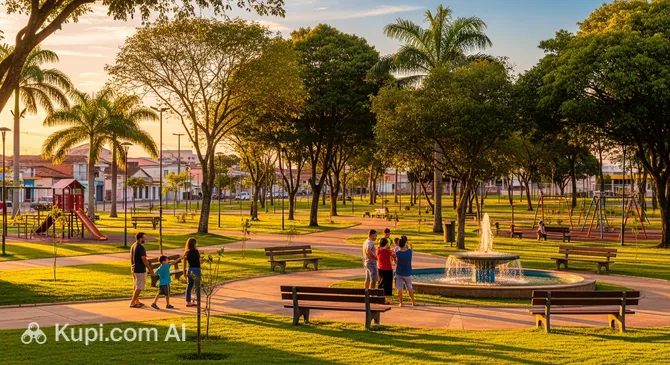
For those who appreciate outdoor relaxation, Euclides Dourado Park is a must-visit. This extensive green area features shaded alleys, sports grounds, and cozy corners for picnics. The park is considered the "lungs" of the city, offering ideal conditions for morning jogs or quiet contemplation of nature.

Euclides Dourado Park. Illustration.
Source: Kupi.com AI

Traveler photos:

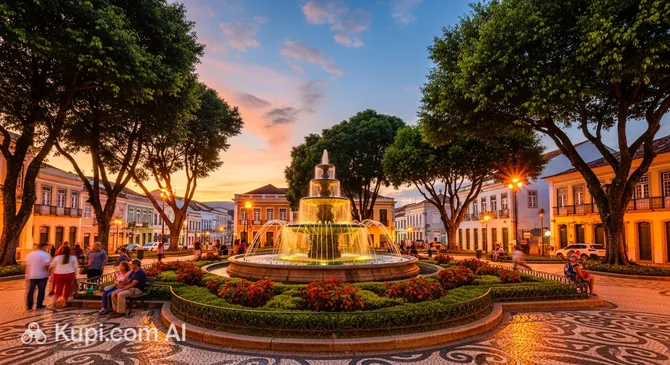
Another iconic spot is Souto Filho Square (Luminous Fountain). In the evening, the square is transformed by the play of light and water, creating a romantic and festive atmosphere. This is the cultural heart of the city, where locals often meet and city events are held.

Souto Filho Square (Fountain of Lights). Illustration.
Source: Kupi.com AI

Traveler photos:

Equally interesting are the religious monuments reflecting Portuguese colonial influence. Ancient chapels and churches scattered across the hills hold the stories of the early settlers and impress with their austere and majestic architecture, characteristic of the Agreste region's interior.

Local Cuisine

The culinary scene in Garanhuns is a vibrant reflection of the rich agricultural traditions of Northeastern Brazil. Thanks to the city's historical role as a producer of coffee, corn, and beans, local cuisine is based on fresh products from the Agreste region. Be sure to try classic dishes such as carne-de-sol (sun-dried meat) served with beans and cassava.

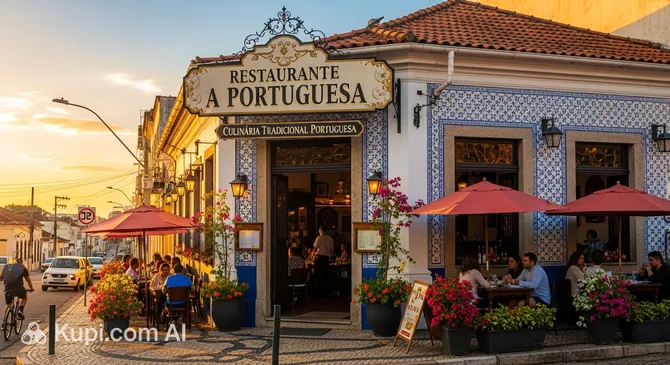
You can immerse yourself in the authentic atmosphere at cozy local establishments. For example, A Portuguesa Restaurant offers exquisite dishes inspired by European heritage combined with local flavor. For those who value a traditional approach and quality service, O Relojoeiro Restaurant, serving popular regional cuisine, is an excellent choice.

A Portuguesa Restaurant. Illustration.
Source: Kupi.com AI

Traveler photos:

The food culture in the city is excellently developed: from small street food cafes to family restaurants. In local markets, you can always find fresh tropical fruits and try regional drinks. Don't miss the opportunity to taste the local coffee—its unique flavor is due to the special microclimate of the Borborema Plateau, which gives the beans a particular smoothness and aroma.

An evening dinner in Garanhuns is not just a meal, but a true social ritual. Residents love spending time on outdoor terraces, enjoying the cool mountain air and live music. A gastronomic journey through this city will leave you with a sense of warmth and hospitality inherent to the true Brazilian Northeast.

Travel Tips

Preparing for your trip to Garanhuns will be easier and more pleasant if you use our practical tips for travelers.

  1. Clothing and Essentials: Since the city is at an altitude, it is significantly cooler here than in other parts of the state. Be sure to bring a light jacket or sweater for the evenings. For walking in the hilly terrain, you will need comfortable closed shoes.
  2. Transport: It is convenient to move around the city on foot or by taxi. For trips to neighboring towns, it's better to rent a car—this will give you the freedom to move along the scenic roads of the Agreste region.
  3. Finances: The local currency is the Brazilian real. Cards are accepted in most hotels and restaurants, but for visiting markets and paying for small services, it's better to have cash with you. The tipping culture is standard: restaurants usually include 10% in the bill.
  4. Health and Safety: Garanhuns is considered a relatively safe city, but basic precautions (not leaving things unattended) are mandatory. Pharmacies are easy to find in the central district.
  5. Communication: The main language is Portuguese. English is not widely spoken in the interior, so it's worth learning a few basic phrases or installing an offline translator. Free Wi-Fi is available in many hotels and cafes.
  6. Local Etiquette: Residents are very friendly and appreciate a polite greeting. When entering a shop or restaurant, it's customary to say hello (Bom dia, Boa tarde).
  7. What to Avoid: You should avoid discussing sensitive social topics and showing excessive haste—a relaxed pace of life is valued here. Also, avoid walking in sparsely populated outlying areas late at night.
  8. Extra Tip: Try to time your visit to coincide with one of the local festivals. The holiday atmosphere in Garanhuns is an unforgettable cultural experience that reveals the city's brightest side.

May your journey to this "mountain oasis" be filled with bright discoveries and pleasant encounters. Enjoy your stay!

Entertainment & Nightlife

The cultural life of Garanhuns is surprisingly rich for a regional center. The main focus here is on large-scale events: festivals, concerts, and fairs that are famous throughout the state. The most significant event is the annual Winter Festival (Festival de Inverno), when thousands of people take to the streets to enjoy music, theater, and dance under the open sky.

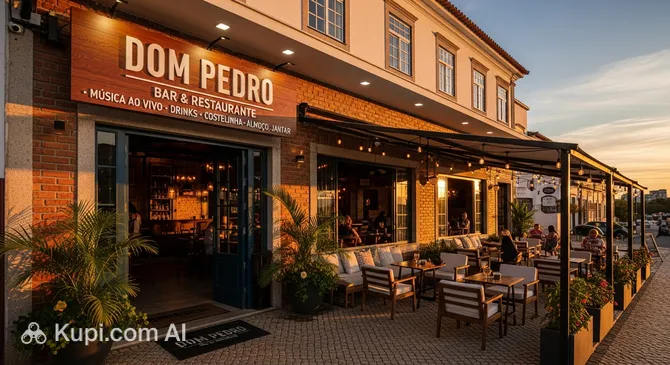
Evening leisure can be continued in local venues offering live music and a great atmosphere. For instance, Dom Pedro Bar and Restaurant is famous for its drinks, delicious ribs, and live performances, creating the perfect backdrop for a dinner in good company. Here you can feel the true rhythm of the Brazilian night while tasting signature cocktails.

Dom Pedro Bar & Restaurant. Illustration.
Source: Kupi.com AI

Traveler photos:

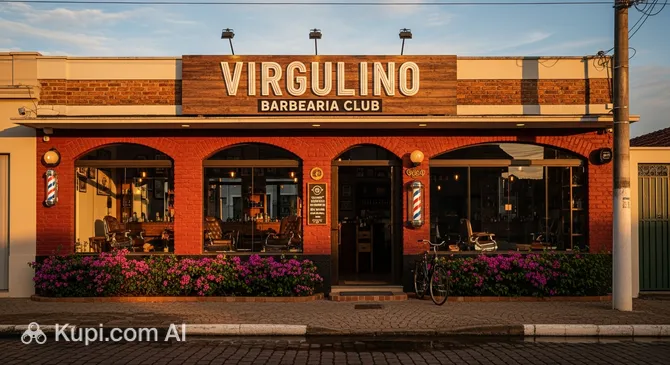
For those looking for a more informal and stylish setting, Virgulino Barbearia Club is open. This modern space combines bar culture with club aesthetics, attracting the city's trendy crowd. Nightlife is mainly concentrated in the central blocks, where venues stay open late and the streets remain safe for walking.

Virgulino Barbearia Club. Illustration.
Source: Kupi.com AI

Traveler photos:

Getting between bars and restaurants at night is most convenient by taxi or mobile apps—it is reliable and affordable. Garanhuns offers entertainment for every taste: from cozy, intimate evenings with folk music to energetic dance floors highlighting the hospitality of Northeastern Brazil.

Parks & Museums

Garanhuns is rightfully proud of its green spaces, which create the unique image of the "city of flowers." An abundance of parks and squares makes it one of the most eco-friendly places in the region. Travelers should take time for leisurely walks among the blooming gardens, where the air is always fresh thanks to the location on the plateau.

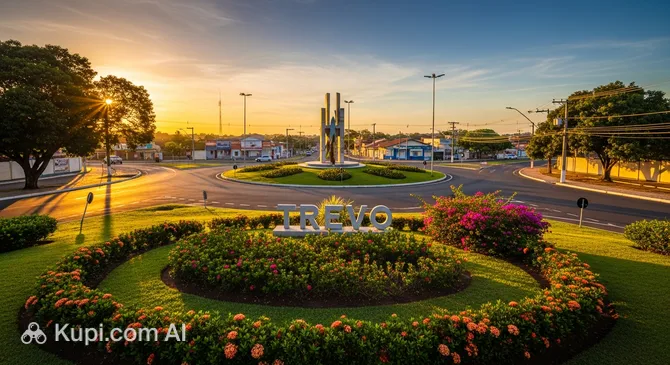
One of the key symbols of the city is the Garanhuns Entrance Monument. This majestic structure greets guests at the entrance to the city, symbolizing its hospitality and rich history. The monument often becomes the first point on a tourist route, allowing visitors to immediately feel the monumental yet elegant style of local architecture.

Garanhuns Gateway Monument. Illustration.
Source: Kupi.com AI

Traveler photos:

Although there are not many classical museums in the city, its architectural heritage itself represents an open-air museum. Ancient buildings with European touches and majestic churches built in Portuguese colonial traditions tell the story of the region's cultural development. A walk through the historical quarters of Garanhuns is the best immersion into the past, where every facade preserves the memory of the era of coffee planters and early settlers.

Getting Around

The transportation system in Garanhuns is primarily oriented towards the needs of residents and tourists who prefer traveling by car. The main types of public transport here are buses and minibuses, which connect the central districts with the outskirts. The route network is quite simple, and payment is usually made in cash to the driver or conductor, so it is always useful to have small change with you.

For maximum comfort, tourists are recommended to use taxi services or popular mobile ride-hailing apps. This is the most reliable way to move between parks, restaurants, and hotels, especially in the evening. Car rental is also an excellent alternative if you plan to explore not only Garanhuns itself but also the picturesque surroundings of the Borborema Plateau.

In the central part of the city, many attractions, such as the Flower Clock and main squares, are within walking distance of each other. Walking is the best way to enjoy the cool mountain climate and examine the details of the local architecture. There are no specific types of transport like a subway or trams in the city, which emphasizes its calm and measured pace of life.

Accommodation

Garanhuns offers a variety of accommodation options capable of meeting the needs of any traveler. Thanks to the city's popularity as a tourist center, you can find cozy guest houses (pousadas) in colonial style as well as modern mid-range hotels. Accommodation prices are generally affordable, though during major cultural events like the Winter Festival, costs can increase significantly.

The city center is considered the most convenient area to stay. By staying here, you will be within walking distance of the main attractions, parks, and best restaurants. Additionally, the central location provides easy access to transport hubs and shopping zones. In the surrounding areas, there are also countryside hotels, which are ideal for those who want to enjoy peace and panoramic views of the hills.

To ensure a comfortable trip, it is recommended to book accommodation in advance, especially if your visit coincides with holidays or festivals. Popular booking systems offer a wide selection of apartments and rooms. Note the availability of air conditioners or heaters—although the climate is mild, night temperatures at an altitude of 900 meters can be quite cool, which is a highlight of Garanhuns.

Nearby Cities

The city of Garanhuns is an excellent starting point for exploring the central regions of the state of Pernambuco. Its strategic position allows you to reach small but colorful municipalities in a short time, each with its own unique character and rural charm.

Very close by are towns like São João and Brejão. A trip to these places will allow you to see life in the Brazilian countryside, enjoy pastoral landscapes, and get acquainted with local crafts. Also noteworthy are Caetés and Paranatama, with the drive taking no more than half an hour.

CityPopulationDistance
Sao Joao21 31214 km
Brejao8 84417 km
Paranatama11 00118 km
Caetes26 57719 km
Jucati10 60420 km

For those ready for a longer journey, the way toward the capital, Recife, is always open, but it is the small towns around Garanhuns that allow you to feel the true soul of the Agreste region. Exploring these surroundings will give you many impressions of unique landscapes where humid forests meet arid plains.

Shopping & Souvenirs

Shopping in Garanhuns is primarily about discovering unique items by local artisans and products from the Agreste region. The city is not oversaturated with giant shopping malls, but instead, trade flourishes in local markets and small shops. The central streets of the city, such as the areas near the town hall and main squares, are the main commercial arteries where you can find clothes, shoes, and everyday goods.

Special attention should be paid to the local fairs. Here you will find authentic souvenirs: ceramics, embroidery, handmade leather accessories, and woven baskets. During festival periods, the fairs grow, offering even more unique decorative items and folk crafts. As a tasty souvenir from Garanhuns, be sure to bring back local coffee, honey, or traditional guava sweets (goiabada).

Shops in the city usually operate from 8:00 AM to 6:00 PM on weekdays and close earlier on Saturdays, around noon. Most retail outlets accept international bank cards, but in small markets and souvenir shops, it's better to have cash in the local currency (Brazilian reals). The Tax Free system for foreign tourists is not very common in this region, so expect to pay the amounts indicated on the price tags.

Reached the end of the page?

That means the route is fully explored