Support

Urban Park

About

The City Park in Santa Cruz de la Sierra is a true green oasis in one of Bolivia's largest and most dynamically developing cities. It is a popular spot for both locals and visitors, offering a pleasant break from the urban bustle and a chance to enjoy nature right in the heart of the metropolis.
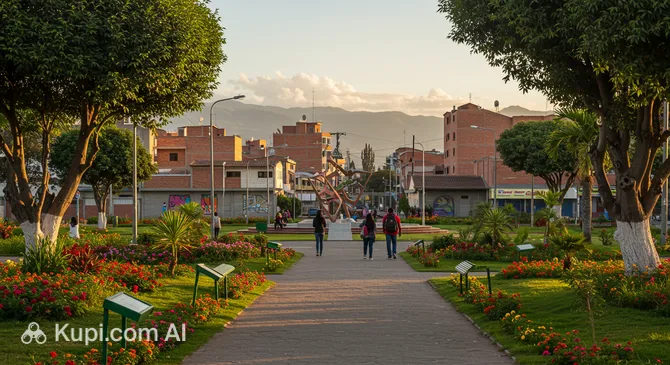
Urban Park. Illustration.
Source: Kupi.com AI

Traveller photos:

The city of Santa Cruz de la Sierra itself is located in eastern Bolivia, near the picturesque foothills of the Cordillera, and is known for its mild climate and the abundance of natural beauty in its surroundings. The City Park is an important part of this green infrastructure, serving as the city's "lungs" and providing a space for leisure and recreation.

Visitors to the City Park can expect well-maintained paths, shaded resting spots, and potentially playgrounds or other amenities typical of urban park zones. It is an excellent place for a leisurely stroll, a morning jog, or simply sitting on a bench to watch the daily life of the city often called the "gateway to Brazil."

Contacts

Since the City Park is an open public space, there are usually no specific contact phone numbers for visitors. You can find up-to-date information regarding opening hours or events on the tourism portals of Santa Cruz de la Sierra or directly on information boards within the park itself. Reaching the park is easy: it is located within the city and is accessible by public transport or taxi.

How to contactContact
Address6R4J+5VQ, Av. Argentina, Santa Cruz de la Sierra, Bolivia
Phone+591 71338825

What to Do

At the City Park in Santa Cruz de la Sierra, visitors can primarily enjoy relaxing in nature. It is a great place for leisurely walks along green pathways, where you can escape the city noise and admire the surrounding vegetation. The park offers an opportunity to discover the local flora characteristic of this region of Bolivia, making it not just a place for rest, but a small natural enclave in the center of the city.

Here, you can have a picnic on the grass, read a book in the shade of the trees, or simply observe the everyday life of the city's residents. While specific information about the park's infrastructure may be limited, such green zones often provide spaces for family recreation, perhaps with playgrounds or areas for quiet outdoor games. The City Park also serves as an important meeting and social hub, where you can experience the more relaxed pace of life in Santa Cruz de la Sierra.

Getting There

The City Park is located within the city limits of Santa Cruz de la Sierra, making it quite accessible for visitors. As one of Bolivia's largest cities and an important transport hub, Santa Cruz de la Sierra offers several ways to reach its attractions, including this green oasis.

The primary ways to reach the City Park are local public transport and taxis. In Santa Cruz de la Sierra, there is generally a network of bus routes that pass near or directly to the park. It is best to check specific routes and bus numbers with locals, at tourist information centers, or at public transport stops. This is the most economical way to get around the city.

A more comfortable and faster alternative is taking a taxi. You can easily find a taxi in any part of the city, especially in the center or near hotels. The ride from the center of Santa Cruz de la Sierra to the City Park should not take long, depending on traffic conditions. It is recommended to agree on the fare in advance or ensure the driver uses a taximeter, if that is the local practice.

Nearest city: Santa Cruz de la Sierra

History & Facts

While the City Park is a vital element of modern Santa Cruz de la Sierra, the city itself possesses a rich and remarkable history that has shaped its current identity. The founding of Santa Cruz de la Sierra took place on February 26, 1560 (some sources cite 1561), thanks to the efforts of Ñuflo de Chaves. Interestingly, the city was originally established about 220 kilometers east of its current location, on the banks of the Piraí River.

The city's early history was full of challenges. By the end of the 16th century, it had to be relocated due to persistent attacks from local indigenous tribes and devastating floods. This move was complex and occurred in stages: some residents initially moved to the settlement of San Lorenzo. Then, in 1595, San Lorenzo itself was moved to the site where Santa Cruz de la Sierra stands today. The final unification and adoption of the name Santa Cruz de la Sierra occurred by 1622, securing the city in its current, safer, and more strategically advantageous position.

Once settled in its new location, Santa Cruz de la Sierra flourished, particularly until the late 18th century, supplying other regions of Bolivia with cotton, rice, sugar, and vegetables. A new era of active development began in the mid-20th century when roads were built connecting the city with other Bolivian centers and neighboring Brazil. This provided a powerful boost to agriculture and overall economic growth. It was during this period of rapid urbanization and expansion that the need for public green spaces arose, leading to the creation of the City Park, which is now an integral part of the urban environment and a popular recreation spot.

Time Needed

How much time to set aside for a visit to the City Park in Santa Cruz de la Sierra largely depends on your plans and interests. For a general overview, a leisurely stroll along its main paths, and simply to enjoy the greenery, 1-2 hours is usually enough. During this time, you can get a general impression of this pleasant natural corner in the heart of the city and enjoy a brief rest from the bustle.

If you are planning a more relaxed experience—for example, a small picnic on the grass, reading a book in a shaded spot, or if you are traveling with children and want to use the playgrounds—it is worth allocating 2-3 hours, or perhaps half a day. The duration of your visit may also increase if there are seasonal events, special themed zones, or if you simply wish to explore every corner in more detail.

Ultimately, the City Park is a place designed for relaxation and enjoying the fresh air. Therefore, the length of your stay will depend on how deeply you want to immerse yourself in its calm atmosphere. Some may limit themselves to a quick, refreshing walk, while others will happily spend several hours here, enjoying the peace and greenery of this oasis in Santa Cruz de la Sierra.

Working Hours

The City Park in Santa Cruz de la Sierra is generally a public space, and entry is likely free and does not require advance booking. Usually, such parks are open to visitors year-round, from early morning until late evening, allowing you to enjoy walks and relaxation at any convenient time. While exact opening hours may vary, parks are most often accessible throughout daylight hours.

Since specific information on the City Park's operating hours is not provided, it is recommended to confirm this locally. You can check the information boards at the park entrance, visit the official tourism website of Santa Cruz de la Sierra, or contact local tourist information centers. This will help you get the most up-to-date information, especially if the park features any facilities with restricted access or hosts special events.

8:00 – 21:30

Nearby

Visiting the City Park in Santa Cruz de la Sierra is a wonderful opportunity to enjoy nature and take a break from the city's hustle and bustle. However, to make your trip even more rewarding, it is worth paying attention to the attractions located nearby. Exploring the park's surroundings will allow you to delve deeper into the culture and atmosphere of this vibrant Bolivian city.

Often, near iconic spots like the City Park, you can discover other interesting sites: cozy squares, historic buildings, museums, or cultural centers. By expanding your itinerary, you will gain a more complete understanding of Santa Cruz de la Sierra and its multifaceted life.

Here are some attractions located near the City Park that might be of interest for a visit:

NameDistance
Blacutt Square1.4 km
Noel Kempff Mercado Natural History Museum1.5 km
Melchor Pinto House Cultural Center1.8 km
Beni Altillo Museum1.9 km
Metropolitan Cathedral Basilica of St. Lawrence1.9 km
Manzana Uno Art Space1.9 km
Raúl Otero Reiche Municipal House of Culture2 km

Reached the bottom of the page?

Looks like you know this route inside out