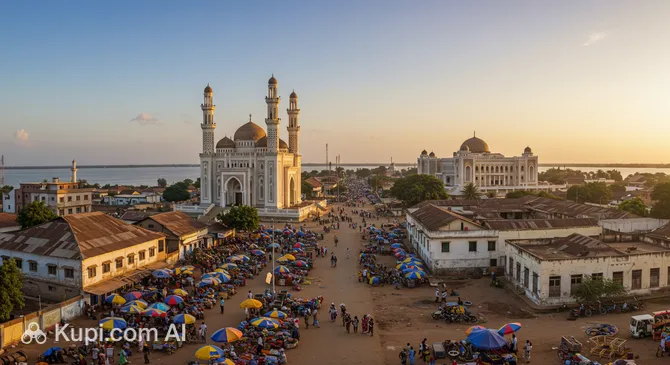
Porto-Novo is the official capital of Benin, preserving a leisurely pace of life and the charm of the colonial era. Located on the shores of a picturesque lagoon in the Gulf of Guinea, this city is a fascinating blend of African traditions and European heritage. Founded by the Gun people as Hogbonou, the city later received its current name from Portuguese sailors, who were reminded of their native Porto by the local landscape.
The city's geographic position in the southeastern part of the country makes it an important cultural and administrative center. The capital's population is around 300,000 people, and the atmosphere here is significantly calmer than in the country's economic hub, Cotonou. Strolling through Porto-Novo, one can feel the breath of a rich past, embodied in ancient buildings and narrow, shady streets.
Porto-Novo. Illustration.
Source: Kupi.com AI
The city's main features are its unique architecture, including the ruins of African palaces and bright colonial houses, as well as the Akron district — one of the oldest settlements in the region. Tourists are drawn to the floral alleys and the opportunity to see how Yoruba, Portuguese, and French cultures intertwine. A visit to Porto-Novo is an ideal solution for those seeking authentic West Africa with its deep historical context.
Weather Overview
The weather in Porto-Novo is determined by the typical tropical climate of West Africa. Throughout the year, the city experiences two distinct seasons: a dry period from November to March and a rainy season that lasts from April to October. The proximity to the lagoon and the Atlantic Ocean results in consistently high humidity, which is felt throughout the year.
The temperature regime in the capital remains steady: average daytime indicators usually fluctuate between +28°C and +32°C. March is traditionally considered the hottest month, when the air can warm up to +33°C, while August is the most comfortable for visiting, with an average temperature of about +25.6°C. The detailed city's climate includes frequent but brief tropical downpours in June and October.
Travelers are recommended to plan their visit for the winter months (December and January), when rains are extremely rare and the number of dry days is at its maximum. During this time, the most favorable weather is established for walking and sightseeing, although one should be prepared for the light haze sometimes brought by the Harmattan wind from the Sahara Desert.
Average monthly temperature
Average monthly precipitation
Interesting Facts
Porto-Novo is a city with a multi-layered history, hiding many surprising details behind the facades of its colonial buildings. Here are a few facts that will help you look at the capital of Benin from a new perspective:
Three names for one city: Before becoming Porto-Novo, the settlement was known as Hogbonou and Ajache, serving as the capital of the powerful Yoruba kingdom.
The Portuguese trace: The city received its modern name in 1730 from the Portuguese. They named it "New Port" because the landscapes reminded them of their home city of Porto.
Returning home: In the late 19th century, after the abolition of slavery in Brazil, many former captives returned specifically here, bringing with them a unique architectural style and cultural customs that are still visible in the city's appearance.
French heritage: From 1900, Porto-Novo officially became the capital of the French colony of Dahomey, retaining this high status even after the country gained independence.
How to Get There
The transport accessibility of Porto-Novo largely depends on its proximity to the country's largest city. The main air gateway is located 35 kilometers from the capital. You can find out more about how to get to Porto-Novo by exploring transfer options from neighboring regions.
The main aviation hub for tourists is Cadjehoun International Airport (BQO), which receives flights from Europe and other African countries. The journey from the airport to the center of Porto-Novo by taxi usually takes 30 to 45 minutes on a high-quality road. This is the most comfortable and fastest way to start your journey.
Railway communication in the region is poorly developed, so the main role in land transport is played by buses and shared taxis connecting the capital with Cotonou. A trip from the economic capital takes no more than an hour, and regular services make it easy to plan your movements. Porto-Novo also has a large port that handles both cargo and cruise ships.
Station
Passenger traffic
Distance
Lagos Terminus Railway Station
5
84 km
Lagos Terminus Railway Station
5
84 km
Train Station Ibadan
1
172 km
Main Attractions
The main pride of Porto-Novo is its historic center, where a remarkable blend of African, European, and Arabic architecture has been preserved. Walking through the Akron quarter, you can see the remains of colonial-era fortifications and ruins of ancient palaces that once served as residences for local rulers. Special attention should be paid to the Portuguese Cathedral, whose bright facade has become a true symbol of the city and a reminder of the age of discovery.
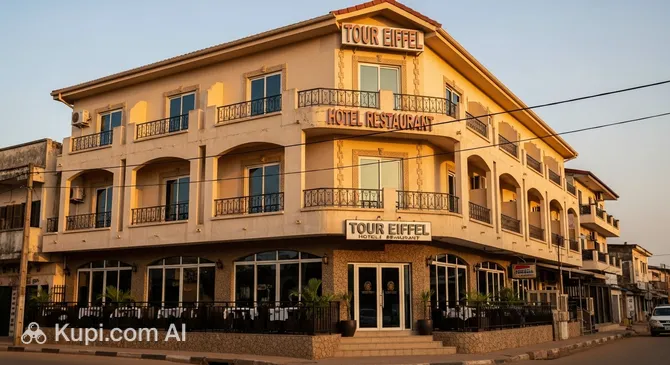
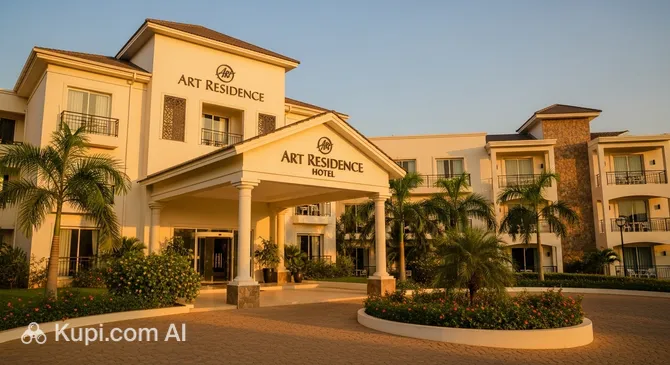
For those who want to enjoy an atmosphere of hospitality and quality service, the Tour Eiffel Hotel Restaurant is an interesting place to visit. This establishment attracts visitors not only with its cuisine but also with its architectural style, echoing the overall colonial appearance of the capital. Tourists are also recommended to take note of the Hotel Art Residence, which blends harmoniously into the city's cultural landscape, offering guests an immersion into local aesthetics.
Tour Eiffel Hotel Restaurant. Illustration.
Source: Kupi.com AI
Traveller photos:
The lagoon shoreline is another important attraction, offering peaceful views and the chance to observe port life. Monuments and temples scattered throughout the city emphasize Porto-Novo's status as one of the oldest cultural hubs in West Africa. Exploring these sites allows for a better understanding of the region's complex and multifaceted history.
Local Cuisine
The culinary traditions of Porto-Novo are an exquisite mix of West African flavors with a noticeable influence from Portuguese and French gastronomy. The basis of the local diet consists of seafood caught in the lagoon, as well as yams, cassava, and tropical fruits. A characteristic feature is the use of palm oil, which gives dishes a rich golden color and a special aroma.
Among the establishments where you can get acquainted with local cuisine in a comfortable setting, the Tour Eiffel Hotel Restaurant stands out. Here they serve both traditional African soups and fried fish, as well as fusion-style dishes. Street food in the city's markets also deserves attention: there you can try freshly prepared cornmeal snacks and flavorful grilled meat with local spices.
Tour Eiffel Hotel Restaurant. Illustration.
Source: Kupi.com AI
Traveller photos:
Among drinks in Porto-Novo, palm wine and refreshing juices from exotic fruits are particularly popular. The food culture here is closely linked to socialization: locals love spending time in small cafes in the historic center, enjoying food and conversation. The city's gastronomic scene attracts with its honesty and use of only fresh, natural ingredients.
Travel Tips
Preparing for a trip to the capital of Benin requires attention to detail to ensure your journey is comfortable and leaves only pleasant impressions. Here are some practical tips for visiting Porto-Novo:
Clothing and Essentials: Choose light clothing made from natural fabrics, as it is hot and humid in the city. Don't forget comfortable shoes for walking through the old quarters and sunscreen. When visiting temples or palaces, it is worth preferring modest attire that covers shoulders and knees.
Transport: The primary way to get around is moto-taxis (zémidjans). Always agree on the fare in advance. For intercity trips, use shared taxis departing from major markets.
Finances: The official currency is the CFA franc (XOF). Cards are accepted very rarely, so always have a sufficient supply of cash with you. It is better to exchange money at banks or official points in Cotonou before arriving in the capital.
Health and Safety: Drink only bottled water. Use mosquito repellents and consult a doctor in advance regarding vaccinations and malaria prevention. Overall, the city is safe, but avoid walking in unfamiliar port areas after dark.
Communication: The official language is French; it will help you in communicating with the administration and in restaurants. Fon and Yoruba are heard in the markets. A few basic phrases in French will significantly simplify contact with local residents.
Local Etiquette: Greeting is an important ritual. Always say hello to a driver or vendor before asking a question. Politeness and a smile open many doors in Benin.
What to Avoid: Do not photograph government facilities or people without their prior consent. Do not categorically refuse offered food — it is better to thank them politely.
Best Time: Plan your visit for the period from November to March, when the dry season is on and air humidity is minimal.
Porto-Novo will welcome you with its warmth and authenticity if you show respect for its traditions and are ready for the leisurely African rhythm of life.
Entertainment & Nightlife
Entertainment in Porto-Novo is of a quiet and cultural nature, significantly different from noisy metropolises. The city's evening life is centered around cozy bars and restaurants in the historic center and coastal areas. Live music is often heard here, and locals organize improvised dance performances, filling the air with the rhythms of traditional instruments.
For those looking for a comfortable place for dinner with a pleasant atmosphere, the Tour Eiffel Hotel Restaurant is an excellent choice. This establishment is a popular gathering point for both tourists and locals, offering a relaxed break after a day of sightseeing. Travelers also enjoy spending time at the Hotel Art Residence, which often hosts intimate cultural events.
Art Residence Hotel. Illustration.
Source: Kupi.com AI
Traveller photos:
Daytime entertainment includes lagoon boat trips and visits to local markets, which turn into social hubs by evening. While the city is not famous for massive nightclubs with dress codes, its authentic bars in the port area offer a unique opportunity to experience local color. For safe nighttime travel, it is recommended to use the services of official taxis.
Parks & Museums
Porto-Novo's cultural richness is reflected in its museums, which are considered some of the best in the country. The city's Ethnographic Museum features a unique collection of Yoruba masks and artifacts telling the story of the lifestyle and beliefs of local peoples. Another important site is the Da Silva Museum, located in an old mansion, where the history of the return of Afro-Brazilians is presented through personal items and photographs of that era.
For those who prefer outdoor recreation, the city offers walks along the picturesque lagoon. Green zones and flower-lined alleys decorating the streets of Porto-Novo create a pleasant atmosphere for walking routes. The ancient palaces of rulers are often surrounded by gardens, which today serve as oases of silence in the middle of the administrative capital.
An interesting object combining architecture and history is the former colonial mosque, rebuilt from a Christian church, which emphasizes the religious tolerance and versatility of the city. Most museums and galleries are located within walking distance of each other in the historic center, making exploring Porto-Novo's cultural heritage a convenient and exciting activity.
Getting Around
The public transport system in Porto-Novo is adapted to the characteristics of its narrow historical streets and leisurely pace of life. The most popular and maneuverable means of transport here are zémidjans — motorcycle taxis. They are easily recognizable by the drivers' yellow vests; it is an ideal way to quickly get to any point in the city, but the price should be agreed upon before starting the trip.
To move between districts or for trips to neighboring cities like Cotonou, locals use bush taxis — minivans that depart as they fill up. This is a very cheap, though not always the most comfortable, form of transport. Regular taxis also operate in the city, which are more convenient to order for long trips or if you have heavy luggage.
The central part of Porto-Novo is best explored on foot or by bicycle, enjoying the architectural details and flower-lined alleys. There are practically no specialized transport apps in the city, so everything is decided through personal communication with the driver. Overall, the city's transport network is intuitive, and the friendliness of local carriers helps tourists easily find their way around.
Accommodation
Accommodation in Porto-Novo is mainly represented by cozy mid-range hotels and authentic guesthouses, many of which are located in colonial-era buildings. History buffs prefer staying in the Akron district to fully immerse themselves in the atmosphere of the old city, while business travelers choose modern options closer to the government quarters.
One of the most notable places to stay is the Hotel Art Residence. This establishment offers guests not only comfortable rooms but also stylish decor that emphasizes the capital's cultural status. Boutique hotels like this are in demand due to their personalized approach and convenient location relative to the main attractions.
Art Residence Hotel. Illustration.
Source: Kupi.com AI
Traveller photos:
When planning a trip, it's worth considering that during the peak tourist season (November to March), the best housing options are booked quickly, so it's recommended to take care of your search in advance. The price range is quite wide: from very budget local pensions to more expensive hotels with swimming pools and air conditioning. Most hotels are concentrated in the center and along the lagoon, providing guests with pleasant water views.
Nearby Cities
The capital of Benin serves as an excellent starting point for exploring the southeastern part of the country and neighboring regions. Thanks to its convenient location, you can easily make several fascinating day trips from Porto-Novo to see the diversity of local nature and lifestyle.
Just 7 kilometers away is the city of Adjarra, known for its craft traditions and picturesque markets. It's also worth paying attention to Dangbo, located 14 kilometers away, where you can enjoy views of the Ouémé River valley. For those looking for a larger scale, Cotonou lies 30 kilometers to the west — the economic heart of the country with its massive bazaars and beaches.
City
Population
Distance
Adjarra
97,424
7 km
Misserete
127,249
10 km
Avrankou
128,050
10 km
Ekpe
34,917
12 km
Dangbo
66,055
14 km
Exploring the surroundings of Porto-Novo will allow you to see the real Benin: from quiet coastal settlements to bustling trade hubs. The proximity to the border with Nigeria also adds a special flavor to the region, making every trip outside the city a small adventure.
Shopping & Souvenirs
Shopping in Porto-Novo is primarily about visiting vibrant and bustling traditional markets where you can find everything from the freshest produce to unique works of art. The main goods here are hand-painted batik fabrics and traditional clothing reflecting the cultural codes of the Gun and Yoruba peoples.
Market stalls in the city center are often located in colonial-era buildings, creating a unique backdrop for shopping. For those seeking comfortable conditions, there are several modern sites in the capital, including the Tour Eiffel Hotel Restaurant, which may house small souvenir shops with products from local craftsmen. As a memorable gift, it's worth bringing back wooden masks, bronze figurines, or bottles of natural shea butter.
Shops usually operate from early morning until sunset, with a siesta break during the hottest hours. It's important to remember that polite bargaining is expected at markets — it's not just a way to lower the price, but also part of the local etiquette. Payment in most retail outlets is made in cash in CFA francs, as credit card terminals are only found in large establishments and hotels.