Support

Place Saint-Lambert

About

Place Saint-Lambert is not just the central square of Liège, but the true historical and cultural heart of the city. Located in the very center of Belgium, it serves as an important administrative hub and a popular spot for strolls for both tourists and locals. It is the perfect starting point for exploring the city's rich heritage.
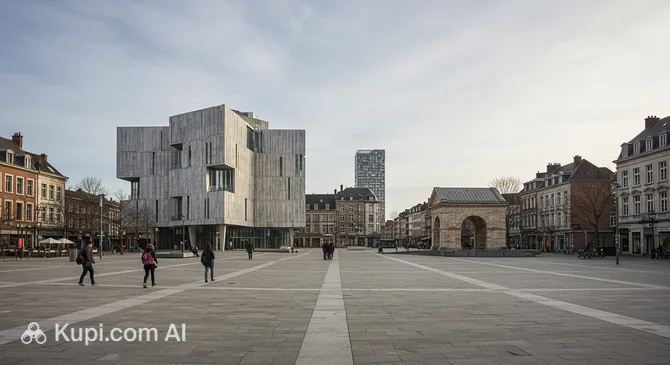
Place Saint-Lambert. Illustration.
Source: Kupi.com AI

Traveller photos:

The main feature of this place is its rich past. For centuries, the majestic Gothic Cathedral of Saint Lambert, the spiritual center of the Prince-Bishopric of Liège, towered over this spot. The cathedral was destroyed at the end of the 18th century during the Liège Revolution, and today its former grandeur is recalled by archaeological excavations and special markings on the square that trace the contours of its foundations.

Today, the architectural centerpiece of the square is the Prince-Bishops' Palace—a monumental building whose current French Classical style took shape in the 18th century. Nowadays, it houses provincial government offices and the Palace of Justice. Its impressive facade and courtyards are open to visitors and are a fine example of secular architecture.

Place Saint-Lambert is a lively space that often hosts fairs, concerts, and other public events. It seamlessly flows into the neighboring Market Square (Place du Marché), where other iconic landmarks are located, including the City Hall and the famous Perron fountain, which symbolizes the city's freedom and independence.

Contacts

Place Saint-Lambert is the central public space of Liège, so it does not have its own contact phone number or website. For up-to-date information on events taking place on the square or the operating hours of adjacent buildings, such as the Prince-Bishops' Palace, it is best to check the city's official tourism portals. The square is a major transport hub, making it easily accessible from anywhere in the city.

How to contactContact
AddressPl. Saint-Lambert, 4000 Liège, Belgium
Websiteen.liegetourisme.be

What to Do

Place Saint-Lambert is not just a central point in Liège, but the true heart of its history and culture. The main landmark here is the majestic Prince-Bishops' Palace. While walking across the square, you can spend time admiring its lavish facade, and if given the chance, step inside to appreciate the impressive decor with tapestries, rugs, and fireplaces preserved from the 16th–18th centuries.

This place holds the memory of the past. Pay attention to the columns set around the perimeter of the square—they mark the contours of the grand Gothic cathedral that once stood here before being destroyed many years ago. It is a kind of open-air monument that allows you to imagine the scale of the lost building. After immersing yourself in history, it's nice to relax at one of the many cafes and restaurants. Be sure to try the famous Liège waffles, which are considered one of the city's primary gastronomic symbols.

Near Place Saint-Lambert lies another iconic spot—Place du Marché with the Perron fountain, symbolizing municipal freedoms. Additionally, Place Saint-Lambert often becomes the stage for various cultural events, fairs, and festivals, making it a lively and dynamic center where history meets modernity.

Getting There

Place Saint-Lambert is located in the very heart of Liège, making it one of the city's most accessible attractions. Thanks to its central position, it is easy to reach both on foot and by public transport. Liège has an extensive bus network, with many routes passing directly through the square or having stops within walking distance. This is the most convenient and fastest way to reach the center from outlying districts.

For travelers arriving in Liège by train, the journey to the square is also straightforward. The city is a major railway hub in Belgium, receiving trains from Brussels, Antwerp, and other European capitals. From the main station, Liège-Guillemins, you can reach Place Saint-Lambert by city bus in about 10–15 minutes. If you prefer walking, the route takes about 25–30 minutes and allows you to better appreciate the city's architecture.

If you are traveling by car, please note that the historic city center has dense buildings and limited parking. While there are paid underground parking lots near the square, they can be full during peak hours. To avoid traffic jams and parking difficulties, it is recommended to leave your car at one of the park-and-ride lots at the city entrance and continue by public transport. This will not only save you time and stress but also allow you to fully enjoy the atmosphere of the ancient streets.

Nearest city: Liege

History & Facts

Place Saint-Lambert is not just the central square of Liège, but its historical heart and cradle. It was named in honor of Saint Lambert, Bishop of Tongeren-Maastricht, who was martyred on this very spot around 705 AD. Initially, a small chapel was built in memory of the saint, which over time grew into an important pilgrimage center, defining the spiritual significance of this site for many centuries to come.

For centuries, the square's main landmark was the magnificent Gothic Cathedral of Saint Lambert (Notre-Dame-et-Saint-Lambert). It was one of the largest Gothic structures in Europe, serving not only as a cathedral but also as a symbol of the immense power of the Prince-Bishops of Liège. However, its fate was tragic. At the end of the 18th century, during the Liège Revolution, the cathedral was demolished to its foundations as a symbol of the hated ecclesiastical authority. The demolition began in 1795 and lasted for several years, permanently changing the city's appearance.

Today, the cathedral's former grandeur is recalled only by the "Archéoforum" archaeological site beneath the square, where you can see the remains of the foundations, as well as the metal columns and markings on the paving stones that outline its contours. The Prince-Bishops' Palace, which now houses administrative and judicial institutions, stands on the site of the destroyed church. Place Saint-Lambert remains the city's primary meeting place and event venue, preserving the memory of its multi-century and dramatic history.

Time Needed

To fully experience the atmosphere of Place Saint-Lambert and get to know its main surroundings, a traveler usually needs about 1-2 hours. This is quite enough for a leisurely walk, viewing the key architectural sites, and taking a few memorable photos in the very heart of Liège.

During this time, you will manage not only to walk across the square itself but also to learn about the history of the Prince-Bishops' Palace located here and the site where St. Lambert's Cathedral once stood. There is also enough time to stop at one of the many nearby cafes to relax and enjoy the local atmosphere. If you wish to visit the "Archéoforum" archaeological museum under the square or explore the palace interiors in detail, you should plan for additional time.

Working Hours

Place Saint-Lambert in Liège is an open public space, so access to it is free at any time of the day and throughout the year. You can walk here, admire the architecture, and feel the city's atmosphere whenever it suits you. No tickets or advance booking are required to visit the square itself.

However, it is worth noting that the buildings located on the square, such as the Prince-Bishops' Palace, have their own operating schedules. Usually, they are open to visitors during standard business hours, approximately from 9:00 AM to 5:00 PM. These hours may vary depending on the season, day of the week, or special events. Therefore, before your visit, it is highly recommended to check the current schedule on the official website or at the Liège tourist information center.

Open 24/7

Nearby

Visiting Place Saint-Lambert is a wonderful opportunity to get to know the heart of Liège, but you shouldn't stop there. The square's surroundings are steeped in history and culture, and a short walk through the adjacent streets can offer a wealth of new impressions and discoveries.

By taking a little time to explore nearby locations, you can immerse yourself deeper in the city's atmosphere. Nearby, you will find both significant historical monuments and modern establishments that will help you form a complete picture of Liège's multifaceted character. Below is a list of interesting sites located within walking distance.

NameDistance
Archéoforum of Liège0 km
Provincial Palace0.1 km
Yaka - Afrotoria0.2 km
La Bodega0.2 km
Royal Opera of Wallonia-Liège0.3 km
Museum of Walloon Life0.3 km
Le Cadran0.3 km

Reached the bottom of the page?

Looks like you know this route inside out