Support

Jindabyne

About

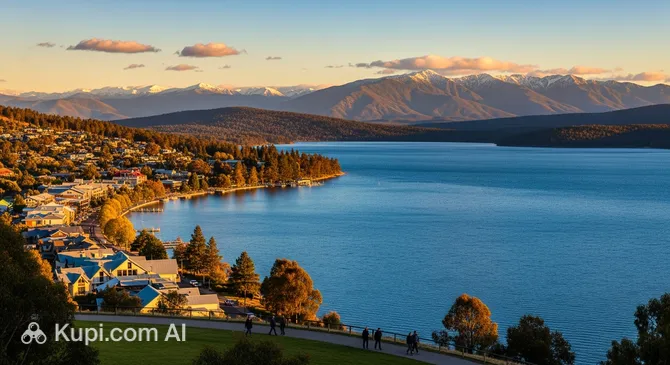
Jindabyne is a charming alpine town that serves as the perfect gateway to the Snowy Mountains. Renowned as one of the premier outdoor adventure hubs in Australia, it offers a unique blend of breathtaking scenery and a relaxed, welcoming atmosphere that appeals to travelers in every season.

Jindabyne. Illustration.
Source: Kupi.com AI

Situated on the shores of the expansive Lake Jindabyne, the town is located in southeast New South Wales at an elevation of over 900 meters. While it stands today as a modern service center for the region, the history of Jindabyne is truly fascinating; the original settlement was relocated in the 1960s to make way for the damming of the Snowy River as part of the Snowy Mountains Scheme. The ruins of the old town now lie submerged beneath the waters of the lake, occasionally visible during times of drought.

Visitors flock here for its diverse range of activities and proximity to nature. In winter, it acts as the primary base for skiers and snowboarders heading to the nearby resorts of Thredbo and Perisher. During the warmer months, the focus shifts to the lake itself, which becomes a playground for trout fishing, water skiing, and sailing, while the surrounding trails offer exceptional opportunities for mountain biking and hiking.

Whether you are seeking adrenaline-pumping snow sports or a peaceful lakeside retreat, Jindabyne provides an unforgettable escape into the high country. It is an essential stop for anyone looking to experience the rugged beauty of the Australian Alps.

Weather Overview

Jindabyne experiences a distinct alpine climate, characterized by significant seasonal variations that shape the town's outdoor lifestyle. Due to its elevation in the Snowy Mountains, the weather here is generally cooler than in coastal areas, offering crisp, fresh air year-round.

During the summer months, the days are typically warm and sunny, making it an ideal time for exploring the lake and hiking trails. In contrast, winters are cold and frosty, providing the necessary conditions for the region's famous snow sports season. For the most up-to-date information before you pack, be sure to check the weather in Jindabyne.

Visitors can generally expect warm summers with occasional showers and cold winters often accompanied by frost and brisk winds. It is always advisable to bring layers, as conditions in the high country can change rapidly regardless of the season.

Average monthly temperature

Average monthly precipitation

Interesting Facts

Beyond the main attractions, Jindabyne holds many fascinating secrets that add depth to its scenic beauty. From cinematic fame to engineering marvels, this alpine town has more to offer than just its ski slopes.

  • A Star on the Silver Screen: The town’s dramatic landscapes have caught the eye of filmmakers, serving as the primary location for the award-winning Australian movies Somersault (2004) and the drama Jindabyne (2006). The latter, starring Laura Linney and Gabriel Byrne, famously utilized the haunting atmosphere of the lake and its surroundings to tell its story.

  • An Inland Ocean: While it may look like a tranquil mountain loch, Lake Jindabyne is an engineering giant. This man-made reservoir holds approximately 688,000 megaliters of water, which is significantly more than the volume of water in Sydney Harbour. It is a key component of the Snowy Mountains Scheme, one of the most complex integrated water and hydroelectric power schemes in the world.

  • The Polish Connection: Standing proudly by the lake in Banjo Paterson Park is a massive bronze statue of Sir Paul Edmund Strzelecki, the explorer who named Mount Kosciuszko. The monument was a gift from the Polish government to Australia for the 1988 Bicentenary, symbolizing the historical link between the two nations.

  • An Ironic Name: The name "Jindabyne" is derived from an Aboriginal word believed to mean "valley." There is a certain irony to this, as the original valley that gave the town its name is now permanently submerged beneath the deep waters of the lake.

How to Get There

Reaching Jindabyne is the first step of your Snowy Mountains adventure, with the journey offering scenic views of the Australian high country. The town does not have its own airport, so most travelers fly into Canberra Airport (CBR), which serves as the main international and domestic gateway to the region. Located approximately a two-hour drive away, it offers a wide range of car rental agencies and shuttle bus services. During the peak winter season, you can also look for flights to the closer Snowy Mountains Airport (OOM) near Cooma, which is just a 45-minute drive from Jindabyne.

For those preferring ground transport, there is no direct train service to the town. A popular alternative is to take a train from Sydney to Canberra Station in Kingston and then transfer to a connecting coach that runs to the mountains. Many visitors also choose to drive; the road trip takes about five to six hours from Sydney or seven hours from Melbourne. To plan your trip with the best routes and tips, you can read more about how to get to Jindabyne.

Main Attractions

Jindabyne offers a delightful mix of outdoor adventures and local culture, making it a compelling destination in its own right. While many pass through on their way to the ski fields, those who linger will find a variety of engaging sites to explore within and around the town.

Lake Jindabyne is undoubtedly the town's centerpiece and a hub for recreation. Visitors can enjoy a day of water skiing, wakeboarding, or sailing on its calm waters. For a more relaxed experience, the Lake Jindabyne Foreshore Trail offers a scenic path for walking or cycling, providing stunning views of the water against the backdrop of the mountains. It is also a premier spot for fishing, particularly for Atlantic salmon and trout.

Located just a short drive from town along the Alpine Way, the Wildbrumby Schnapps Distillery is a favorite among tourists. Set amidst a beautiful sculpture garden, it offers a taste of Austrian tradition with its award-winning fruit schnapps and gin. Visitors can enjoy a tasting session, dine at the on-site cafe, or simply stroll through the grounds to admire the art and the surroundings.

Situated on the Thredbo River, the Gaden Trout Hatchery is one of the main centers for breeding sport fish in the region. It provides a fascinating look into the local fishing culture, with guided tours that allow visitors to view the breeding tanks and learn about the lifecycle of trout and salmon. It is an educational experience that also offers the chance to feed the fish, making it a popular stop for families.

As the gateway to the majestic Kosciuszko National Park, Jindabyne is the perfect starting point for exploring the Snowy Mountains. In summer, the park transforms into a hiker's paradise with trails leading to the summit of Mount Kosciuszko, the highest peak on the continent. The park's diverse landscape features alpine wildflowers, rugged granite formations, and historic huts, offering endless opportunities for photography and nature walks.

Local Cuisine

Jindabyne's culinary scene is a delightful reflection of its alpine setting, offering hearty meals designed to fuel outdoor adventurers and comfort food perfect for chilly evenings. The town boasts a surprising variety of dining options, ranging from relaxed lakeside cafes to lively pubs that come alive during the snow season.

One cannot visit this region without trying the local trout. With the lake and nearby rivers teeming with fish, fresh trout is a staple on many menus, often served smoked, grilled, or as a delicate pâté. For those seeking a classic Australian feed, the local pubs serve massive chicken parmigianas and premium steaks, providing the substantial boost needed after a day on the slopes or hiking trails. In the colder months, expect to find rich stews and warming soups featuring regional produce.

When it comes to drinks, Jindabyne has carved out a unique niche with its local spirits. The region is famous for its fruit schnapps, distilled locally using traditional European methods and locally sourced fruit; it is the traditional way to toast a day in the mountains. Craft beer enthusiasts will also appreciate the local breweries pouring refreshing ales and lagers, while Australian wine lovers can enjoy cool-climate varietals produced in the broader Snowy Mountains and Canberra District regions.

The food culture here is defined by its spirited "après-ski" vibe in winter and a laid-back, outdoor lifestyle in summer. Locals and tourists alike gather in the town's bustling hotels and brasseries to share stories of their day's adventures. Whether you are grabbing a barista-made flat white and a bacon and egg roll at a bakery before heading up the mountain, or settling in for a long dinner with lake views, the dining experience in Jindabyne is welcoming and unpretentious.

Travel Tips

To ensure your trip to the Snowy Mountains is as smooth as possible, a little local know-how goes a long way. These practical tips will help you navigate Jindabyne’s unique alpine environment and make the most of your stay, whether you are here for the snow or the summer trails.

  1. Clothing and Gear: Since the weather in the mountains can be unpredictable, packing layers is essential regardless of the season. In winter, waterproof outerwear and sturdy boots are non-negotiable, while summer visitors should bring a hat and high-SPF sunscreen, as the UV index is significantly higher at this altitude. Don't forget an Type I power adapter (three flat pins) if you are traveling from overseas.

  2. Transportation: There are no trains, trams, or metro systems within Jindabyne. While seasonal shuttle buses connect the town to the ski resorts, getting around the local area is best done by car. Renting a vehicle gives you the freedom to visit remote trailheads and scenic lookouts that public transport does not reach, though rideshare apps are generally not reliable here.

  3. Finances: The local currency is the Australian Dollar (AUD). Credit and debit cards are widely accepted at almost all hotels, restaurants, and shops, but it is handy to keep some cash for small purchases at local markets. ATMs are readily available in the town center, and tipping is optional, usually reserved for exceptional service.

  4. Health and Safety: Jindabyne has a local medical center and pharmacies, but they generally operate during standard business hours rather than 24/7. The biggest safety risk for tourists is on the roads; be particularly careful when driving at dawn or dusk, as local wildlife—especially kangaroos and wombats—frequently cross the roads and can cause serious accidents.

  5. Communication: English is the primary language, and the local dialect is full of slang but easy to understand. Mobile coverage is generally good in town, but signal can drop out in the deeper valleys of the national park; the Telstra network typically offers the best reach in these remote areas. Free Wi-Fi is standard in most cafes and accommodations.

  6. Local Etiquette: The vibe here is relaxed and friendly; a simple "G'day" and a smile is the standard greeting. Locals are very protective of their environment, so strictly adhere to the "leave no trace" philosophy—always dispose of rubbish in bins or take it with you to keep the pristine alpine nature unspoiled.

  7. What to Avoid: Avoid driving without carrying snow chains during the declared snow season (usually June to October) if you are heading into the National Park, as heavy fines apply. Also, never underestimate the cold water of the lake; even in summer, it can be surprisingly chilly, so swim only in designated areas or where you are comfortable.

  8. Park Pass Requirement: It is important to know that Jindabyne is the gateway to Kosciuszko National Park, and you cannot drive into the park without a valid entry pass. You can purchase these online or at the Snowy Region Visitor Centre in town; rangers patrol frequently, so ensure your pass is displayed on your dashboard to avoid a fine.

By keeping these simple pointers in mind, you can focus entirely on the adventure and relaxation that awaits you. Jindabyne is a welcoming community that loves to share its backyard, so come prepared and enjoy everything this highland gem has to offer.

Entertainment & Nightlife

Entertainment in Jindabyne is heavily influenced by the seasons, transforming from a relaxed lakeside village in summer to a pulsating party hub during the winter months. The nightlife scene is compact but vibrant, concentrated mainly along Kosciuszko Road and the town center, where the "après-ski" culture reigns supreme. After a long day on the slopes, the atmosphere is electric, filled with live music, hearty food, and a crowd eager to celebrate their alpine adventures.

The most iconic venue in town is undoubtedly the Banjo Paterson Inn. Known simply as "The Banjo," it is the epicenter of Jindabyne's social life, featuring multiple bars and a nightclub section that stays busy well into the early hours. It is the place to be if you are looking for DJ sets and a high-energy crowd. Another major player is the Lake Jindabyne Hotel, often referred to as "The LJ." This sprawling venue is famous for hosting touring bands and major music acts, offering a classic Australian pub experience with plenty of space to dance.

For those seeking a more conversation-friendly environment, the Jindabyne Bowling & Sports Club offers a relaxed alternative. It is a great spot to enjoy a quiet drink with views of the lake, away from the intense volume of the late-night party bars. The dress code across most venues is distinctly "mountain casual"—jeans, jumpers, and boots are the standard, and comfort is prioritized over high fashion.

Practicality is key to enjoying a night out here. During the peak snow season (July and August), lines for popular venues can get long, so arriving early is recommended. One of the best features of Jindabyne nightlife is the widespread use of courtesy buses operated by the major hotels and clubs. Taxis can be hard to come by during peak hours, so these shuttle services are the most reliable and safe way to get back to your accommodation.

In terms of safety, the town is very welcoming, but the environment demands respect. The primary risk at night is the freezing temperature; walking home in sub-zero conditions without a proper coat is dangerous. Stick to the main well-lit streets and utilize the venue buses. The area is generally safe for walking, but icy footpaths can be slippery, so sensible footwear is a must.

Beyond the bars and clubs, daytime entertainment offers a slower pace. The Jindabyne Cinema provides a cozy escape for movie lovers, screening the latest releases—perfect for a rest day or bad weather. Visitors can also explore local art galleries or the seasonal markets that pop up in the town parks, showcasing regional crafts and produce.

Parks & Museums

While Jindabyne is famous for its adrenaline-fueled outdoor pursuits, the town also offers a serene collection of green spaces and cultural venues that celebrate its unique heritage and alpine environment. Visitors looking to slow down will find beautifully maintained parks along the water's edge and galleries that showcase the region's artistic spirit.

Banjo Paterson Park is the premier recreational space in town, stretching along the shores of Lake Jindabyne. It is a favorite among families and groups for its extensive picnic facilities, electric barbecues, and playgrounds. The park also serves as the starting point for the scenic foreshore cycleway and offers ample open grass for cricket or relaxing in the sun. Another significant natural area is the Lake Jindabyne Foreshore, a linear park that wraps around the water. It provides uninterrupted views of the Snowy Mountains and is dotted with quiet spots perfect for reading, yoga, or watching the sunset over the ranges.

For a dose of culture and history, the Snowy Region Visitor Centre functions as the town's primary educational hub. Far more than just an information point, it features an interpretive gallery with engaging displays about the local wildlife, the Aboriginal cultural heritage of the Ngarigo people, and the history of the Snowy Mountains Scheme. It is an excellent place to gain context about the landscape before heading out to explore.

Art lovers should visit the Wildbrumby Sculpture Garden, located just outside the town center. Set within the grounds of the distillery, this expansive outdoor gallery features a permanent collection of contemporary sculptures by local and international artists. The artworks are strategically placed among the granite boulders and native shrubs, creating a harmonious blend of art and nature that encourages visitors to wander and explore.

Historical interest in Jindabyne is deeply tied to the engineering marvel that created the modern town. The majestic Sir Paul Edmund Strzelecki Monument in Banjo Paterson Park is a key landmark, honoring the Polish explorer who climbed and named Australia's highest peak. While the original town lies underwater, the relocation history is palpable in the community's layout and the monuments dedicated to the workers of the hydro-electric scheme.

For a truly local experience, seek out The Claypits, a lesser-known recreation area on the eastern edge of town. Often missed by tourists who stick to the main foreshore, this spot offers a more secluded swimming area with sandy banks and calm waters, making it a perfect hideaway for a quiet afternoon dip away from the crowds.

Getting Around

Jindabyne is a compact alpine town, and unlike major metropolitan areas, it does not possess a complex public transport network such as a metro, tram, or city-wide municipal bus system. The primary mode of getting around is by private vehicle, though the transport landscape shifts significantly depending on the season. Visitors will find that navigation is straightforward, but it requires a bit more planning than simply hopping on a subway.

During the peak winter season, the local transport options expand with the introduction of dedicated shuttle buses designed specifically for skiers and snowboarders. These services connect the town center to the major ski resorts, significantly reducing the need for tourists to drive in hazardous snowy conditions. These buses typically depart from central locations, such as the Snowy Region Visitor Centre, and run on a strict timetable to align with the opening and closing times of the ski lifts.

Payment for these seasonal bus services is generally not done through a typical city "tap-on" card or transit app. Instead, tickets usually need to be booked in advance online or purchased at specific ticket offices in town. Prices are fixed based on a return trip or a multi-day pass, and they are generally higher than standard urban bus fares. It is highly recommended to secure your seat at least a day in advance, especially during school holidays, as capacity is limited and buses can fill up quickly.

For getting around the town itself outside of the ski shuttles, options are somewhat limited. There is a local taxi service which operates in the area, essential for getting to restaurants or returning to your accommodation after a night out. However, you cannot rely on hailing a cab on the street; calling ahead to book is almost always necessary. Rideshare apps are technically available, but drivers are often scarce or non-existent in this regional area, so they should not be relied upon as a primary form of transport.

Given the limitations of public transit, renting a car is arguably the most practical choice for visitors. Having your own vehicle provides the freedom to explore the surrounding national park, visit remote trailheads, or drive to the distillery at your own pace. If you are staying within the central district, the town is quite walkable, and renting a bicycle is a popular and scenic alternative for traveling along the lake foreshore during the warmer months.

While there is no metro system in the city, a unique regional transport feature is the Skitube, an alpine rack-rail train located a short drive away at Bullocks Flat. Although it does not serve the town of Jindabyne directly, it is a crucial link for many tourists heading to the snowfields. It allows visitors to park their cars below the snowline and travel through a tunnel up to the resort areas. Tickets for this train are distinct from bus passes and are often purchased in conjunction with ski lift tickets.

Accommodation

Accommodation in Jindabyne is designed to cater to the influx of outdoor enthusiasts, offering a wide spectrum of choices from budget-friendly stays to upscale alpine lodges. The town is particularly well-stocked with self-contained apartments and holiday houses, which are a favorite choice for families and groups of friends heading to the snow. For solo travelers or those on a tighter budget, there are lively backpacker hostels and well-equipped caravan parks that offer comfortable cabin stays.

When choosing where to stay, location is a key factor. The town center is the most practical area, placing you within walking distance of the supermarkets, ski hire shops, and the main bus stops for the resort shuttles. For a more scenic and tranquil experience, consider the properties in East Jindabyne or Tyrolean Village. These areas are slightly removed from the bustle of the main commercial strip but often offer stunning, elevated views over the lake and the mountains.

Travelers looking for full-service amenities will find several established hotels and resorts in the area. These establishments typically feature on-site restaurants, bars, and drying rooms specifically designed for ski gear. Many of the larger hotels also serve as convenient pickup points for the shuttle buses to the ski fields, adding a layer of ease to your morning routine before hitting the slopes.

Booking Tip: The demand for accommodation in Jindabyne skyrockets during the peak snow season, which runs from late June to early September. It is highly recommended to book your stay at least three to six months in advance if you plan to visit during these months, especially if your trip coincides with the school holidays.

Price points vary significantly depending on the time of year. During the winter peak, rates for all types of accommodation are at their highest, and minimum stay requirements (often two to five nights) are common. In contrast, the summer season offers much more flexibility and significantly lower rates, making it an affordable time for a lakeside getaway. Booking is most commonly done through major online travel platforms or by contacting local real estate agencies that manage holiday rentals directly.

Nearby Cities

For those looking to explore the surroundings, Jindabyne serves as an excellent base for day trips to several interesting nearby locations:

Located just a short drive along the Alpine Way, Thredbo is a picturesque alpine village that attracts visitors year-round. While famous for its winter sports, it is equally popular in summer for hiking, mountain biking, and riding the chairlift to the start of the Mount Kosciuszko summit walk. The village atmosphere, with its European-style lodges and lively cafes, makes it a delightful spot for a day out.

Situated approximately 60 kilometers away, Cooma is the largest town in the region and serves as the historic gateway to the Snowy Mountains. It is home to the Snowy Hydro Discovery Centre, where visitors can learn about the massive engineering scheme that shaped the area. The town also features heritage walks and unique museums, offering a mix of history and culture.

For a quieter experience, the historic town of Dalgety lies on the banks of the Snowy River. It is known for its peaceful atmosphere and the impressive bridge dating back to 1888. It is an ideal location for a relaxing picnic by the river or a swim in the warmer months, offering a glimpse into the pastoral history of the high country.

Shopping & Souvenirs

Shopping in Jindabyne is largely defined by its status as an alpine service hub, prioritizing practicality and outdoor lifestyle over high-end fashion or sprawling department stores. The retail scene is tailored to the needs of adventurers, offering an impressive concentration of ski and snowboard rental shops, camping gear outlets, and specialized sporting goods stores. While it may not be a destination for luxury retail therapy, visitors will find excellent options for stocking up on winter essentials, groceries, and unique regional products.

The primary commercial hub of the town is Nuggets Crossing Shopping Centre. Unlike a traditional enclosed mall, this is an open-air precinct that serves as the beating heart of Jindabyne's daily life. It is home to the town’s major supermarket, a pharmacy, a newsagency, and several boutiques selling clothing and homewares. This is the most convenient place to find everything from fresh food for your self-catering apartment to a new pair of gloves for the snow.

Adjacent to the main center, the Old Town Centre offers a slightly different vibe with a mix of independent businesses. Located closer to the lake, this area features a selection of smaller shops, cafes, and service providers. It is a good place to browse for fishing tackle or visit local surf and snow shops that have been serving the community for decades, often staffed by locals with a wealth of knowledge about current mountain conditions.

For those seeking locally made treasures, the Jindabyne Memorial Hall Markets are a highlight when they are on. Typically held on the first Saturday of the month (and more frequently during peak holiday periods), these markets showcase the creativity of the Snowy Mountains community. Stalls feature everything from handmade jewelry and knitted woolens to local honey, jams, and woodwork, providing a more authentic shopping experience than the standard souvenir stores.

When it comes to souvenirs, the region offers several distinctive items worth taking home. A bottle of locally distilled fruit schnapps or gin from the nearby distillery is a popular choice, capturing the flavors of the high country. Additionally, high-quality Merino wool clothing is a practical and luxurious keepsake given the area's history of sheep grazing. Visitors also often pick up alpine-themed artwork or photography prints that capture the stunning landscapes of the National Park.

Store opening hours in Jindabyne generally follow standard Australian business times, with most specialty shops operating from 9:00 AM to 5:00 PM. However, during the peak winter season (July and August), many ski hire and retail outlets extend their hours significantly, often staying open until late evening to accommodate visitors arriving for the weekend. The major supermarket in Nuggets Crossing also has extended trading hours, usually open until late at night, which is convenient for late arrivals.

Payment is straightforward, with credit and debit cards (Visa and Mastercard) accepted almost everywhere, including small cafes. Contactless payment is the norm. For international travelers, the Tourist Refund Scheme (TRS) allows you to claim a refund on the Goods and Services Tax (GST) for purchases over $300 from a single store, provided you have the tax invoice and present the goods upon your departure from Australia at the international airport.
Reached the end of the page?

That means the route is fully explored