Support

Eagle Beach

About

Eagle Beach, also known as "Eagle Beach," is one of the gems of the Caribbean Sea and, without a doubt, the widest and one of the most famous beaches on the island of Aruba. Located in the Oranjestad area, this beach consistently attracts travelers from all over the world with its natural beauty and relaxing atmosphere.
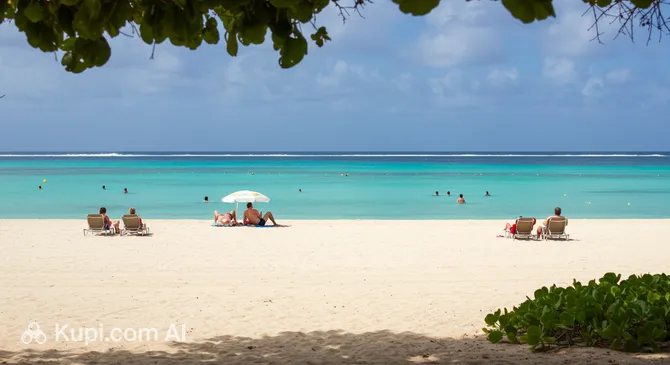
Eagle Beach. Illustration.
Source: Kupi.com AI

Traveller photos:

The main pride of Eagle Beach is its incredibly soft, dazzlingly white sand that stretches for many meters in width, gradually turning into the crystal-clear, turquoise waters of the Caribbean Sea. The beach is also famous for its photogenic divi-divi trees (Caesalpinia coriaria), whose trunks, bent by the trade winds, have become an unofficial symbol of Aruba and create a unique landscape.

Unlike the livelier neighboring Palm Beach, Eagle Beach offers a more peaceful and secluded setting. Low-rise hotels and apartments predominate here, which helps maintain a sense of space and harmony with nature. It is an ideal place for both family holidays with children and for romantic walks or simply enjoying the silence and magnificent sunsets. The developed yet unobtrusive infrastructure ensures a comfortable stay, allowing you to fully appreciate the charm of this Caribbean paradise.

Contacts

Since Eagle Beach is a public natural site, it does not have a single contact center. To reach the beach from Oranjestad, you can use local buses that run regularly along the coast, take a taxi, or rent a car for greater convenience. For up-to-date information on public transport routes and parking, it is best to check Aruba's tourism websites or ask directly at your hotel.

How to contactContact
AddressEagle Beach, Aruba

What to Do

At Eagle Beach, visitors can find many opportunities for both active and relaxing holidays. This magnificent beach is perfect for a refreshing swim in the Caribbean Sea, sunbathing on the soft white sand, or taking leisurely walks along the shoreline. Water sports enthusiasts can take advantage of jet ski rentals and other water activities, adding a touch of adrenaline to their holiday.

In addition to water activities, Eagle Beach captivates with its natural beauty. The famous fofoti trees (Caesalpinia coriaria) grow here; their curiously bent silhouettes against the turquoise sea often become the subjects of photographs and are a true symbol of Aruba. The beach is also a favorite spot for romantic strolls, especially at sunset when the sky is painted in incredible colors, creating a truly magical atmosphere.

Cozy small bars, cafes, and restaurants are located along Eagle Beach, where you can have a snack or a full lunch while enjoying local and international cuisine with a magnificent view of the sea. An important feature of the beach is that the hotels are located in close proximity but not right at the water's edge. This allows Eagle Beach to remain open and accessible to the public, which adds to its special charm and makes a holiday here even more comfortable for all visitors.

Getting There

Eagle Beach is conveniently located very close to the capital of Aruba, the city of Oranjestad, making it easily accessible for travelers. A trip from the center of Oranjestad by taxi or rental car will take you literally a few minutes. This is a quick and comfortable way to find yourself on one of the island's best beaches without spending much time on the road.

Additionally, Eagle Beach can be reached by public transport. Local buses run across the island, with routes connecting the main tourist zones, including this famous beach. This is a more economical option that also allows you to dive into local life and perhaps see something interesting along the way.

For those arriving in Aruba by air, the journey from the international airport also does not take much time. By car or taxi, you can reach Eagle Beach in about 15–20 minutes. Thanks to its location on the west coast of the island, the beach is very convenient to include in excursion itineraries or to visit during independent trips around Aruba while enjoying the scenic views.

Nearest city: Oranjestad

History & Facts

The history of Eagle Beach, like many of Aruba's tropical havens, is closely linked to the development of tourism on the island. The island itself, which is of volcanic origin, long remained in the shadow of more famous Caribbean destinations. However, with growing interest in the region, the magnificent beaches of Aruba, including Eagle Beach, began to be actively developed, turning into popular tourist areas.

It is believed that Eagle Beach got its name from the birds that live in this area. Over time, it has become a true symbol of the island's natural beauty. Notably, in recent decades, despite the construction of low-rise hotels and the development of tourism infrastructure, local laws have played a key role in preserving the beach. Thanks to them, Eagle Beach remains open to the public and protected from privatization, allowing everyone to enjoy its vast stretches.

One of the unique features of Eagle Beach, which has long been its calling card, are the Caesalpinia coriaria trees (often called divi-divi or fofoti). These picturesque plants, with their trunks characteristically bent by the trade winds, do not just decorate the beach but are also considered a natural symbol of Aruba. Their images often appear in cultural and tourism materials, highlighting the unique character of this Caribbean paradise.

Time Needed

To fully enjoy all the delights of Eagle Beach, we recommend setting aside at least half a day for your visit. This amount of time—roughly 4–5 hours—will be quite enough for you to relax on the famous white sand, swim to your heart's content in the azure waters of the Caribbean Sea, have a leisurely lunch in one of the coastal cafes, and take a pleasant walk along the wide shoreline.

If your plans are more extensive and include, for example, active water activities like jet skiing, or if you dream of having a photoshoot by the famous fofoti trees that have become a symbol of Aruba, then you should consider spending a full day at Eagle Beach. This way, you can combine all your desired activities without rushing and get the most out of this slice of paradise.

Working Hours

Eagle Beach is a public beach, so it is open to visitors 24/7 and year-round. You can enjoy its beauty at any time convenient for you. However, for the most comfortable and safe holiday, especially if you plan to swim or sunbathe, it is recommended to visit the beach during daylight hours—from morning until sunset.

Since Eagle Beach is a public space, no advance booking or ticket purchase is required. You can just arrive and enjoy your holiday. No special permits are needed to access the beach, making your visit as simple and convenient as possible for everyone.

Nearby

Relaxing on the magnificent Eagle Beach is an unforgettable experience in itself. However, to make your trip to Oranjestad even more rewarding and interesting, it is worth setting aside time to explore the surroundings. Near this famous beach in Aruba, there are many other notable places that can offer new discoveries and emotions.

Exploring nearby attractions will allow you to dive deeper into the island's atmosphere, get to know its culture, nature, and other popular tourist sites. This is a great opportunity to diversify your beach holiday and get a more complete picture of Oranjestad and its surroundings. Below is a list of some interesting places located near Eagle Beach, along with their approximate distances.

NameDistance
Bucuti & Tara Beach Resort1.2 km
Manchebo Beach Resort & Spa1.3 km
Aloe Factory Museum and Store2.3 km
Druif Beach2.3 km
Kini Kini Tours3.2 km
I Love Aruba Sign3.7 km
National Archaeological Museum Aruba3.9 km

Reached the bottom of the page?

Looks like you know this route inside out