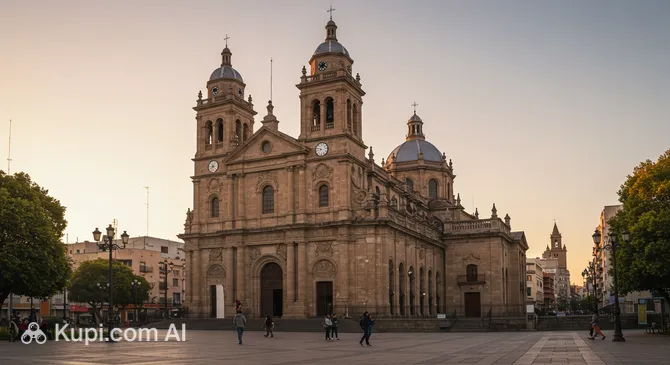
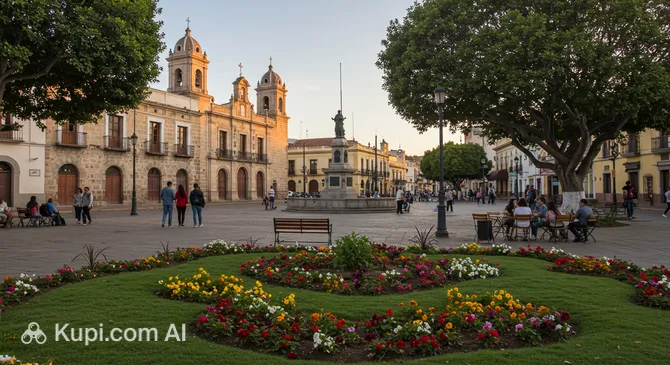
The public transport system in San Luis is relatively compact and straightforward, relying primarily on a network of buses that cover the city center and surrounding neighborhoods. There is no metro, tram, or train service for urban commuting. The main provider for city travel is Transpuntano, which operates various lines connecting residential areas with key points such as the main square, the bus terminal (Terminal de Ómnibus), and the shopping districts. For tourists, the most useful routes are those that transit through the downtown area, offering easy access to museums, hotels, and government buildings.
In addition to the urban lines, there is a strong network of interurban buses that connect the capital with nearby tourist destinations like Potrero de los Funes, La Punta, and Juana Koslay. These buses are distinct from the city's Transpuntano fleet but operate similarly, departing frequently from the main bus terminal and designated stops along major avenues. This makes it very affordable and convenient to take day trips to the sierras without needing a private vehicle.
To use any public bus in the city or the wider province, you must have a SUBE card. This is the same contactless smart card used in Buenos Aires and many other Argentine cities. You cannot pay the driver with cash. If you do not already have one, you can purchase a card at "kioscos" (convenience stores) or lottery agencies (agencias de quiniela) that display the SUBE logo. Credit can be loaded at these same locations or via digital wallets, though you will need to validate the digital load on the bus or at an automatic terminal.
A single bus fare is quite affordable, but it is wise to keep your card topped up, as finding a charging point late at night can be challenging. To pay, simply board the bus and tap your card on the reader next to the driver. If you are taking an interurban bus to a destination outside the city limits, you must tell the driver your destination before tapping, so they can set the correct fare.
Buses generally operate from approximately 5:30 AM to 11:00 PM, though frequencies drop significantly after 9:00 PM and on weekends. To navigate the system, it is highly recommended to use the Moovit app, which provides reliable real-time data, route maps, and schedules for San Luis. Google Maps is also useful but may not always have the most up-to-the-minute changes for local lines.
For those who prefer more direct transport, taxis and remises are widely available and relatively inexpensive compared to larger capitals. Taxis can be hailed on the street and are easily recognizable by their white or black-and-yellow color schemes. Remises, on the other hand, look like private cars and must be booked by phone or at a "remisería" office; they operate with fixed rates based on distance rather than a taximeter. Ride-hailing apps like Uber are also active in the city, offering a familiar alternative for international travelers.
While the city center is walkable, renting a car is a popular choice for visitors who plan to explore the extensive mountain roads and reservoirs of the province at their own pace. Several major car rental agencies have offices at the airport and in the city center. Cycling is growing in popularity for recreation, but there is no large-scale public bike-sharing system currently in operation for tourists.