Navigating Buenos Aires is an adventure in itself, made easy by an extensive and affordable public transport network. The system is well-connected, allowing visitors to reach almost every corner of the city efficiently. The two main pillars of local mobility are the underground railway, locally known as the "Subte," and the ubiquitous public buses, called "colectivos." Together, they form the lifeline of the city, transporting millions of passengers daily.
The Subte is the fastest way to travel across the city center and major neighborhoods. As the oldest subway network in Latin America and the Southern Hemisphere, it holds a special historical charm, particularly Line A, which still features stations with early 20th-century aesthetics. There are six lines (A, B, C, D, E, and H) and a light rail line known as the Premetro. While it is efficient, tourists should note that the Subte is not a 24-hour service; it typically operates from roughly 5:30 AM to 11:30 PM, with slightly reduced hours on Sundays and holidays.
For late-night travel or reaching areas not covered by the subway, the "colectivos" are the best option. These buses operate 24 hours a day, 365 days a year, making them incredibly convenient for the city's vibrant nightlife. The network is vast, and navigating it can be slightly chaotic for first-timers, but the dedicated "Metrobús" lanes on major avenues like 9 de Julio ensure rapid transit through traffic. When boarding a bus, you must tell the driver your destination (or the fare value) before tapping your card, as fares vary by distance.
The golden rule for using public transport here is to obtain a SUBE card immediately upon arrival. This rechargeable magnetic card is the only accepted payment method for buses and the subway; cash is not accepted on board. You can purchase a SUBE card at "kioscos" (convenience stores) throughout the city or at subway stations. To use it, simply load credit onto the card at a kiosk or a self-service terminal, and tap it on the reader at turnstiles or on the bus. Fares are heavily subsidized and remain very affordable for international visitors.
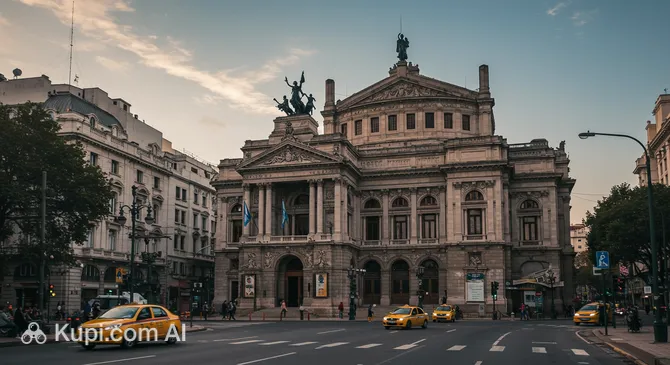
If you prefer more direct transport, the city is swarming with black and yellow taxis. They are generally safe and plentiful, but it is advisable to use "Radio Taxis," which belong to established companies and have their contact information clearly visible on the doors. Ride-sharing apps are also extremely popular and widely used, offering a convenient alternative with transparent pricing. However, be aware that during peak hours, traffic congestion in the city center can make car travel significantly slower than the Subte.
For those who enjoy active travel, the city has become increasingly bike-friendly. The terrain is predominantly flat, and there is an extensive network of protected cycle lanes. The city offers a public bicycle sharing system called "Ecobici," which allows users to rent bikes for short trips. While the system has gone through various changes regarding access for tourists, it remains a great way to explore neighborhoods like Palermo and Puerto Madero at a leisurely pace.
Finally, if you plan to explore the outskirts or visit the Tigre Delta, the commuter train network is an excellent choice. Trains depart from major terminals like Retiro and Constitución, offering a scenic and inexpensive way to see the metropolitan area. Whether you choose the historic rails of the Subte or the bustling energy of a colectivo, getting around is an integral part of the local experience.