What to see in Copenhagen
 Polina
When we imagine an ideal European city, our imagination often conjures up cobblestone streets, colorful "gingerbread" houses reflected in canal waters, and happy people leisurely sipping coffee, wrapped in blankets. All of this is Copenhagen. The city where the fairy tale of the Little Mermaid was born and where LEGO was invented. A city that regularly tops global rankings of the happiest places on the planet.
But why does Copenhagen attract travelers so much, despite its cool northern climate and high prices? The answer lies in the unique atmosphere of coziness that Danes call "hygge," in cutting-edge design, a gastronomic revolution, and the incredible ability of locals to enjoy life. If you haven't yet decided where to go on your next trip, this guide will help you fall in love with the capital of the Danish Kingdom.

First, a little geography. Copenhagen – the capital of which country? It is the heart of Denmark, the southernmost and smallest of the Scandinavian states. What kind of country is Copenhagen in spirit? It's Scandinavia, but with a distinct European touch. Here you feel Swedish restraint, yet there's German meticulousness and Dutch love for freedom.
Where is Copenhagen located? The city is situated on the islands of Zealand, Amager, and Slotsholmen. It stands on the shores of the Øresund Strait, which separates Denmark and Sweden. On a clear day, from Copenhagen's embankments, you can see the Swedish city of Malmö, which is easily accessible via the famous Øresund Bridge – a true marvel of engineering that dips underwater.
How to get to Copenhagen
The question of logistics is currently one of the most important. How to get from Russia under current conditions? There are no direct flights, but that's no reason to give up on your dream. Routes have become more complex, but more interesting.
The most convenient and popular option is a flight with a layover at major international hubs.
- Via Turkey. This is the most reliable route. You can buy tickets to Istanbul on Kupi.com, enjoy Turkish coffee at the new giant airport, and from there fly directly to Copenhagen with Turkish Airlines or SAS.
- Via Armenia or Georgia. If you are flying from the regions or looking for more budget-friendly options, you can consider connections via Yerevan or Tbilisi, and then via European low-cost carriers. For example, tickets to Yerevan are often a good start for a complex but exciting route to Europe.
- Via Serbia. Belgrade remains one of the few European cities with direct flights from Russia. From there, Denmark is just a stone's throw away.
Kastrup Airport, where you will arrive, is only 8 km from the city center. You can reach the city by metro or train in just 15 minutes.
Copenhagen Attractions
Copenhagen is compact, yet incredibly rich in history, architecture, and modern urbanism. If you search for "What to see in Copenhagen", the list will be impressive. Here are the main attractions you shouldn't miss.
Nyhavn – New Harbor
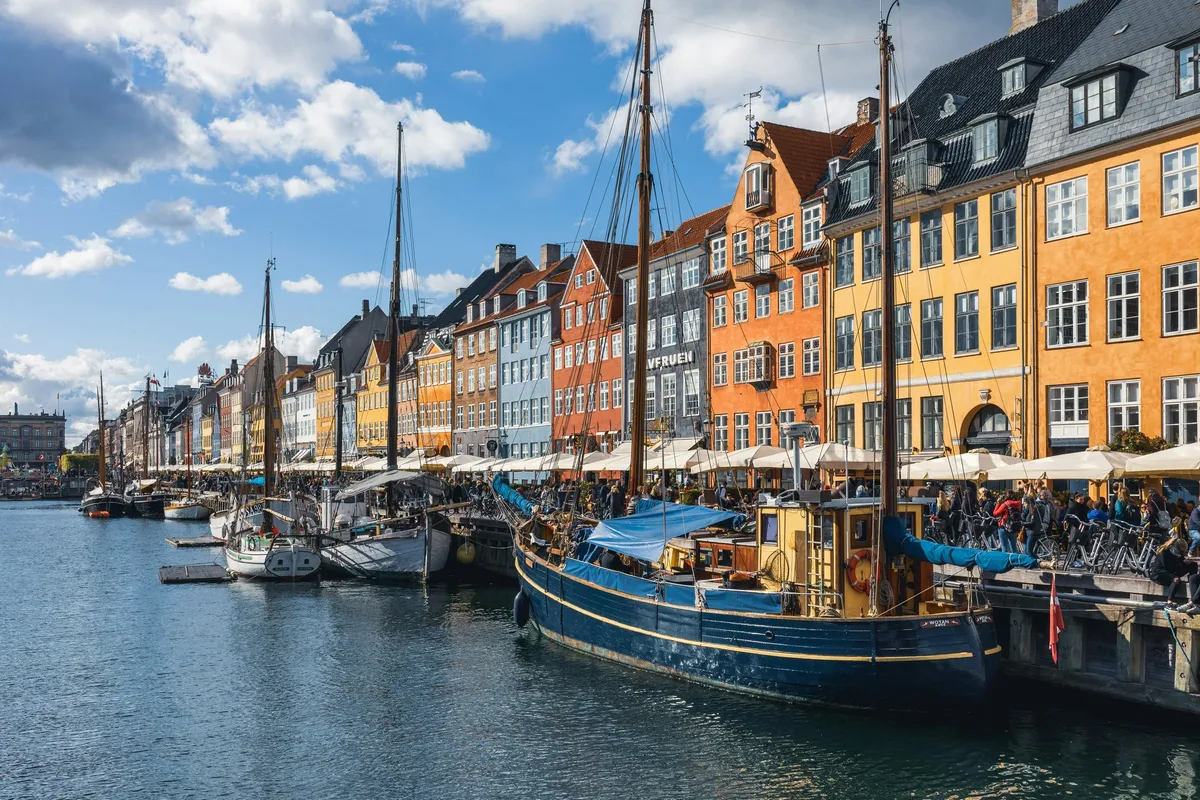
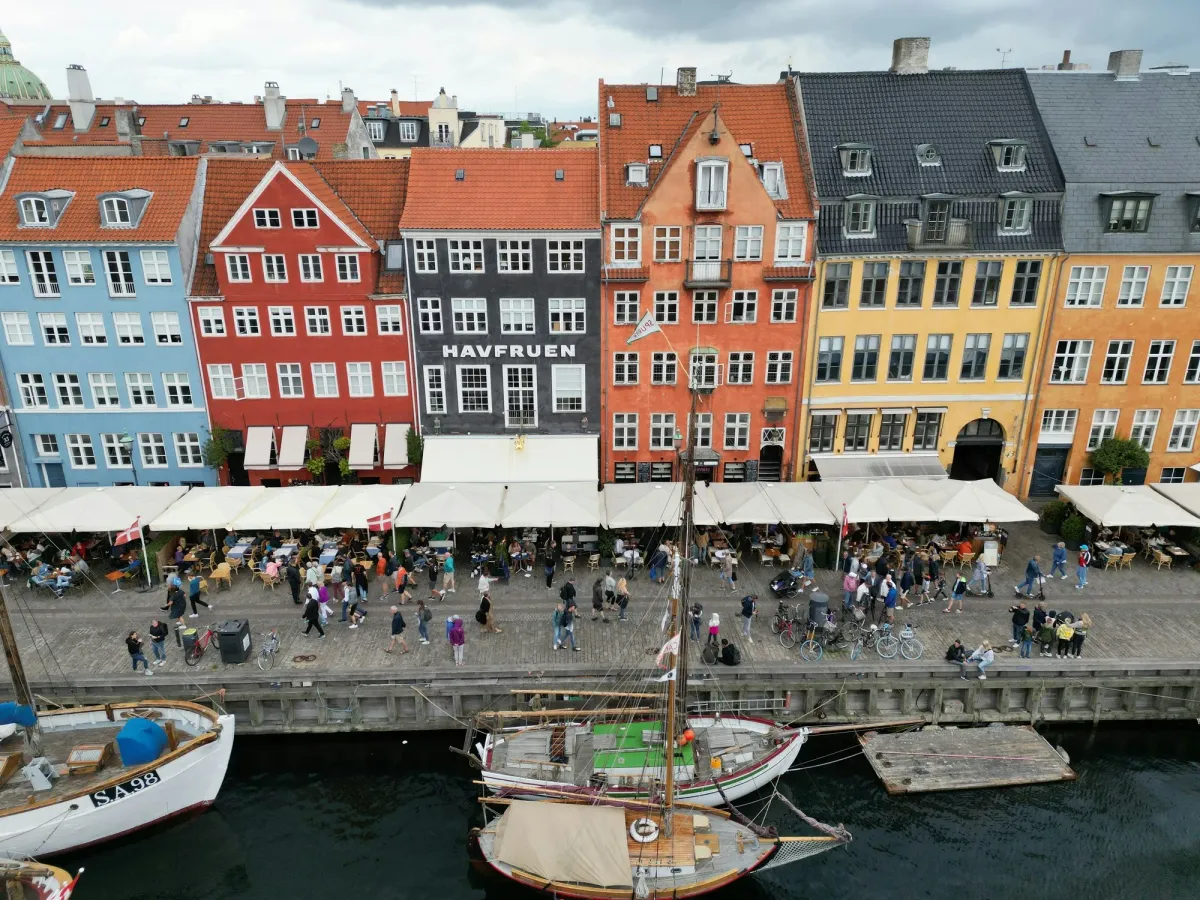
This is that postcard-perfect image known worldwide. Colorful facades of 17th and 18th-century houses lining the canal, old wooden schooners, and a forest of masts create an incredibly picturesque panorama. Once a notorious district for sailors, full of taverns, today it's the most fashionable place for a stroll. Here, in houses No. 18, 20, and 67, the great storyteller Hans Christian Andersen lived and worked in different years. In summer, the embankment transforms into one long open-air bar: locals and tourists sit directly on the wooden pier, dangling their feet in the water, drinking beer, and enjoying the sun. From here, canal tour boats also depart – the best way to see the city from the water.
Tivoli Gardens
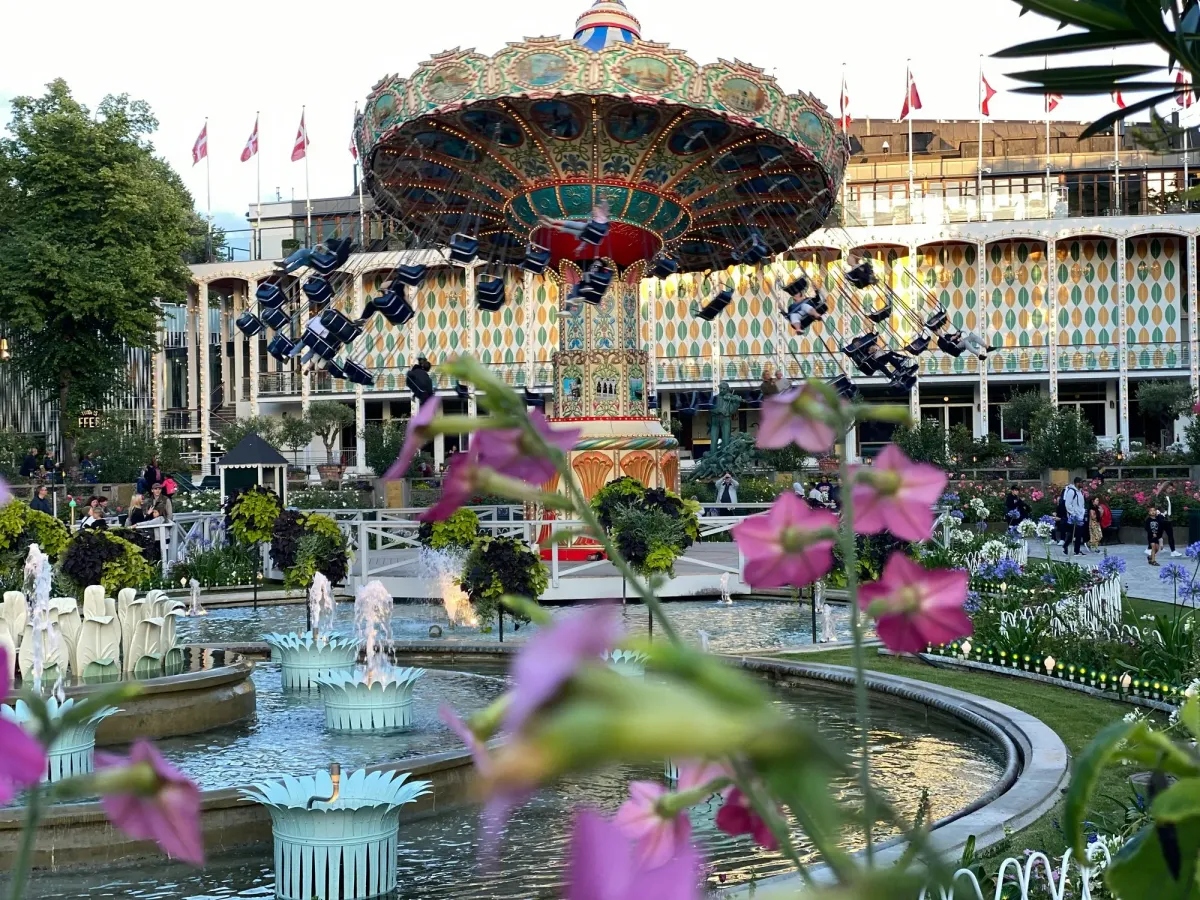
This is not just an amusement park; it's true magic in the very heart of the city, opposite the main train station. Opened in 1843, Tivoli is one of the oldest amusement parks in the world. Legend has it that a visit to Tivoli inspired Walt Disney to create Disneyland. There's no plastic kitsch here; everything is decorated in an exquisite retro style: old carousels, a Chinese pagoda, a pantomime theater, and thousands of colorful lights that illuminate at dusk. For adrenaline junkies, there's "The Demon" with its inversions, and for romantics, paddle boats on the lake. The park changes its decor with the seasons: Halloween here is hauntingly beautiful, and Christmas transforms the park into a winter wonderland.
The Little Mermaid and Kastellet Fortress
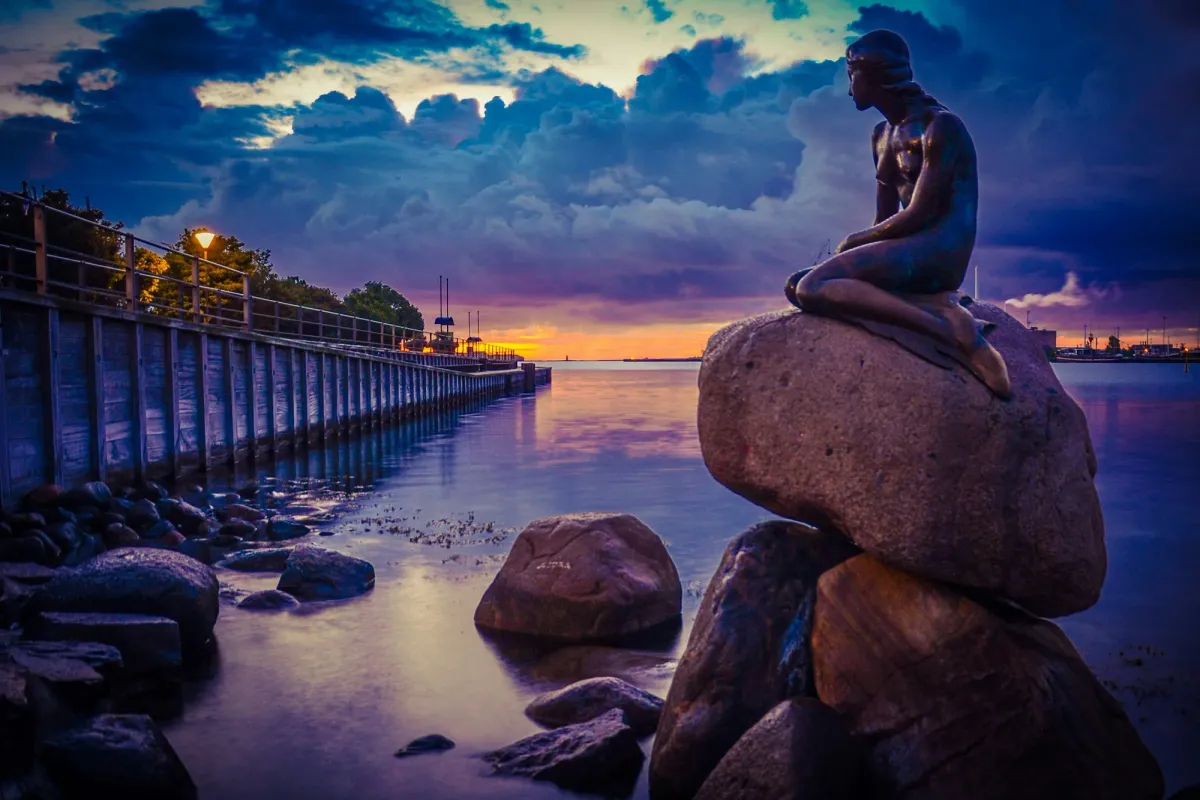
The modest bronze figure on a rock by the Langelinie promenade is the city's main, albeit controversial, symbol. Tourists are often surprised by its small size (only 1.25 meters), but to visit Copenhagen and not greet Andersen's fairy tale heroine is unforgivable. Immediately behind the Little Mermaid is Kastellet – one of the best-preserved star-shaped fortresses in Northern Europe. It is an active military site, but the grounds are open for walks. Here you will find an old red windmill, ochre-colored barracks, and a beautiful green park on the ramparts.
Freetown Christiania
A unique social experiment, existing since 1971. A group of hippies occupied abandoned military barracks and declared independence from Denmark and the European Union. Today, it is a semi-autonomous district with its own laws, flag, and currency. It's a place of contrasts: here you can see amazing self-built houses made of glass and recycled materials, street art galleries, and vegetarian cafes. But be careful on the main street, Pusher Street: photography is prohibited here, and strict rules of conduct apply.
Royal Palaces
Denmark is one of the oldest monarchies in the world, and royal heritage is everywhere here.
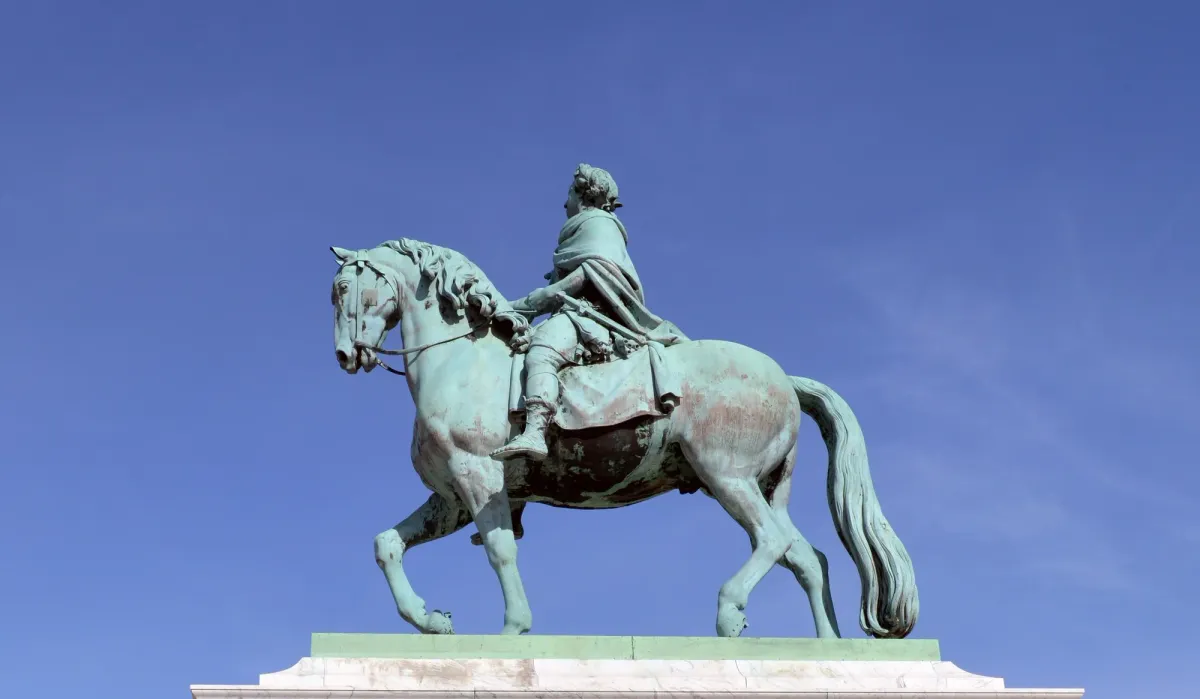
- Amalienborg: the winter residence of the royal family, consisting of four identical palaces surrounding an octagonal square. In the center stands an equestrian statue of Frederik V. If the flag is raised above the palace, it means the monarch is currently home. Daily at 12:00, a ceremonial changing of the Royal Guard takes place here – guards in tall bearskin hats march across the square to the sounds of an orchestra (if the Queen is in the palace).
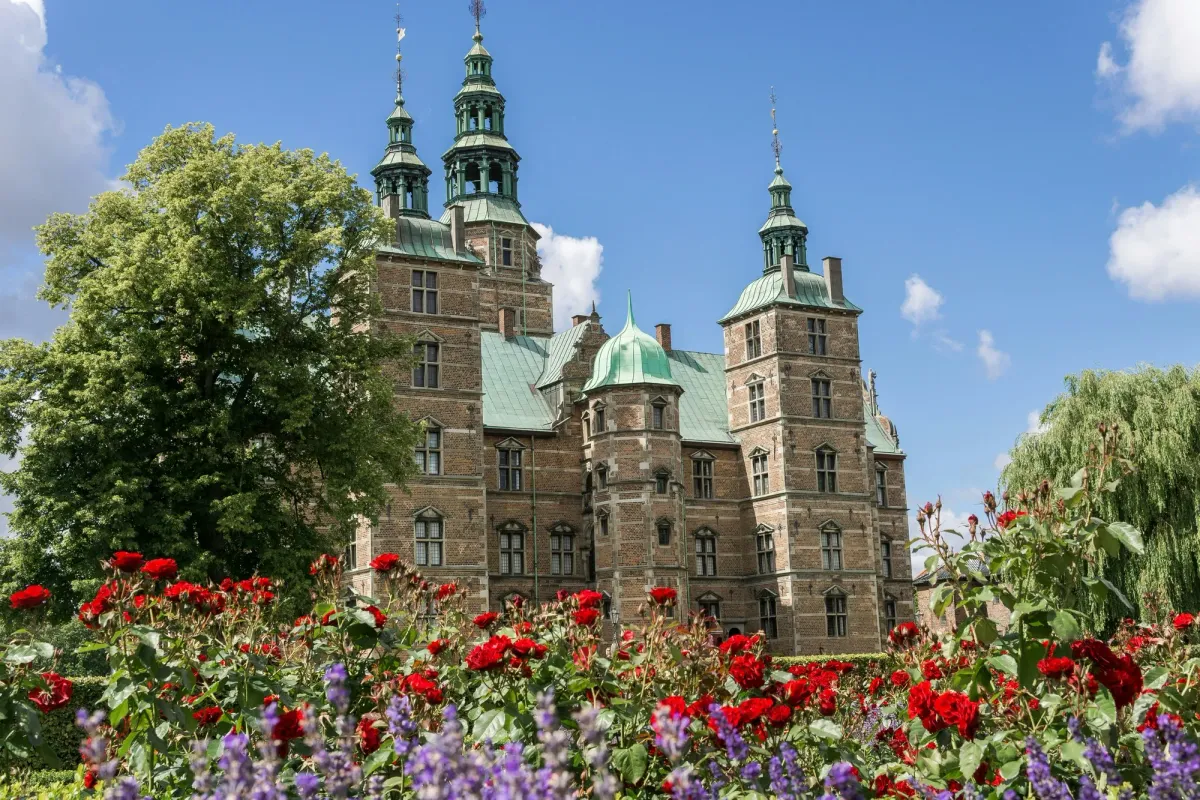
- Rosenborg: an elegant Renaissance castle, surrounded by the King's Garden – a favorite picnic spot for Copenhageners. In the castle's cellars, a real treasury is kept with the crowns of Danish kings and jewels that are still used during ceremonial occasions.
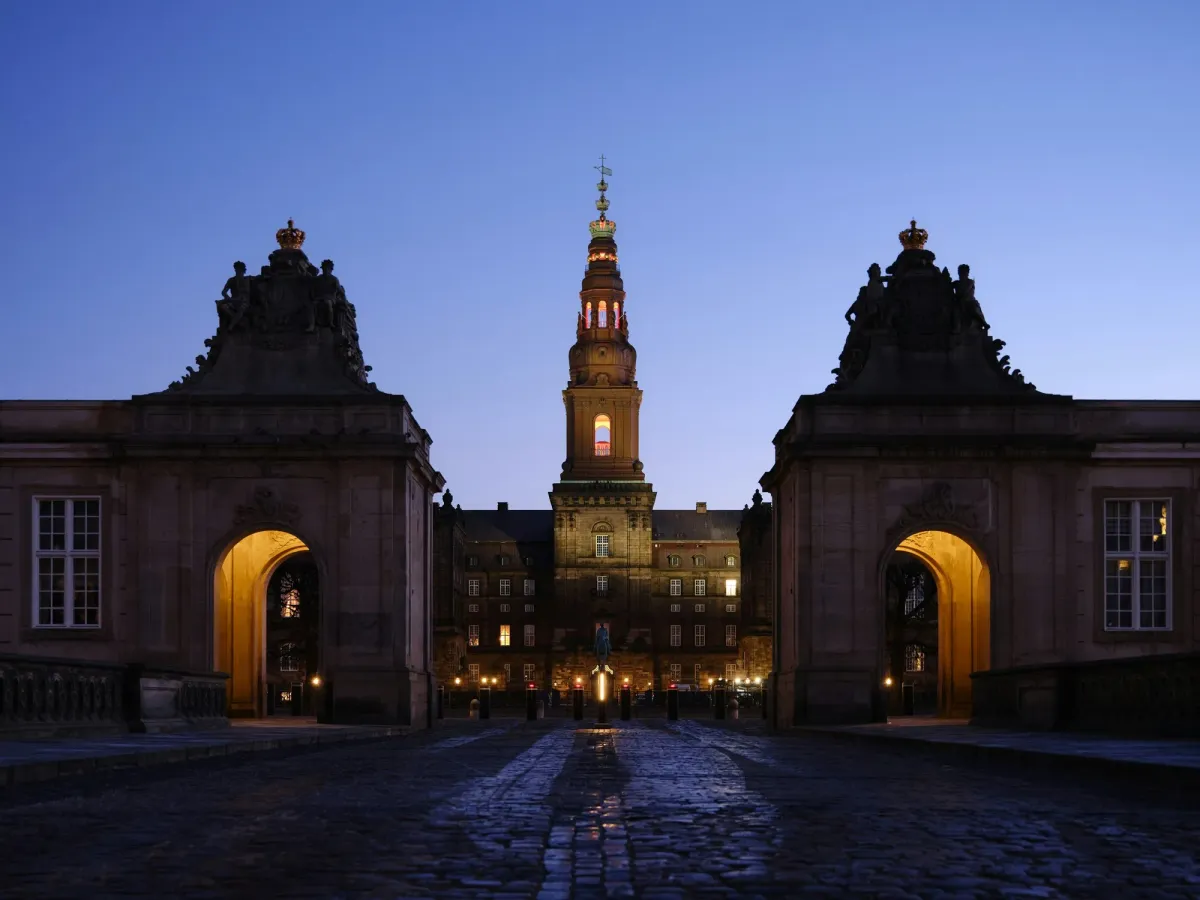
- Christiansborg: a palace on the island of Slotsholmen, where the parliament convenes, the prime minister works, and the Supreme Court is located. You can climb the city's tallest tower (106 meters) for free, offering a stunning view of Copenhagen's rooftops.
The Round Tower
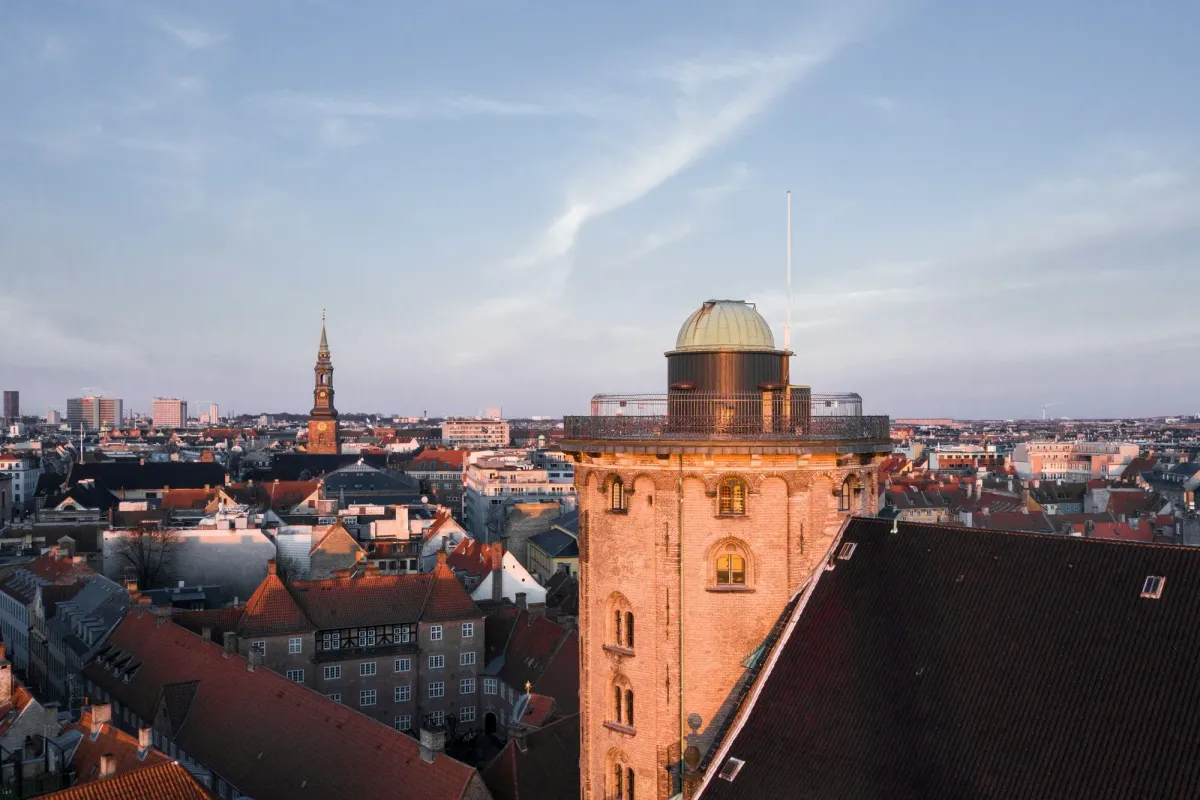
The oldest functioning observatory in Europe, built in the 17th century. The tower's uniqueness lies in the absence of stairs inside (except at the very top). Instead, a wide, gently sloping spiral ramp, 209 meters long, leads to the observation deck. Legend has it that Peter I rode his horse to the top of this tower, followed by Catherine I in a carriage. From the top, one of the best panoramic views of the old city unfolds.
Ny Carlsberg Glyptotek
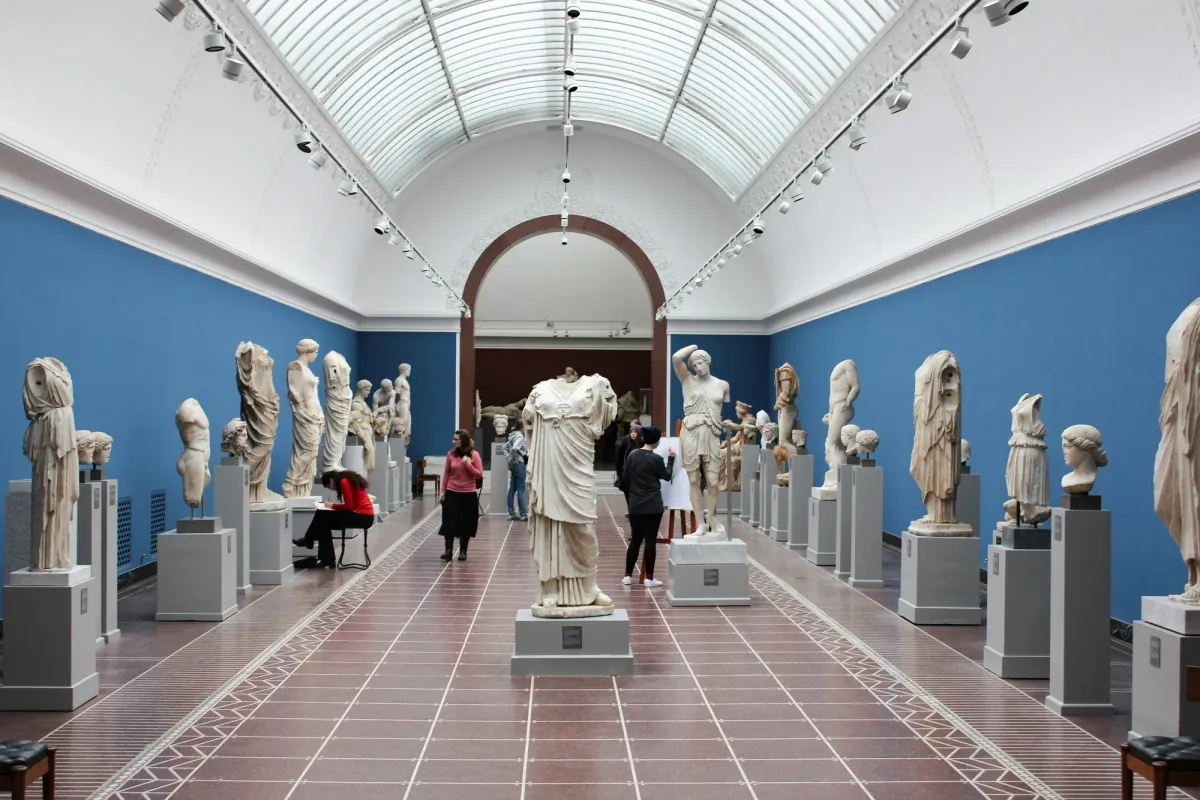
A world-class art museum founded by the son of the Carlsberg brewery owner. It houses a rich collection of ancient art (Egypt, Greece, Rome) and French painting (Gauguin, Rodin, Van Gogh). But the heart of the museum is the magnificent Winter Garden under a glass dome with huge palm trees, a fountain, and sculptures. It's an ideal place to relax and warm up on a cool day.
CopenHill
An example of how Copenhagen looks to the future. This is a waste-to-energy plant whose roof has been transformed into... a year-round ski slope! A building usually hidden on the outskirts has become an architectural masterpiece and a recreational area here. You can ski on the green surface, go hiking, or simply climb to the roof to enjoy coffee with a view of the Øresund Strait and Sweden.
What to see in Copenhagen in one day
If you only have 24 hours, you'll have to act quickly, but without fuss – that's not the Danish way. Here's the ideal itinerary:
- Morning: start with Nyhavn. Before the tourist crowds arrive, take some beautiful photos and have a Danish pastry for breakfast. From here, take a one-hour canal boat tour – it's the best way to see the city from the water, pass under low bridges, and view the modern Opera House and the "Black Diamond" library.
- Day: head to the royal palace Amalienborg to catch the changing of the guard at 12:00. From there, walk to the Marble Church with its enormous dome. Then stroll along the embankment to The Little Mermaid and the star-shaped Kastellet fortress.
- Lunch: Grab a bite at Torvehallerne market, trying the famous smørrebrød sandwiches.
- Evening: Climb the Round Tower (Rundetårn) to watch the sunset over the red tiled roofs. Conclude your day at Tivoli Gardens: dinner at one of the park's restaurants and a stroll amidst the evening illuminations will be a perfect finale.
Transport in Copenhagen
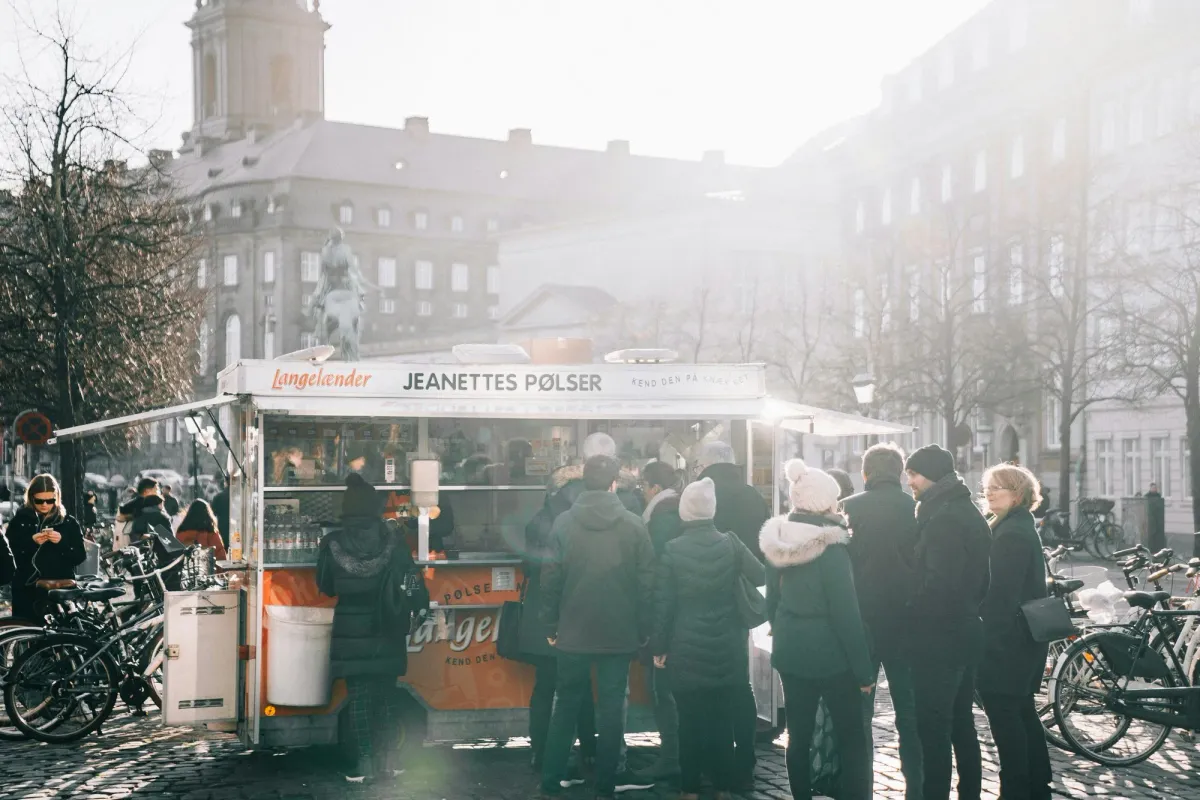
Copenhagen is a city designed for people, not for cars.
- Bicycle – king of the roads. There are more bicycles here than cars. Bike lanes are wide, with their own traffic lights and rules. You can rent a two-wheeled friend on every corner or at your hotel. This is the most authentic way to get around.
- Metro. Copenhagen's metro operates 24/7 and is fully automated – there are no drivers. Be sure to sit in the first carriage and look through the front window; the feeling of flying through a tunnel is guaranteed.
- S-trains and buses. Connect the city center with the suburbs.
- City Pass. If you plan to travel a lot, buy a City Pass for 24 or 72 hours. It is valid for all types of transport in zones 1-4 (including the airport).
Taxis in the city are very expensive, and given the convenience of public transport, there is practically no need for them.
Where to eat in Copenhagen
The Danish capital is experiencing a real gastronomic boom. It is the birthplace of "New Nordic Cuisine."
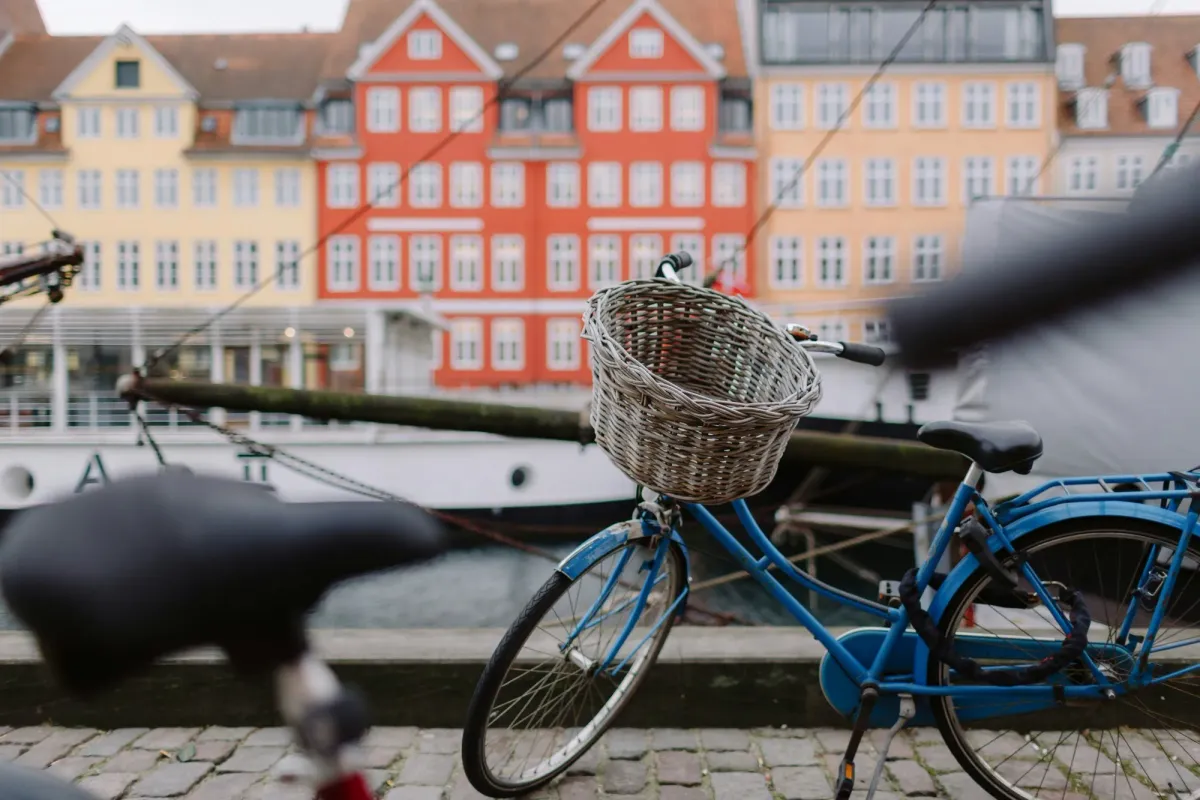
- Smørrebrød. This is not just a sandwich; it's a national treasure. On a slice of dense rye bread, entire towers are built from pickled herring, roast beef, shrimp, vegetables, and sauces. Best places: Aamanns or Schønnemann.
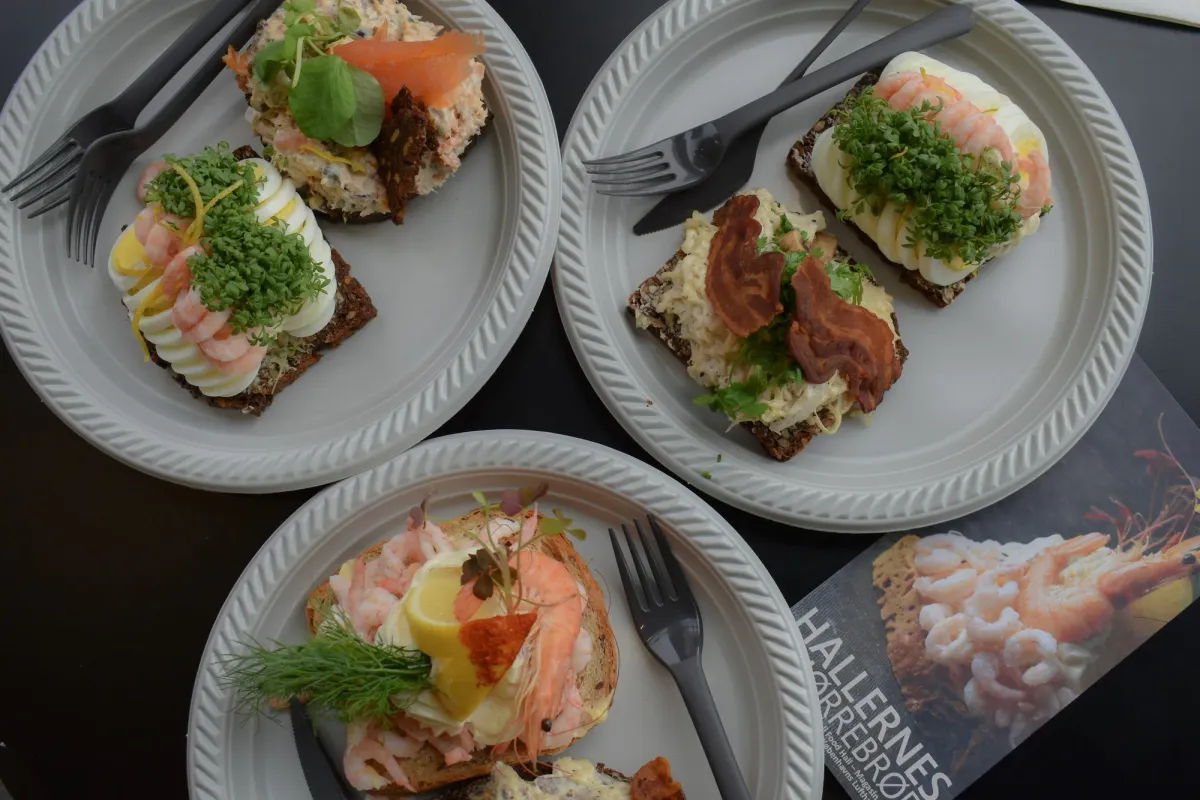
- Street food. Try Danish hot dogs (pølse) with red sausages, fried onions, and pickled cucumbers at kiosks throughout the city. For more refined street food, head to Reffen – a huge area with containers serving food from all over the world.
- Pastries. Danish pastries (wienerbrød) are world-renowned. Visit bakeries like Lagkagehuset or Juno the Bakery for a cinnamon roll or a cream bun.
- Fine dining. If your budget allows, book a table at one of the Michelin-starred restaurants. Noma (repeatedly recognized as the best in the world) or Geranium will offer you a unique experience.

Where to stay in Copenhagen
The choice of neighborhood depends on your budget and goals. Be warned: accommodation in Copenhagen is expensive.
- Indre By (Inner City). The very center. All attractions are within walking distance, but prices are the highest, and streets can be noisy.
- Vesterbro. A former red-light district that has transformed into the trendiest and most hipster area. It has many bars, designer shops, and excellent cafes. Located right behind the train station and Tivoli Gardens. An excellent choice for young people.
- Nørrebro. A multicultural, lively, and democratic district. Here you'll find the best kebabs, vintage shops, and the famous Superkilen park. Accommodation prices are slightly lower.
- Østerbro. A quiet, green, and respectable district. Many families with children live here. The Little Mermaid and parks are nearby. Ideal for a peaceful vacation.
- Christianshavn. A district of canals and yachts. Very picturesque, romantic, but hotel options are limited.
What to bring from Copenhagen
Shopping in Denmark is primarily about design and quality.
- Danish design. Interior items, tableware, and decor. Pay attention to brands like Hay, Normann Copenhagen, or Flying Tiger (budget-friendly trinkets).
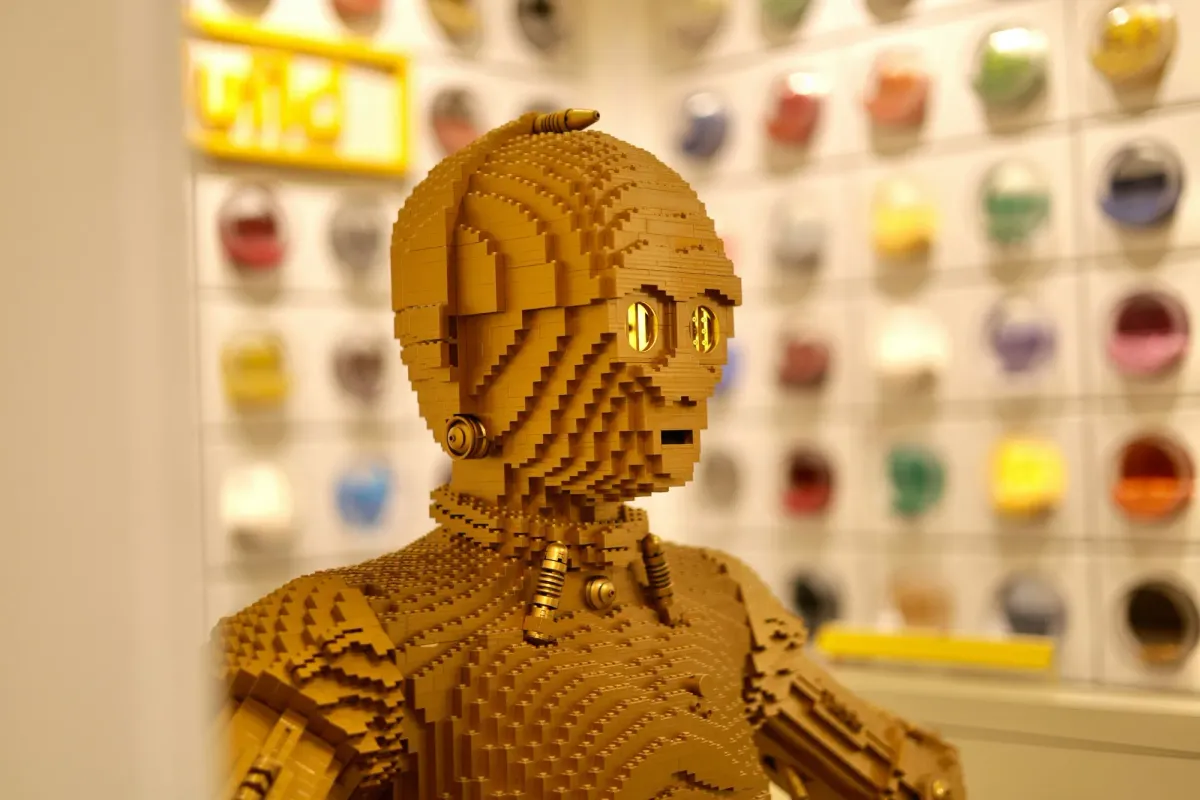
- LEGO. The birthplace of the legendary building toy is Denmark. The flagship store is on the pedestrian street Strøget. There you can find sets not sold in other countries.
- Royal Copenhagen porcelain. Famous blue and white tableware, hand-painted. An expensive but very prestigious gift.
- Sweets. Licorice is a favorite Danish treat. The brand Lakrids by Bülow makes chocolate-covered licorice that even those who couldn't stand it enjoy. Also, bring a tin box of Danish butter cookies.
- Alcohol. Akvavit (a caraway and spice-infused spirit) or a bottle of local Carlsberg or Mikkeller beer.
- Sweaters. A genuine woolen Scandinavian sweater with patterns – an item that will keep you warm for years and remind you of your trip.
Copenhagen is a city that teaches you to appreciate the moment and find beauty in simplicity. It might greet you with rain and wind, but it will warm you with its coziness and hospitality. It's worth visiting at least once to understand why Danes love life so much.