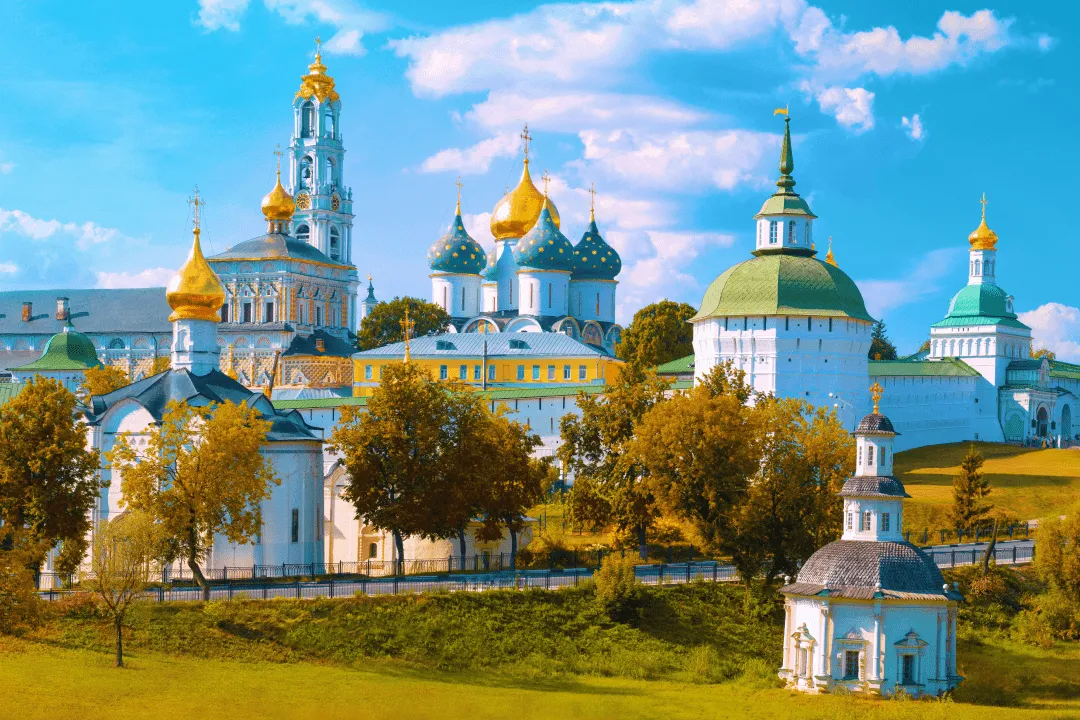
Vacation in Thailand: where to go, what to see
Thailand… The very word evokes the rustle of waves on golden sand, and you can almost physically feel your body filling with vitamin D. And if we put aside all these epithets and metaphors, let's just say: it's a cool destination for both wintering and vacation. Moreover, the rules for entering Thailand are more than simple; you won't even need a visa if you plan to spend less than 45 days there.
All that's left is to figure out exactly where to go and what to do there. Kupi.com will gladly help with this.

What's interesting in Thailand
Thailand is an excellent option for a reset. Here you can feast on fresh fruits, sunbathe on the beaches of two seas at once – the Andaman and the South China Sea, find zen in Buddhist temples, and escape the hustle and bustle in the jungle. All in all, it will be a great vacation (or wintering, as you decide).
There's a lot of interesting stuff in Thailand. This includes exotic cuisine, architecture unfamiliar to the Russian eye, and the country's overall charm. And, of course, there are some really cool locations worth seeing at least once in a lifetime.
Historical City of Ayutthaya (Ayutthaya)
It's literally two in one. The city is divided into two parts. Half of Ayutthaya consists of ruins, which are included in the UNESCO heritage list. They now look like a historical city park.
The second part is modern. Ordinary life goes on there, albeit with somewhat limited infrastructure. Ayutthaya doesn't have party bars or trendy restaurants, but it has something better – the remaining ruins of the ancient capital of the Siamese kingdom with temple complexes, palaces, and Buddha statues.
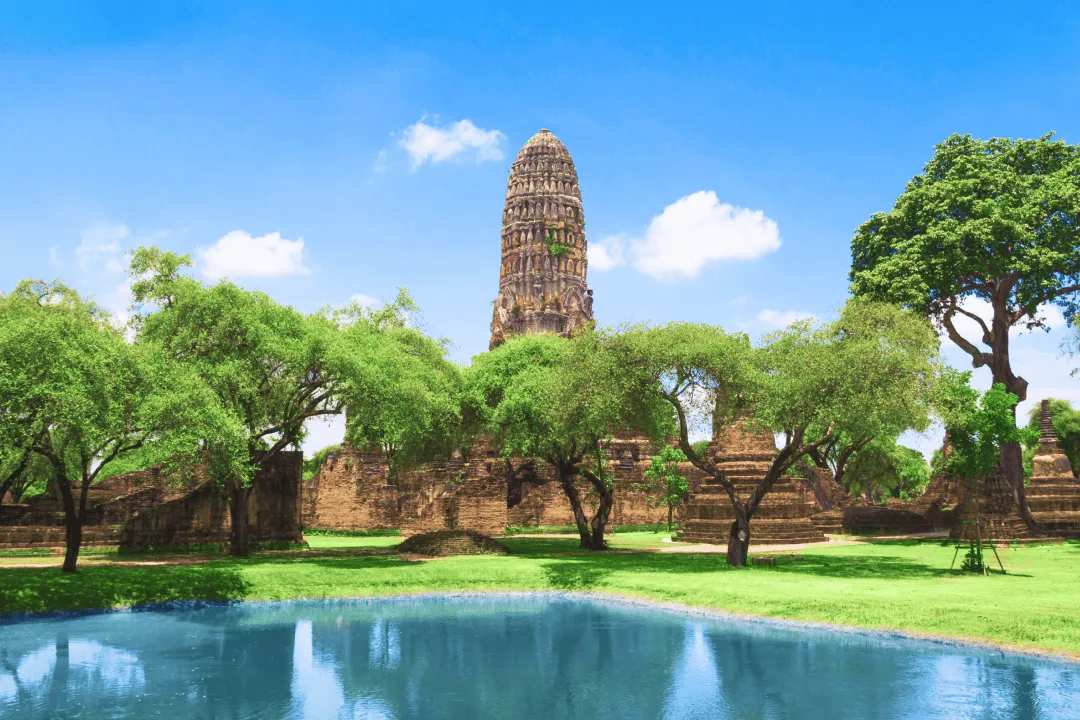
San Kamphaeng Hot Springs (Chiang Mai)
A location for those who care about their health (and rightly so). Here, on 40 acres of greenery, are hot water springs. Sounds very zen, wouldn't you agree? For taking thermal baths enriched with sulfur, San Kamphaeng offers separate rooms or pools. Plus, you can get a session of authentic Thai massage right here.
Cheow Lan Lake
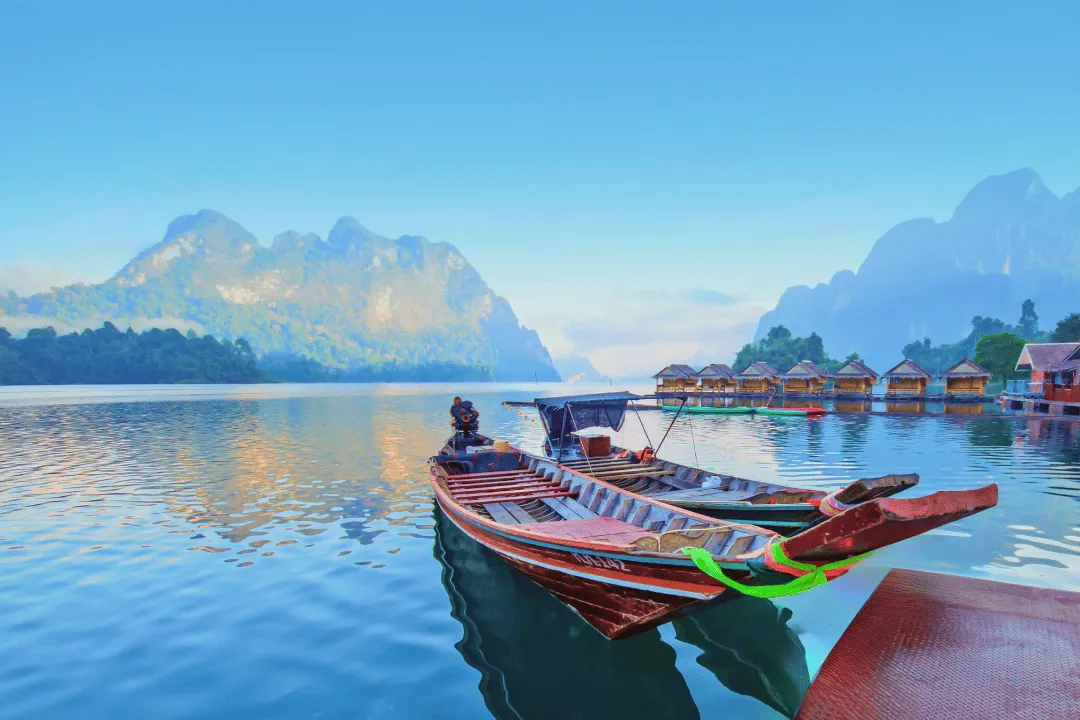
Khao Sok National Park is located about 160 km north of Phuket. In 1982, the Ratchaprapa Dam was built there by order of the King of Thailand. Now it has transformed into a very picturesque lake, surrounded by karst mountains and almost impenetrable jungles.
Be warned: there are no hotels or restaurants on the shores of Cheow Lan. However, you can stay overnight here. For this purpose, there are special floating houses – rafthouses – on the lake. But you should think about food in advance and bring provisions with you.
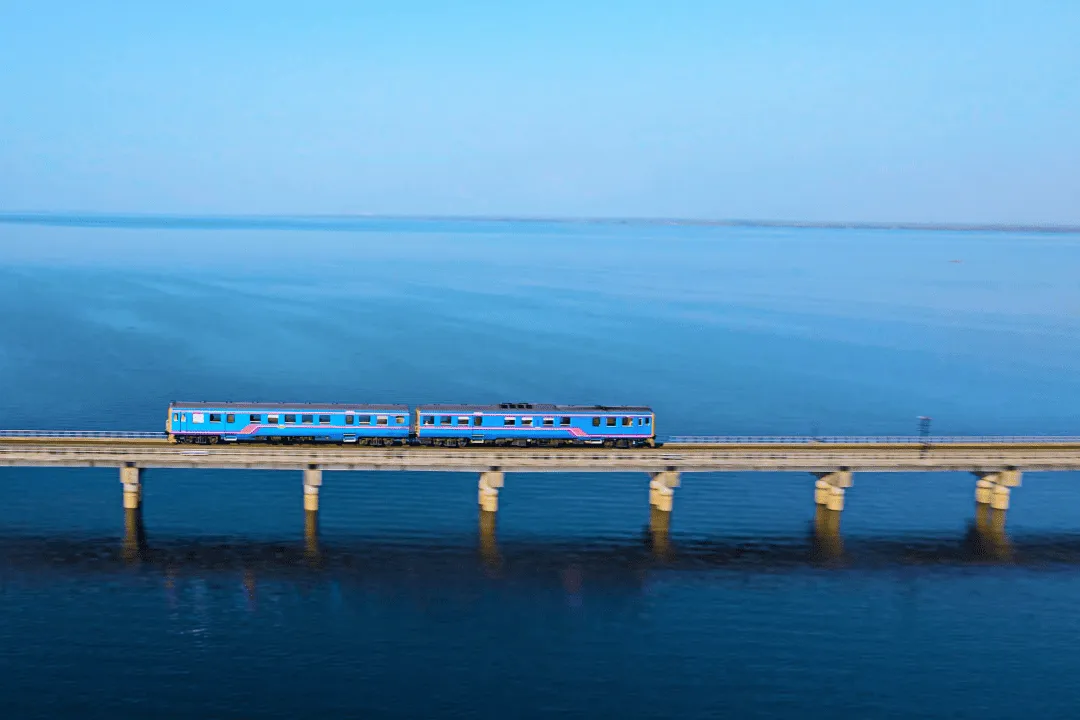
Pa Sak Jolasid
One of the most beautiful railways in the world. It passes through the largest reservoir in central Thailand. Trains stop here right in the middle of the reservoir. Therefore, travelers have the opportunity to get off at the most beautiful (but, to be honest, somewhat useless) station and take a couple of cool photos.
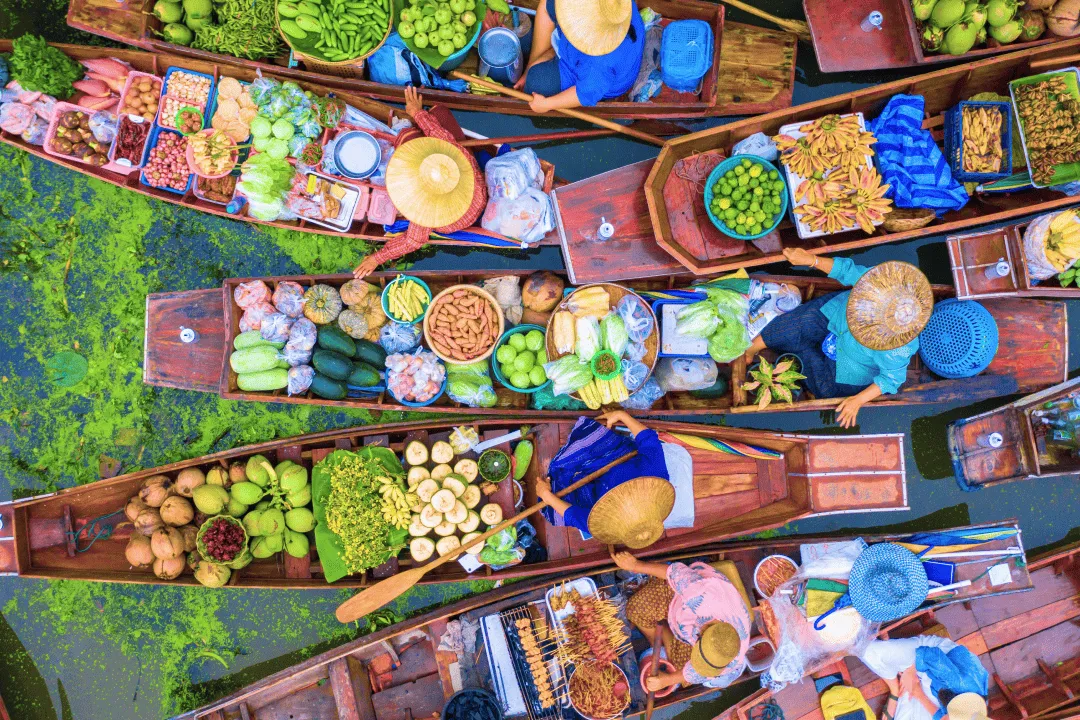
Damnoen Saduak
In Thailand's capital, Bangkok, there are interesting floating markets. True, they only look exotic to us, tourists. For locals, such things are commonplace, like shawarma stalls in St. Petersburg. The assortment of floating markets is very wide. Here you can literally buy everything – from clothes and jewelry to farm products and street food. As for Damnoen Saduak, it is a true Thai legend among floating markets. It is over a hundred years old, so fans of authentic places will definitely like it here.
The market operates from 7:00 to 16:00, but it's better to arrive between 7:00 and 9:00 – at this time, everything is geared towards locals, and prices are lower. Don't forget to bargain, as everywhere in Thailand. It works here.
White Temple: Wat Rong Khun
Thai sculptor, artist, and designer Chalermchai Kositpipat conceived and created this interesting location with his own money. Wat Rong Khun is located near the city of Chiang Rai. Travelers come here to see the play of light on the facades of the White Temple. And believe me, the views are worth it! In the sun's rays, Wat Rong Khun resembles the Snow Queen's castle or a sugar palace.
How to get there
You can fly from Russia to Thailand by purchasing a plane ticket. There are both direct flights to Bangkok and flights with a layover. The second option is usually cheaper, but the first is faster. Travel time from Sheremetyevo to Suvarnabhumi is approximately 9 hours and 10 minutes.
Documents and Visas
A trip to Thailand is already planned, which means it's time to think about entry documents. If you're flying for about a month and a half (or more precisely, for up to 45 days), Russians will only need a foreign passport (valid for at least another six months) and an immigration card. The latter is filled out upon arrival.
What if you plan to stay in Thailand's resorts for more than 45 days? In this case, you need to apply for a tourist visa. With it, you can stay in the country for up to 90 days (60 days without bureaucratic hassle and another 30 if you extend your documents at the immigration office). It is processed in advance at a visa center.
However, everything may change soon. Thai authorities are seriously considering increasing the visa-free stay for Russians to 60 or even 90 days. So, we're keeping an eye on developments and waiting for news.
How to behave
Let's talk about rules of conduct? Yes, yes, we know you're all adults and know what's allowed and what's not. However, there have been increasing cases of tourists being deported from Thailand for violating the country's rules of conduct. So, we'll be a bit pedantic, but we'll still remind you how to behave in Thailand.
Customs regulations:
– you can import only one liter of alcohol and one carton of cigarettes (approximately 200 pieces)*;
– you can carry a maximum of 20,000 US dollars in cash without declaration;
– the import of drugs, vapes, pornographic materials, and sex toys is prohibited.
Rules of conduct in the country:
– you must show respect for the royal family of Thailand (if anything, this is not just a tradition, but a real law, for the violation of which you can even go to prison);
– it is necessary to respect the local religion, its symbols, and temple ministers (Buddhism is preached here, and even images of Buddha are considered sacred);
– do not laugh at local superstitions (this is again related to religious aspects);
– try to avoid tactile contact with Thais, especially do not touch their heads (this can be considered an insult);
– smile, it is appreciated in Thailand.
Money
In Thailand, the national currency is the baht (THB in international classification). 1 baht equals 100 satangs. So, if possible, exchange your money for local currency immediately. If not, bring US dollars. The Thai baht is closely tied to its exchange rate. You can exchange them at special points easily recognized by the "Exchange" sign. The main thing is not to go to the first one you see, but to compare rates to get the best deal.
As for cards, Russian Visa, Mastercard, and Mir cards do not work here. But if they are Visa and Mastercard from foreign banks (Belarus, Kazakhstan, Kyrgyzstan), you can pay with them.
However, keep in mind that not every Thai resort has terminals. So, it's still better to carry cash.
Food and Alcohol
So, we've sorted out the money. Let's move on to the pleasant part: what you can spend it on. Eating well while traveling is fundamental. And in terms of cuisine, Thailand offers a variety of choices: fruits, exotic dishes, and unusual combinations.
Most important: not spicy. Even if you're used to eating spicy kharcho soup with jalapeño peppers, for local chefs, it will all be in the "not spicy" category. So, it's better to warn them in advance to add fewer spices.
A small life hack: don't judge local establishments by their appearance. Sometimes, the most delicious food will be found in a small and not very attractive eatery.
As for alcohol*, the scheme here is classic. Are you over 18? Then you can try Thai beer or even stronger options, such as fruit wine, rum, or brandy.
Connectivity and Internet
To stay in touch with family and friends, we recommend purchasing a local SIM card. It's best to do this at chain stores like Family Mart or 7-eleven (7/11). Sales points are even available at the airport.
What about operators? There are three options:
– DTAC — 3G and 4G work well in large cities and popular resorts, 2G can be caught in the mountains;
– AIS — internet works fine in large cities, but can be unstable in the south of the country;
– TRUE Move — 4G works excellently in the north of the country. Downsides: you might accidentally choose a less favorable plan.
What about Wi-Fi?
In major cities and resorts, there are no problems with it. Hotspots are everywhere: in clubs, cafes, and restaurants. Hotels also have it, but usually, it's only free in the lobby. To get Wi-Fi in your room, you'll have to pay.
Transport
What we want to tell you: it's tough for pedestrians in Thailand. There are simply no sidewalks, so we advise, firstly, to look around more actively, and secondly, to think about how to get around local cities.
One of the most common options is renting a scooter or a car
You will need a driver's license for this. Remember that internal Russian licenses are not valid in Thailand, so get an international one in advance. And don't forget about safety: buckle up in a car, and wear a helmet when riding a scooter. Oh, and one more important point: Thailand has left-hand traffic.
Option for those who can't drive — taxi
You can order a car using Grab and InDriver apps. While it may not be the cheapest way to travel, you won't have to worry about your driving skills.
Options for public transport enthusiasts
In Thailand, there are buses, electric trains, even subways and ferries. The latter, however, are not in all cities. In resorts, songthaews, tuk-tuks, and motorcycle taxis are common.
Resorts for family holidays
Samui
As it's also called, the resort of eternal summer. The nature here is stunning, the temperature comfortable. One caveat: there are practically no proper roads, and the infrastructure won't impress with innovative solutions. Overall, it's a quiet and rather peaceful resort that attracts travelers with Buddhist temples, beautiful parks, clean beaches, and waterfalls.
Samui will be especially appreciated by slow travel enthusiasts. However, it's not a cheap resort; it's considered a place for elite holidays.
Samet
Pros: proximity to Bangkok, developed infrastructure, good weather, a wide selection of hotels and hiking trails.
Cons: too close to Bangkok, which means there are many people here (both tourists and Thais). So, beaches can be crowded on weekends.
Chang
Palm trees, white sand, fabulous sunsets — in a word, RELAXATION! On Koh Chang, it's pleasant just to walk around; for activities, you can head into the jungle: there are waterfalls and great viewpoints.
The infrastructure here is developed: there are large hotels and the option to rent a tent. There are also many restaurants and cafes, so you won't go hungry. Among the unusual things here are night markets where food is sold. In general, it's perfect for lovers of midnight snacks.
Rayong
What do you need for a good family holiday? Comfortable beaches and good restaurants. Rayong has plenty of both. In addition to developed infrastructure, travelers are drawn here by picturesque locations and agricultural farms where you can visit with children. Plus, the province has preserved fishing villages and Buddhist structures that are also interesting to visit.
Resorts for active holidays
Phuket
What is Phuket famous for? Its beaches! The weather here can be described in two words: eternal summer. That's why remote workers love to come here.
Phuket is also a true paradise for water sports enthusiasts. Diving? Super! Surfing? Grab a board and catch a wave! If you can't swim, no worries. There are good beaches here where you can learn. For trekking and history lovers, Phuket has many unique monuments and national reserves.
What's important to consider? Seasonality and demand. From November to March, many people want to personally find out, what to see in Phuket, so there are many tourists here. Because of this, prices for accommodation, food, and souvenirs may increase.
Krabi
The province is located next to Phuket, but there are fewer visitors here. Therefore, prices are slightly lower, and the infrastructure is just as well developed. There are no fewer activities in Krabi: diving, snorkeling, trekking, and even rock climbing. In short, it's far from just a beach holiday.
Travelers are also attracted by the local karst caves and healing hot springs.
Tao
Despite its small size (only about 20 square kilometers), the island has long been loved by active travelers. And why not? Here they can enjoy trekking through green forests, diving and snorkeling near corals, exploring local attractions, and chilling on pristine beaches. In short, the full spectrum of recreation.
However, it's important to consider seasonality. It's best to visit Tao during the dry season, which lasts from January to May. If you're planning a trip in November-December, it's better to choose another resort: at this time, there are torrential rains and very strong storms here.
Similan Islands
The main feature of these places is diving. It's not just cool here, it's the best. There are many dive sites: for every taste, budget, and depending on the diver's skills. In these waters, you can see barracudas, blacktip reef and leopard sharks, parrotfish, lionfish, giant jellyfish, and stingrays.
The islands are part of a Marine National Park, so there is an entrance fee. For foreigners, it will cost 500 baht for an adult and 250 baht for a child. As for diving, it's also not free; you'll have to pay 200 baht per person.
Resorts for party-goers
Pattaya
Pros: there's a lot of entertainment here. Pattaya never sleeps: there's an active nightlife, many clubs and bars. You won't be bored during the day either: water parks and attractions are open.
Cons: there are a lot of tourists here. Moreover, the place is not suitable for beach holidays; it's not very clean. So, for swimming, it's better to go to neighboring resorts.
Phangan
The most youth-oriented resort. During the day, you can explore tropical forests, wild beaches, and the underwater world. And at night, you can let loose at local establishments.
By the way, parties and discos are often held on Phangan's beaches. Energetic tracks, exotic drinks, dancing. In short, cool, bold, and vibrant.
Cons: the infrastructure here is not the most developed, and the road to the resort is not short. So, frequent trips to the mainland of Thailand won't be feasible.
Bangkok
The capital of Thailand and the main treasure trove of nightlife. Bangkok is considered one of the world's nightlife capitals. We won't argue with that. We'll just warn you: you won't be able to sleep in Bangkok. There are so many clubs and bars here that it will take more than one night to visit them all. Plus, most of them are thematically scattered across different districts. For example, to try signature cocktails and cuisine in a luxury setting, head to Sukhumvit Road. If you like electronic music, then go to Khao San Road.
In general, the main thing is to decide what you want, and there will definitely be a choice here.
Resorts for secluded holidays
Chiang Mai
The city is considered the northern capital of Thailand, a favorite destination for local bohemians. Chiang Mai is located away from the sea, but that's for the best. Tourists don't visit here too often, which means you can truly escape the hustle and bustle. Numerous spa retreats, where relaxation combines with spiritual practices, yoga ashrams, and various luxury complexes will help with this.
Koh Samet
A small, but very cozy and quiet island in the Gulf of Thailand. There is practically no infrastructure here: only one village and a few hotels. Well, not exactly hotels… Mostly you can rent bungalows here. But what a connection with nature!
By the way, about nature. Koh Samet island is part of Khao Laem Ya National Park. So, the flora and fauna here are literally pristine. There are no casual tourists here. Simply put, for those who don't stay in local hotels, visiting the island is paid. In general, complete seclusion is guaranteed.
Koh Lanta
This island is like a two-faced Janus. It is literally divided into two parts: the bustling Lanta Noi, where locals live, and the quiet Lanta Yai on the west coast. The latter is what interests us.
Lanta Yai looks like a "Bounty" advertisement: white sand, azure water, an orange sunset, and not a soul around. What could be more beautiful? Only blissful idleness amidst all this splendor.
Phi Phi
Once upon a time, Leonardo DiCaprio himself hung out on these islands. Or rather, he worked. Here, in Maya Bay, the movie "The Beach" was filmed, which made Phi Phi famous worldwide. Despite its cinematic fame, the resort doesn't have crowds of tourists or luxury hotels. On the contrary, everything is quite quiet and cozy. So, for everyone tired of their working days, we prescribe lying under the warm sun and swimming in the gentle sea on Phi Phi.
What I want to say in conclusion: whatever kind of vacation you choose, the main thing is not to forget to buy souvenirs for friends and family. So, here's a list of things that will help answer the question "what to bring from Thailand?".
For those who have already traveled all over Thailand and want something new, but still Asian, we have compiled a great selection of places where to relax in Vietnam.
*Excessive consumption of alcoholic beverages and smoking are harmful to your health.
Have a great and healthy holiday, dear ones!