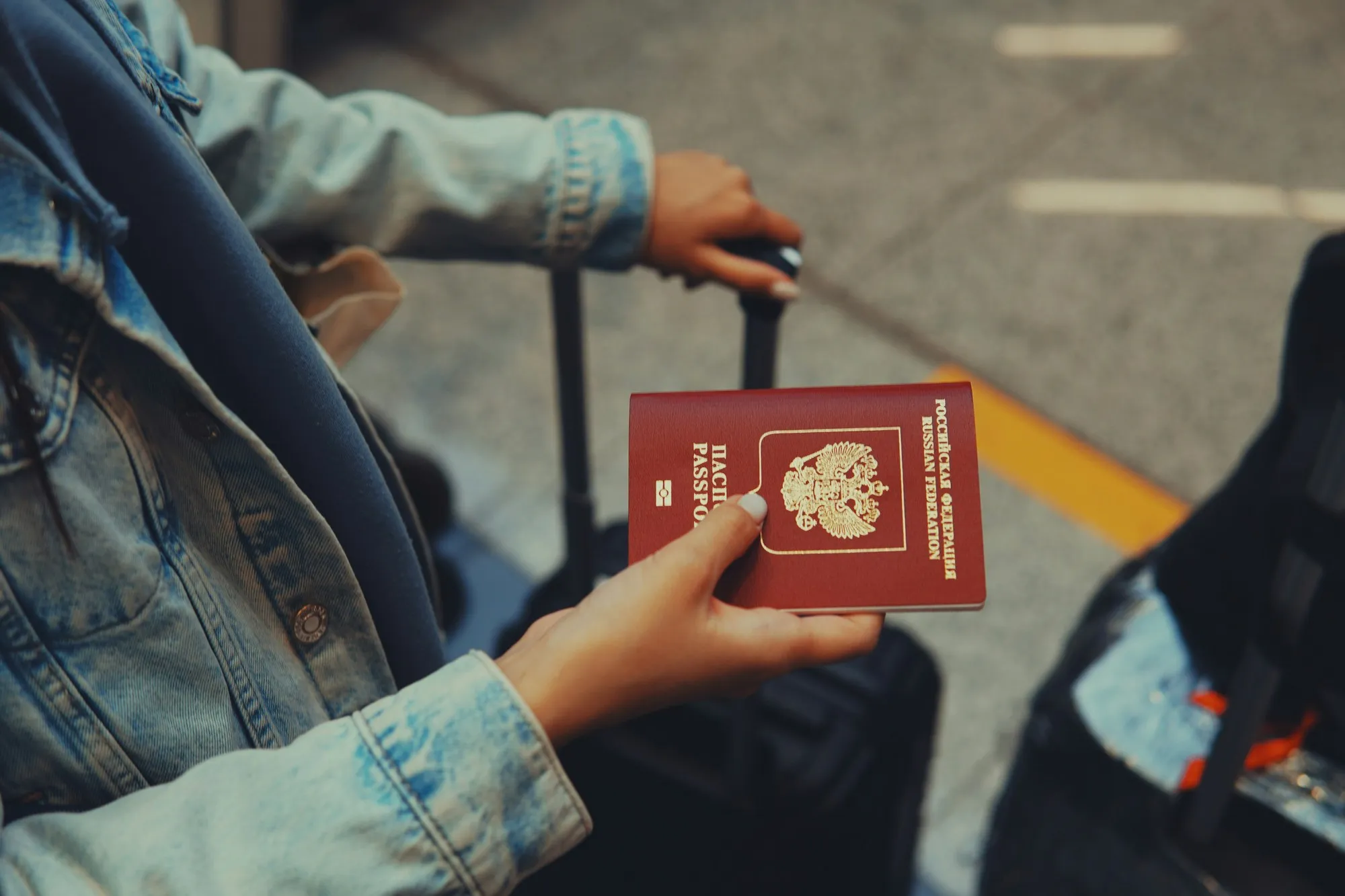
Traveling with Dual Citizenship
 Polina
Having two passports is not only freedom of movement but also a quest for attentiveness. For your trip to go smoothly without unnecessary questions from border guards, you need to understand the logic of using your documents in advance. If you are already planning your next vacation, it's time to buy tickets to Istanbul on Kupi.com or find affordable tickets to Belgrade, and we will tell you how to use them correctly.
The main rule: “enter with the same document you exit with”
This is the golden standard for travelers with dual citizenship. You should cross the border of each specific country as its citizen (if possible) or using the same document for both entry and exit.
How it works in practice:
In Russia: by law, citizens of the Russian Federation are obliged to cross the Russian border only with a Russian international passport. The use of a foreign document within the country is unacceptable.
In the country of your second citizenship: you enter and exit with your local passport.
In third countries: you choose the passport that makes entry into that country more convenient (e.g., no visa required).
Which passport to use when buying an airline ticket
When purchasing an airline ticket, it's important for the airline to know on what grounds you will enter the destination country. Therefore, it's best to enter the details of the passport that grants you the right to enter the final destination into the booking system.
Important nuance: if you are flying to Europe with an EU passport, specify that one. If you are flying to a country where you have a visa in your Russian passport, specify the Russian one.
If the data on the ticket does not match the passport you present at check-in, it's not a big deal. The airline employee will simply verify the presence of both documents and update the information in the system.
What to show at airport check-in
Check-in is a verification of your legality for the airline. They need to ensure that you won't be deported back at their expense.
At the check-in counter, confidently show both passports. This will resolve all questions about visas. You confirm: “I am legally exiting this country with one document, and legally entering that country with another.”
Passing border control
Here, it's important to follow the sequence and not get confused. Border guards of different countries are not connected to each other by real-time common databases; their task is to verify your status in a specific state.
Departure from Russia:
You present only your Russian international passport. The border guard does not need to know about your second citizenship, unless they have questions about the absence of a visa in your ticket. If the question “On what grounds are you flying to Paris without a visa?” does arise, you simply show your second passport as proof of entry rights.
Arrival in the destination country:
You present your second passport. To the local authorities, you are their citizen (or a holder of a visa-free document), and there is no need to show them your Russian passport.
Brief checklist for peace of mind
Check the validity periods of both passports. It would be a shame to get stuck at the border because of a document that expired yesterday.
Compare the spelling of your first and last names. Transliteration can differ in different languages (e.g., Alexei and Alexey). On the airline ticket, it's best to indicate the name as it is written in the passport for entry.
Do not keep passports in different places. At the airport, you might need them simultaneously several times.
Traveling with two passports is convenient if you remember that for each state, you remain primarily “their” citizen. Follow the logic of movements, and may your journey be easy!