Traditional Norwegian Cuisine: 10 Dishes and 3 Desserts
 Yasya
YasyaNorwegian cuisine is little known outside the country, unlike Italian or French, but it still has something to surprise you with. Like in many other countries, it was shaped by the local climate. There are no sharp flavors or elaborate combinations – typical Norwegian dishes are often seasoned only with oil, salt, and pepper, although forest motifs like lingonberries and juniper are sometimes found. What it certainly has in abundance, however, is fish and seafood. Let's find out what the cuisine of the northern seas can offer and what's worth trying during a trip through the fjords, for which you'll need Moscow – Oslo tickets.
Fiskeboller
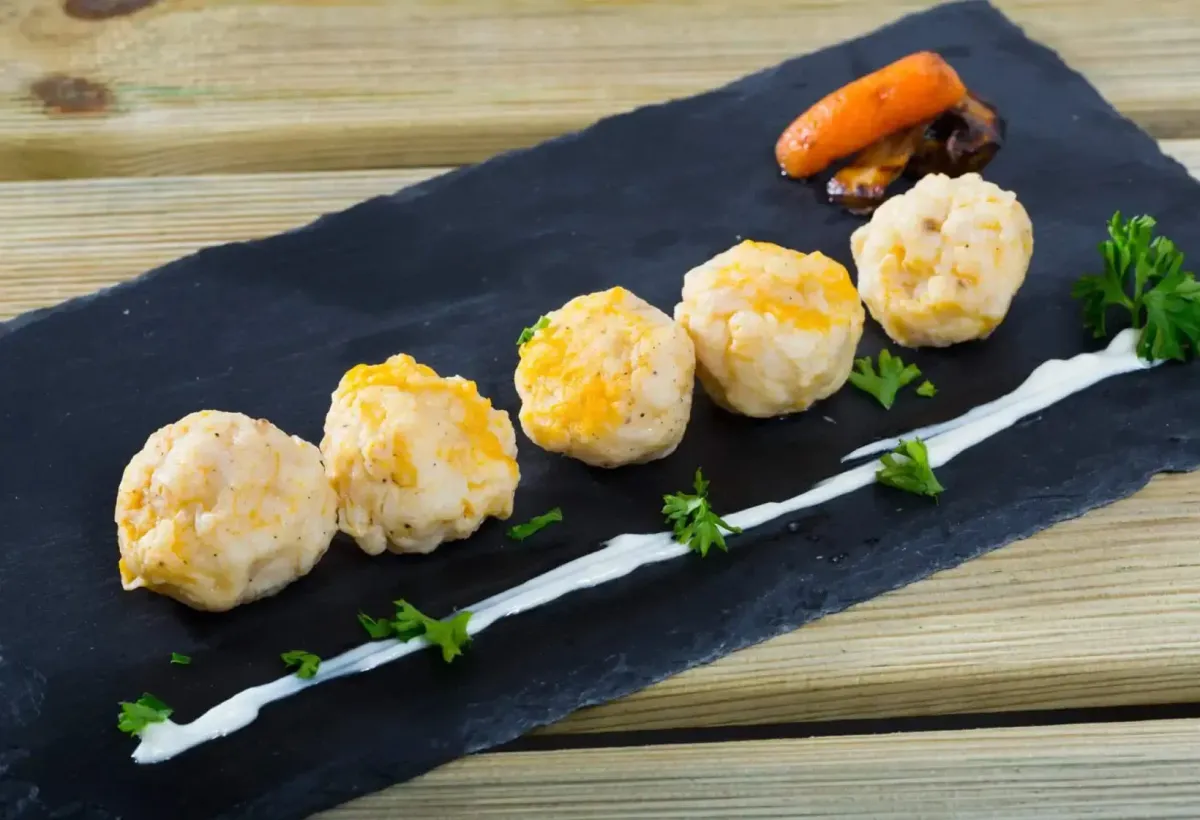
Simply put – fish dumplings. Traditional oval balls of fresh cod, served in a white nutmeg sauce similar to béchamel. Fiskeboller usually comes with boiled potatoes, crispy bacon, and grated raw carrots. More unusual, modern versions can also be found, for example, with Indian curry.
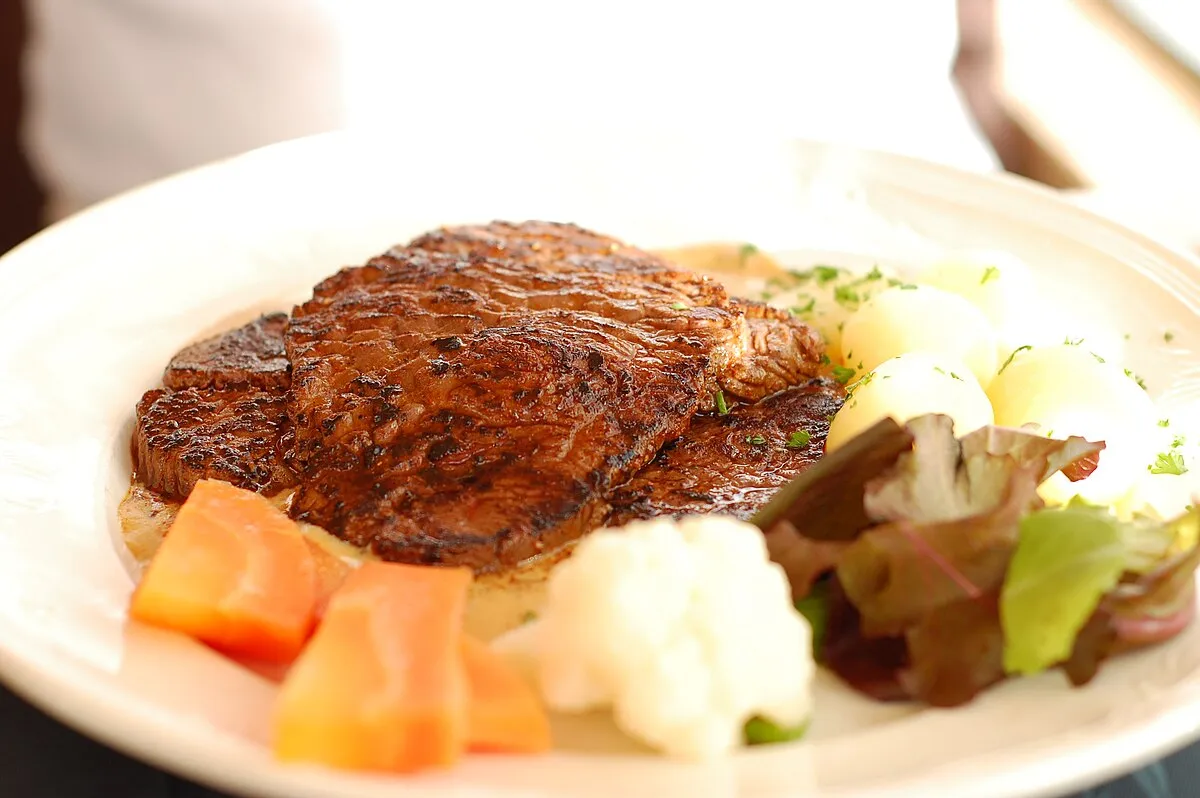
Whale Steak
The further north in Norway you go, the more often you'll find whale steak on the menu. Commercial hunting of minke whales is permitted in Norway. Whaling in the country is strictly regulated: there are about 100,000 whales in Norwegian waters, and the annual quota allows no more than 1,300 individuals to be caught.
For many years, the meat of this species was a staple food for Norwegians, especially during periods of game scarcity. Today, it can be found in many restaurants across the country and at port markets. The dish is called steak because its taste is more similar to that of land animals than fish.
Salmon
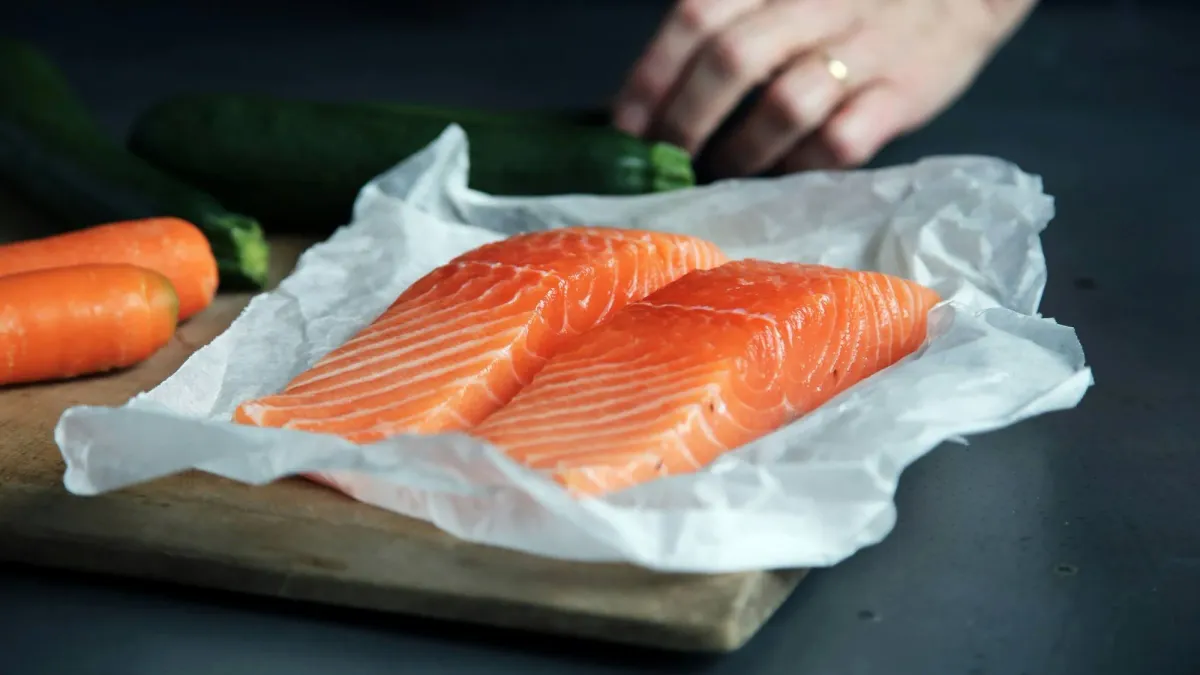
In the 1970s, Norway pioneered the farming of this fish. Today, salmon raised in Norwegian fjords is considered the best in the world and is supplied to over a hundred countries. Salmon can safely be called the king of Norwegian cuisine: here it is eaten for breakfast, lunch, and dinner, in all forms – fried, boiled, smoked, and cured. The most common option is smoking. Another popular dish is gravlax: fish marinated for several days in a mixture of salt, sugar, and spices.
Tørrfisk
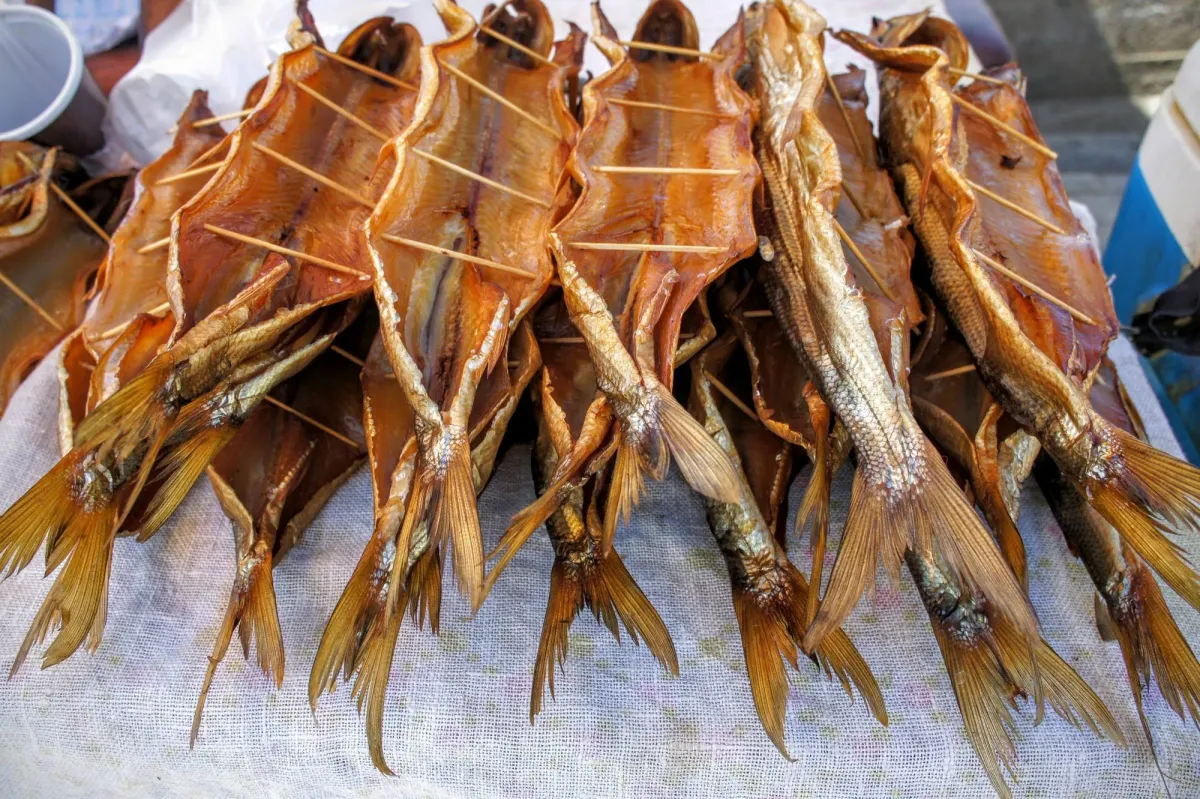
Tørrfisk is fish, usually cod, dried in the sun and wind. This Norwegian method of preparation has been known since the 12th century. It gained the most widespread use in the Lofoten Islands and the Vesterålen islands in the north of the country. In fact, the word “torsk” (cod) itself originated from the Old Norse “turskr”, which in turn meant dried fish. Tørrfisk played a crucial role during Viking expeditions: it was taken as provisions on long sea voyages.
King Crab
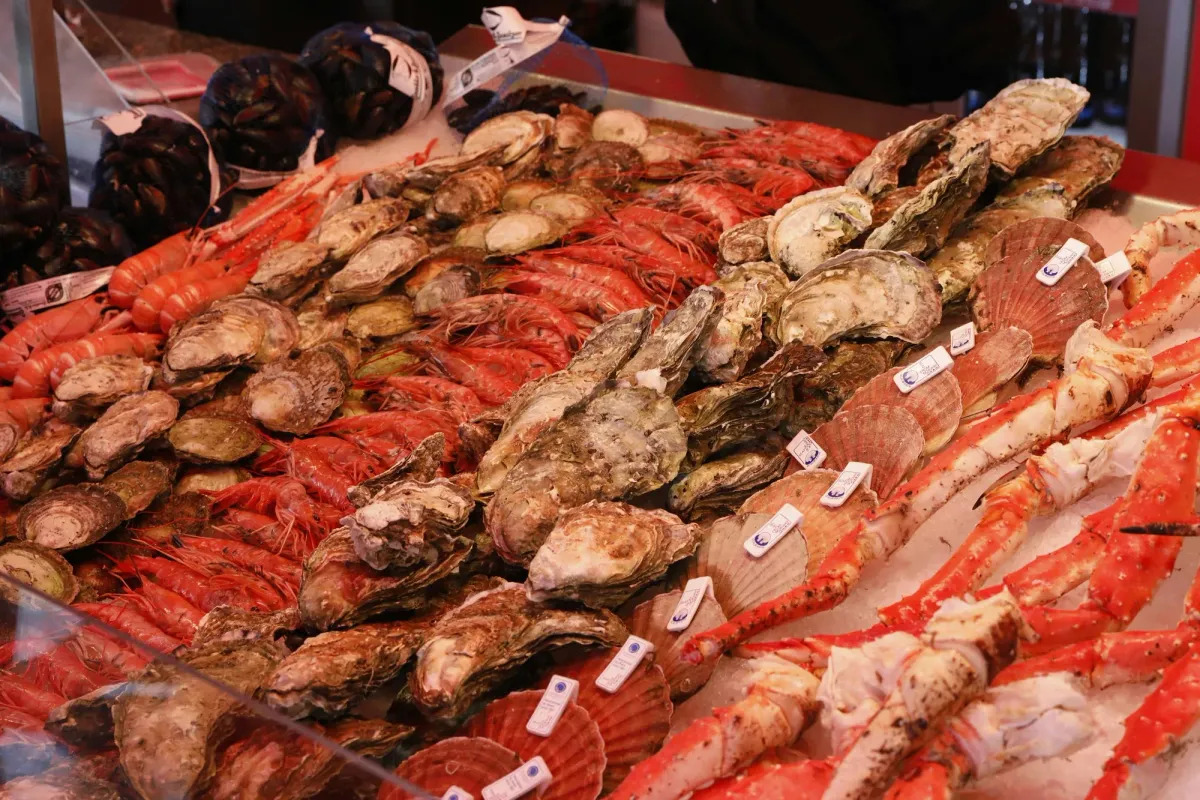
Along Norway's long, winding coastline, king crabs are often found. Their weight sometimes reaches up to 10 kg! In some areas of Northern Norway, crab fishing excursions are arranged for tourists: they catch them themselves, and then eat them themselves. Mainly the claws are eaten, because there is practically no meat under the shell. Another recipe for crab meat is canapés with vegetables on skewers.

Kjøttkaker
These meatballs are dearly loved by Norwegians. In shape, they resemble something between cutlets and classic round meatballs – slightly larger and more elongated into an oval. This is a typical Norwegian dish, simple and delicious. Kjøttkaker is served with sauce, boiled potatoes, carrots, or green peas. In restaurants, it might be presented as something exquisite, but Norwegians themselves easily prepare kjøttkaker at home.
Beef is usually used, but sometimes pork or lamb is also used. The minced meat is mixed with wheat or potato flour, breadcrumbs, milk, and an egg. Seasonings are standard – salt and pepper, although chefs also like to experiment.
Lapskaus
A traditional Norwegian stew made from beef or lamb, root vegetables, and herbs. There are also variations with pork and ham. Carrots, onions, and celery are essential vegetables, and everything should be served with bread. Like any other stew, the recipe is not too strict: preparation and ingredients vary depending on possibilities and preferences. The main thing is to preserve the essence of a warming winter stew.
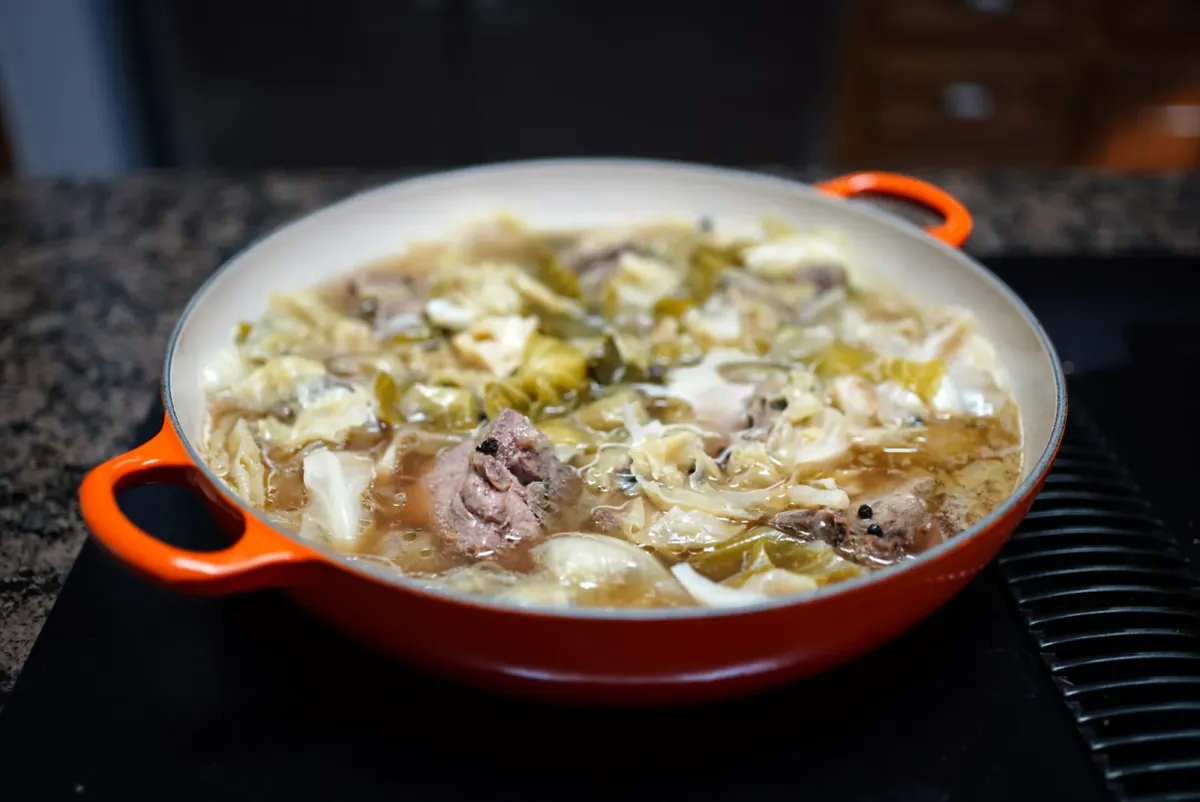
Fårikål
Another version of stew, but this time with lamb and cabbage. Like lapskaus, it is also popular during the cold autumn and winter months. Many consider fårikål the national dish of Norway and even hold a festival in its honor at the end of September. This recipe originates from Vestlandet, a region on the Atlantic coast, but it has long since spread throughout the country. The main ingredients are lamb and cabbage. Add some boiled potatoes, and the dish is ready.
Sodd
If you want to get acquainted with traditional Norwegian soups, try sodd. This is a meat soup with potatoes and carrots, served both on ordinary days and for special occasions. Traditionally, it is made with lamb or beef meatballs. If you visit Norway in winter, sodd is an excellent option for a hot lunch after a cold walk.
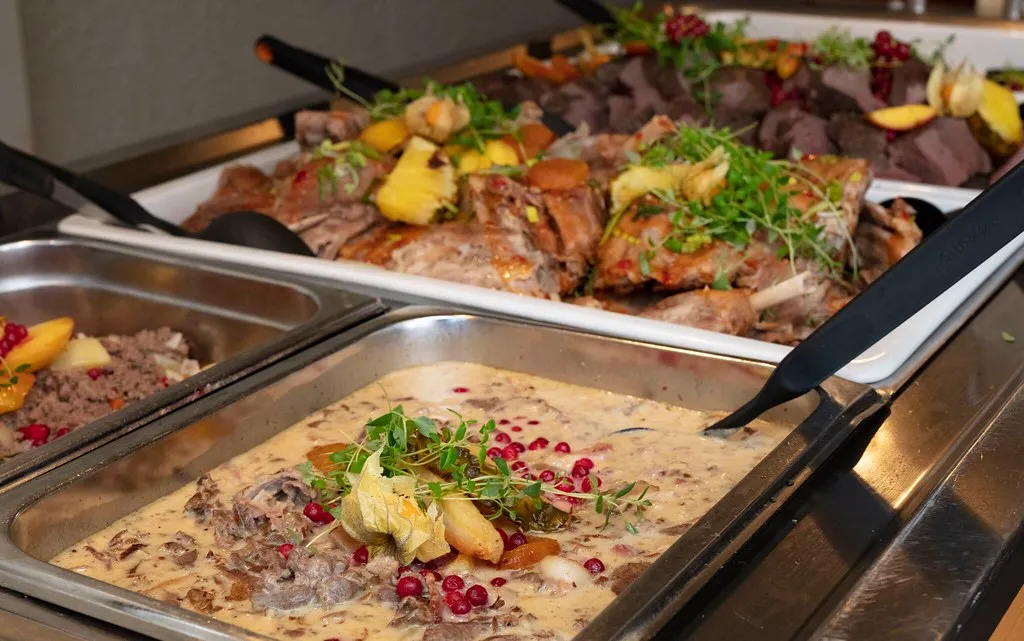
Finnbiff
Finnbiff originates from Lapland, a famous region spanning Norway, Sweden, and Finland. And yes, this is another version of stew, but this time made from reindeer meat. What might seem exotic to other countries is quite common in Scandinavia, so don't miss the opportunity to try this dish in Norway. Finnbiff includes mushrooms and lingonberries, making the palette of northern flavors even more diverse.
Lefse
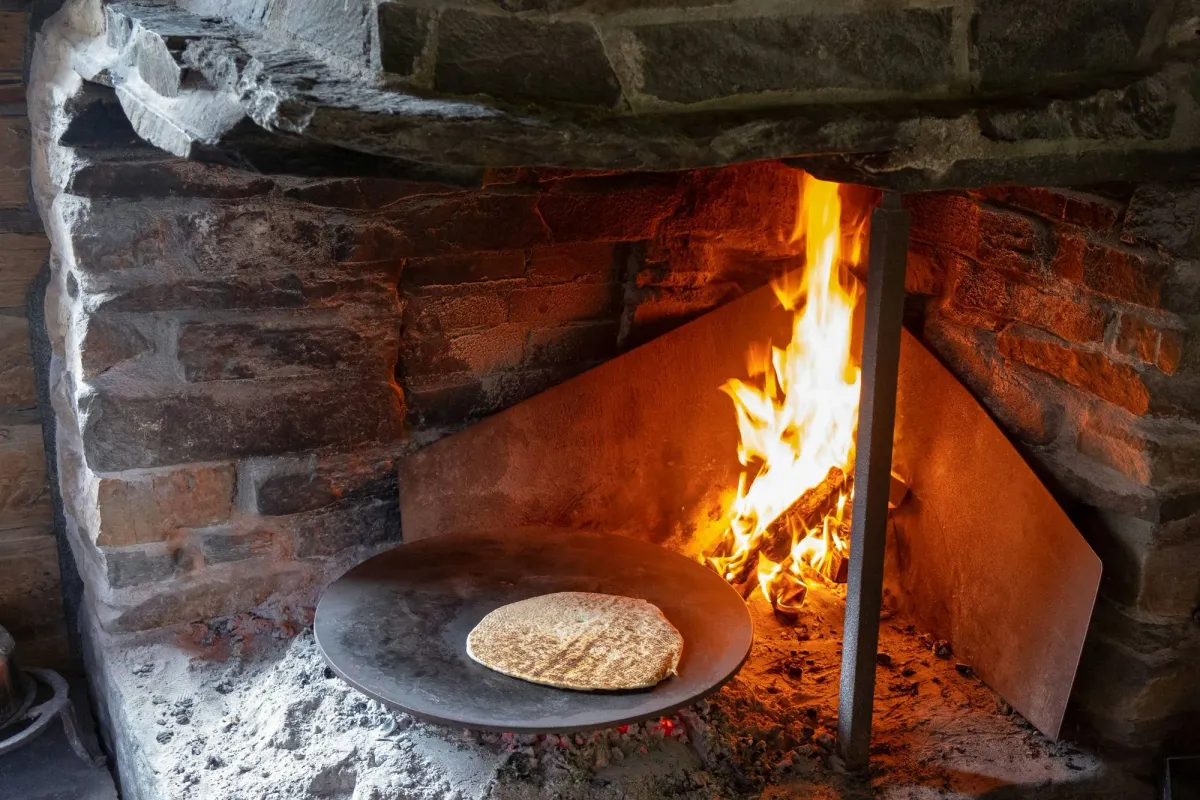
This simple flatbread is traditionally baked for holidays, such as Christmas and New Year, or for weddings, although the preparation method and ingredients may vary slightly. First, the dough is kneaded, divided into small portions, formed into small balls, then rolled into a flat pancake and fried on a large griddle. The dough is made from flour, potatoes, butter, and milk or cream. The finished flatbreads are rolled up and eaten. If you prefer a sweeter version, try tinnlefse. It's the same flatbread, but with butter, sugar, and cinnamon.
Krumkake
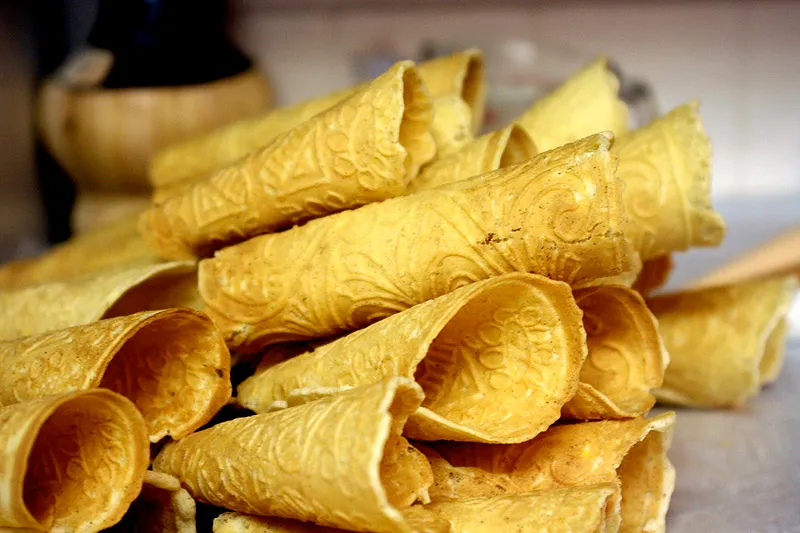
Norwegian krumkake are crispy, sweet, rolled wafer cookies traditionally made for holidays in Norway. A special mold, similar to a waffle iron, is used for baking. Its walls are decorated with a pattern that is transferred to the finished dessert. Today, krumkake are baked in various shapes depending on their purpose. For example, tubes and cones can be filled with cream – making them even tastier.
Skolebrød or Skoleboller
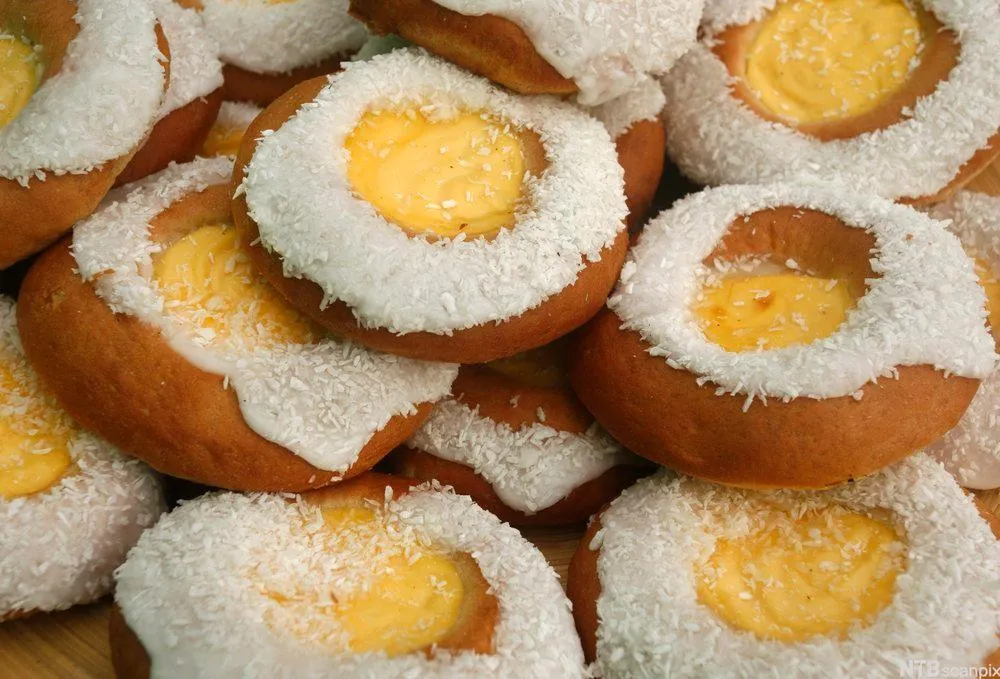
A classic bun that students make for school fairs. It resembles a filled donut and is made as follows: buns are formed from sweet yeast dough, filled with delicate vanilla cream, and baked. Then the surface is covered with icing and dipped in shredded coconut. Not very Nordic, but very delicious!