Tipping Around the World: Where to Leave a Tip and Where Not To
 Yasya
YasyaThe world is divided into two types of places: in some, a tourist will be chased down the street to return an extra cent, while in others, they will block the exit from a restaurant if “only” 15% was left. To avoid awkward situations, not fend off insistent demands, and not overpay where it might offend hosts and staff, we recommend checking this cheat sheet on gratitude etiquette. We'll tell you where it's appropriate to pull small bills from your wallet, and where you can leave the exact amount and move on with a clear conscience.
North America: The Relentless Cult of Service
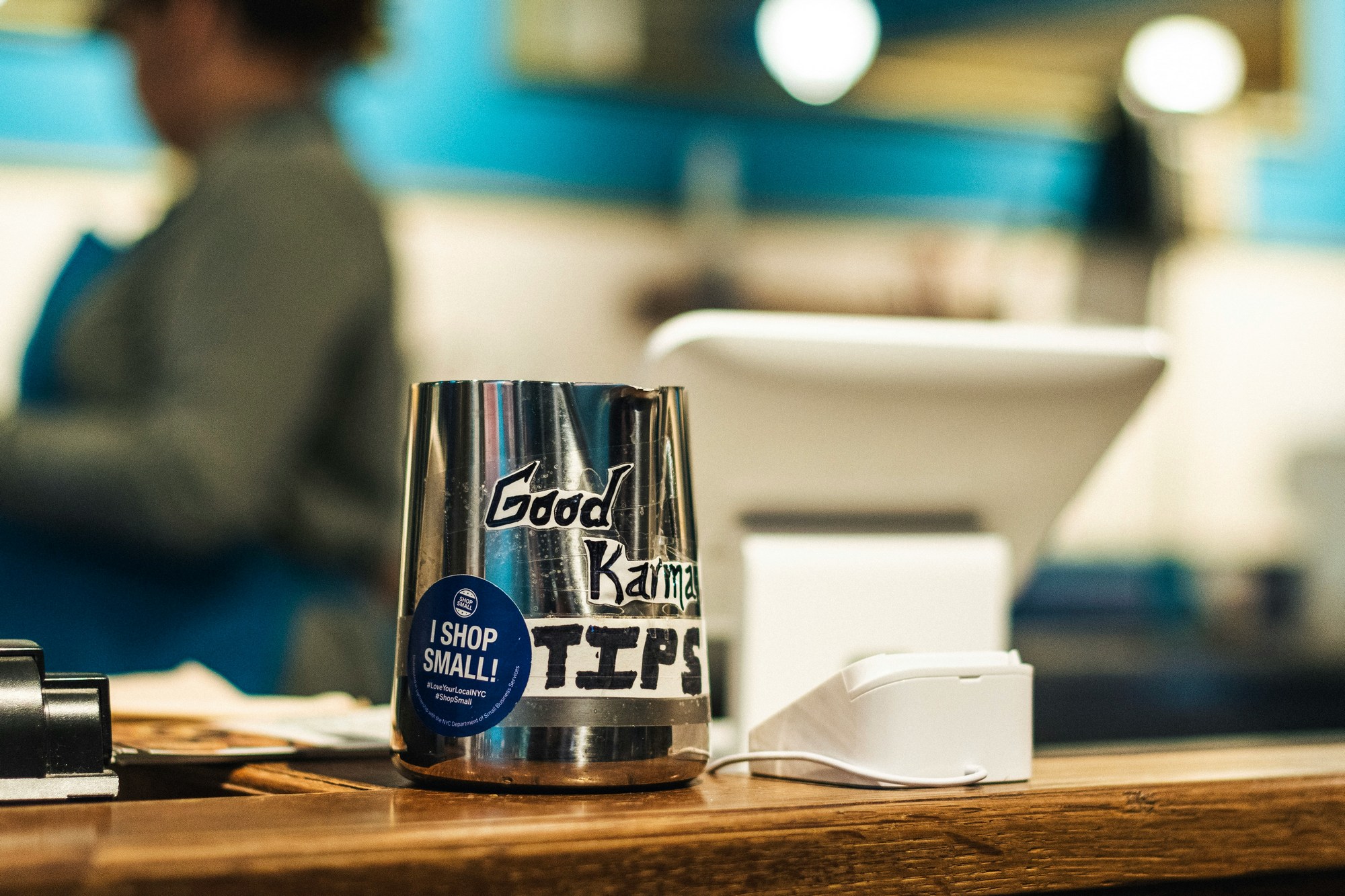
In this part of the world, tips are not a pleasant bonus, but a fundamental part of the service industry. Waiters often receive a minimum wage, and their main income is formed precisely from additional money left by customers beyond the bill.
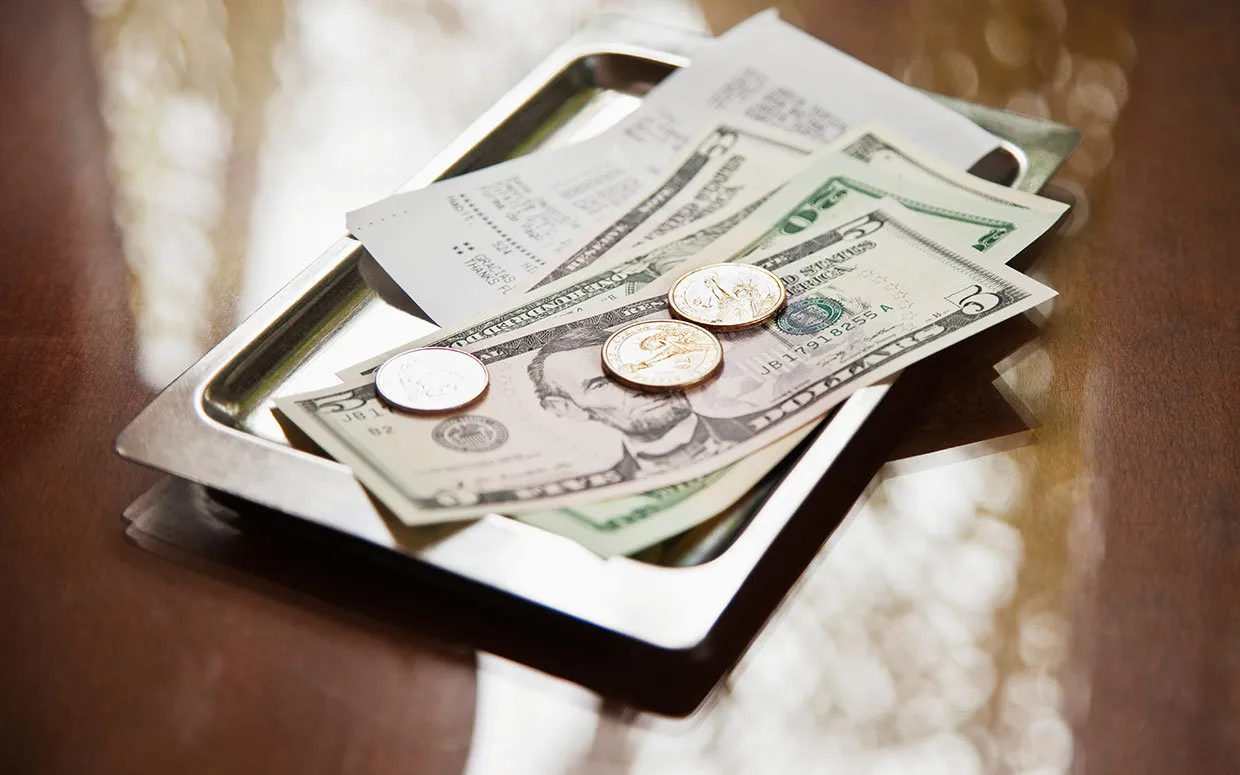
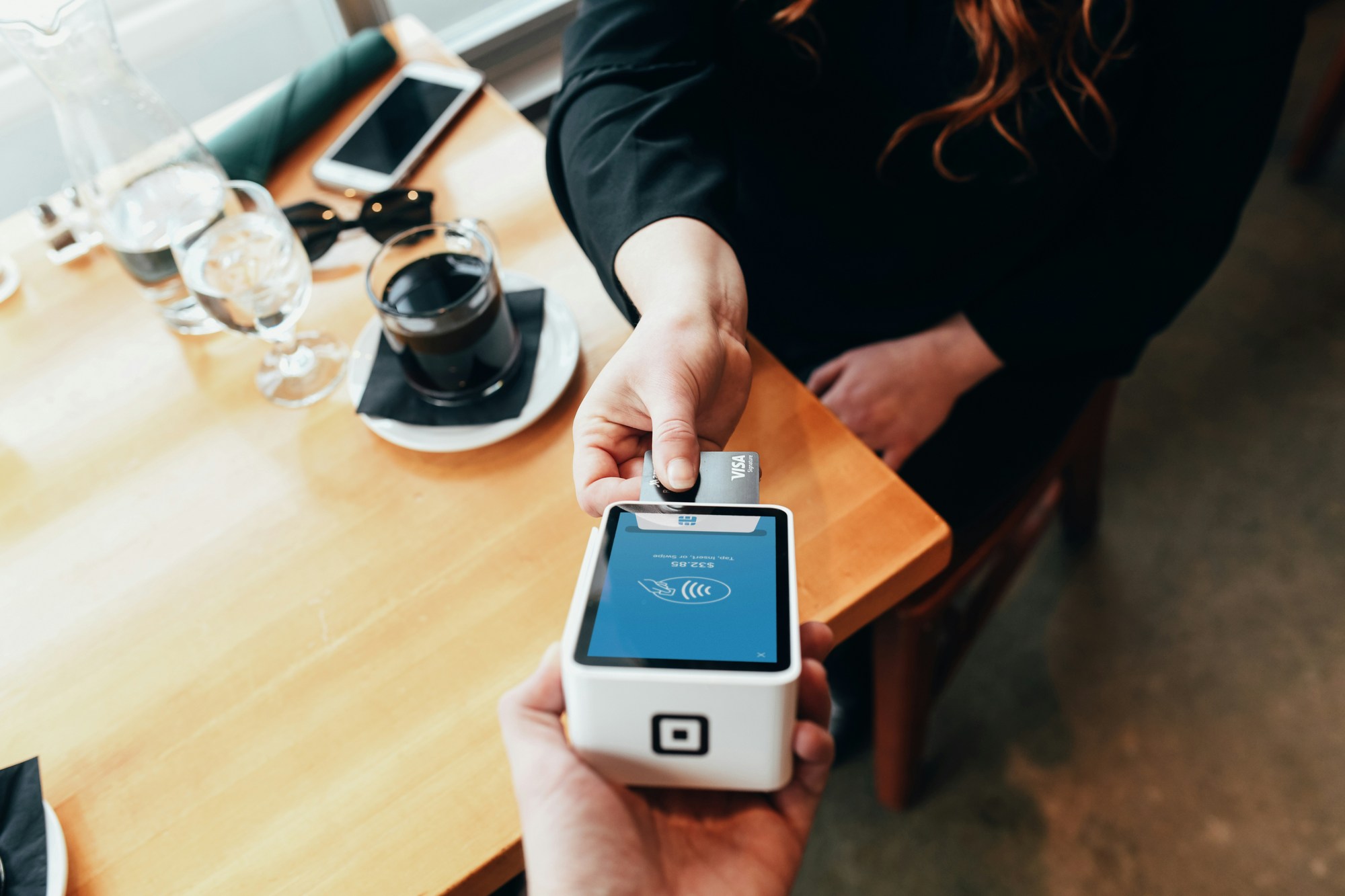
USA and Canada: The strictest regulations in the world apply here. The gold standard today is 18-22%. If the service was acceptable, 18% is left; if excellent, 20% and above. Leaving less than 15% is like shouting “your service is terrible!” out loud. In bars, it's customary to give $1-2 for each drink ordered directly at the counter: this guarantees faster preparation of the next cocktail. In hotels, $2-5 is given to doormen for calling a taxi, and the same amount is left for housekeepers for cleaning. It's best to place the money on the nightstand with a note “Thank you”. Even in self-service coffee shops, the payment screen will offer a tipping option, and your indignation will certainly not be appreciated by the barista.
Mexico: In restaurants, it's customary to leave 10-15%. It's worth carefully checking the bill: in popular tourist areas, a line for «propina» (tips) is often included. If it's present, no additional tipping is required. At gas stations, it's customary to give a small amount (5-10 pesos) to the attendant, and in supermarkets, to the staff who bag groceries.
If you are among those with an American visa, you might find tickets to New York or Los Angeles with a layover in Istanbul – it's a time-tested and reliable intermediate hub.
Europe: A Diversity of Traditions
In Europe, service industry staff are protected employees with stable salaries, so tips here are a gesture of goodwill, not a means of survival.
Italy: The concept of «coperto» is widespread. This is a fixed charge for table setting (tablecloth and bread), ranging from 1.5 to 4 € per person. Additional tips (servizio) may be included in the bill at 10%, but this is rare. If the service line is absent, simply rounding up the bill is sufficient. General principle: if you drink coffee at the bar counter, tips are not required, but when ordering at a table, the price may increase due to service.
France: Bills usually state «service compris» (service included). Leaving large sums is not customary; it's more often small coins – «pourboire». Leaving 5-10 € in an expensive restaurant is considered a sign of high appreciation for the chef's skill.
Germany and Austria: The tipping culture here is called «Trinkgeld». It's customary to leave 5-10%, and money is never left on the table. When paying, the total amount including the tip is stated immediately. If you simply hand over the money and say nothing, the staff will count out the change to the cent.
Spain and Portugal: The attitude towards tipping is very relaxed. In bars, leaving a few coins is enough. In good restaurants, 5-10% of the bill is considered normal. If you're planning a trip to the Pyrenees, you can always find tickets for the Saint Petersburg – Madrid route or Lisbon with a convenient layover in Belgrade.
Greece: In tourist areas, tips are welcome and amount to 10%. In village taverns, rounding up the amount is often sufficient. It is recommended to check the bill for service charges and bread.
United Kingdom: In most restaurants, 12.5% for service (Optional Service Charge) is automatically added to the bill. If there's no charge, it's customary to leave 10% in cash. In pubs, when ordering at the bar, tips are not mandatory.
Czech Republic and Hungary: In Prague and Budapest, 10% is considered the norm. In Hungary, you should look for the word «Szervizdíj» (service charge) on the bill. In Czech pubs, it's customary to round up the bill to the nearest ten.
Scandinavia: Norway, Sweden, Iceland, Denmark
These countries have some of the highest salaries in the world, so tipping is an option, not an obligation. In restaurants, everything is already included in the price of the dishes by default. Rounding up the bill is the most you're expected to do as a polite gesture. In Sweden, many places don't accept cash at all, and terminals don't always have a tipping function.
Middle East and North Africa: Baksheesh
In Arab countries, tips are called “baksheesh,” and it's a complex social mechanism demonstrating status and respect. Baksheesh opens doors, speeds up processes, and guarantees the best table.
Egypt, Morocco, Tunisia: Baksheesh is the key word in the entire tourism sector. Porters, cleaners, people who show directions – everyone expects a small coin. Even a guy hanging around attractions who knows “the best photo spot” will ask for baksheesh for his “service.” In restaurants, the norm is 10-12%, even if “service included” is written. When hiring a guide or driver for the whole day, it's customary to pay an additional $10-20 at the end of the trip. In hotels, it's appropriate to leave $1-2 for the housekeeper, waiters in bars (including All Inclusive hotels), and staff who hand out towels on the beach: by the third day, they will remember you and specifically “reserve” the best sun loungers under an umbrella for you.
UAE: In Dubai, service is often automatically included in the bill (10%), but municipal fees are added to it. In upscale restaurants, it's customary to leave an additional 5-10% “from yourself.” In taxis, it's customary to round up the amount to the nearest 5 dirhams. Valet parking attendants also expect baksheesh – 5-10 dirhams.
Qatar and Oman: Etiquette is similar to the Emirates, but the rules are less formal. Tips are not mandatory, but 10% in a restaurant is perceived as a sign of good manners.
Lebanon and Jordan: In restaurants, it's customary to leave 10-15%. In Jordan, especially when visiting attractions like Petra, it's customary to give baksheesh for any small help. It is recommended to keep small bills in a separate pocket.
For those planning a trip, you can always buy tickets to Dubai on Kupi.com or Casablanca to experience the hospitality of the region.
Asia: Difference in Mentality
Asia is a region with contradictory rules, where the same gesture can evoke different reactions in different countries.
Japan: Tipping here is taboo. It is believed that good work is a direct duty that does not require extra payment. Money left on the table may be attempted to be returned, considering it forgotten. This can be perceived as an insult.
South Korea: The situation is similar to Japan. Tipping is not customary in regular cafes. In large hotels, a service charge may be included in the bill, but money should not be given directly to staff.
China: Officially, tips are not welcomed. The only exceptions are guides and drivers of tourist groups. In Hong Kong and Macau, 10% on the bill is the norm.
Thailand: In tourist areas, people are accustomed to tips. In restaurants, it's customary to leave about 10% if there's no “Service Charge” line on the bill. You should never leave tips in coins – this is considered a sign of disrespect.
Vietnam: Tips are not mandatory, but in large cities, 5-10% in a restaurant will be a pleasant bonus. In spas, it's customary to leave $2-5.
Sri Lanka: On the island, tips are expected for almost any service. In restaurants, a 10% charge is usually included, but it's customary to give an additional 100-500 rupees to the waiter. Housekeepers and porters should also be given small bills.
India: Here, tips (the same baksheesh) are part of everyday life. In restaurants, it's customary to leave 10%, and it's also customary to give 50-100 rupees to hotel staff for small services.
Indonesia (Bali): Bills often include 10% for service and 11% tax. If there is no service charge, 5-10% for the waiter would be appropriate.
For a trip to the region, it's convenient to buy tickets to Bangkok on Kupi.com, and then travel by local airlines.
Australia and New Zealand: Total Comfort
In Oceania, there is a high minimum wage law, so staff do not depend on tips. Tips here are exclusively a bonus for outstanding service. In restaurants and cafes, you can safely take all your change. In high-end establishments, leaving 10% is considered good manners, but it is not mandatory. When paying by card, refusing to enter a tip on the terminal is socially acceptable. In taxis, it's customary to round up the amount to the nearest dollar. In bars, tips are not accepted: payment is strictly according to the price list.
Nuance: On holidays, many establishments introduce a 10-15% surcharge (Surcharge). In this case, additional tips seem excessive.
Brief Checklist for Travelers
Check the bill: It is recommended to look for the words Service Charge, Tip, Gratuity, or Coperto.
Small change: For countries with a baksheesh culture, we recommend exchanging large bills for small ones of $1-2 in advance, to “scatter” money here and there.
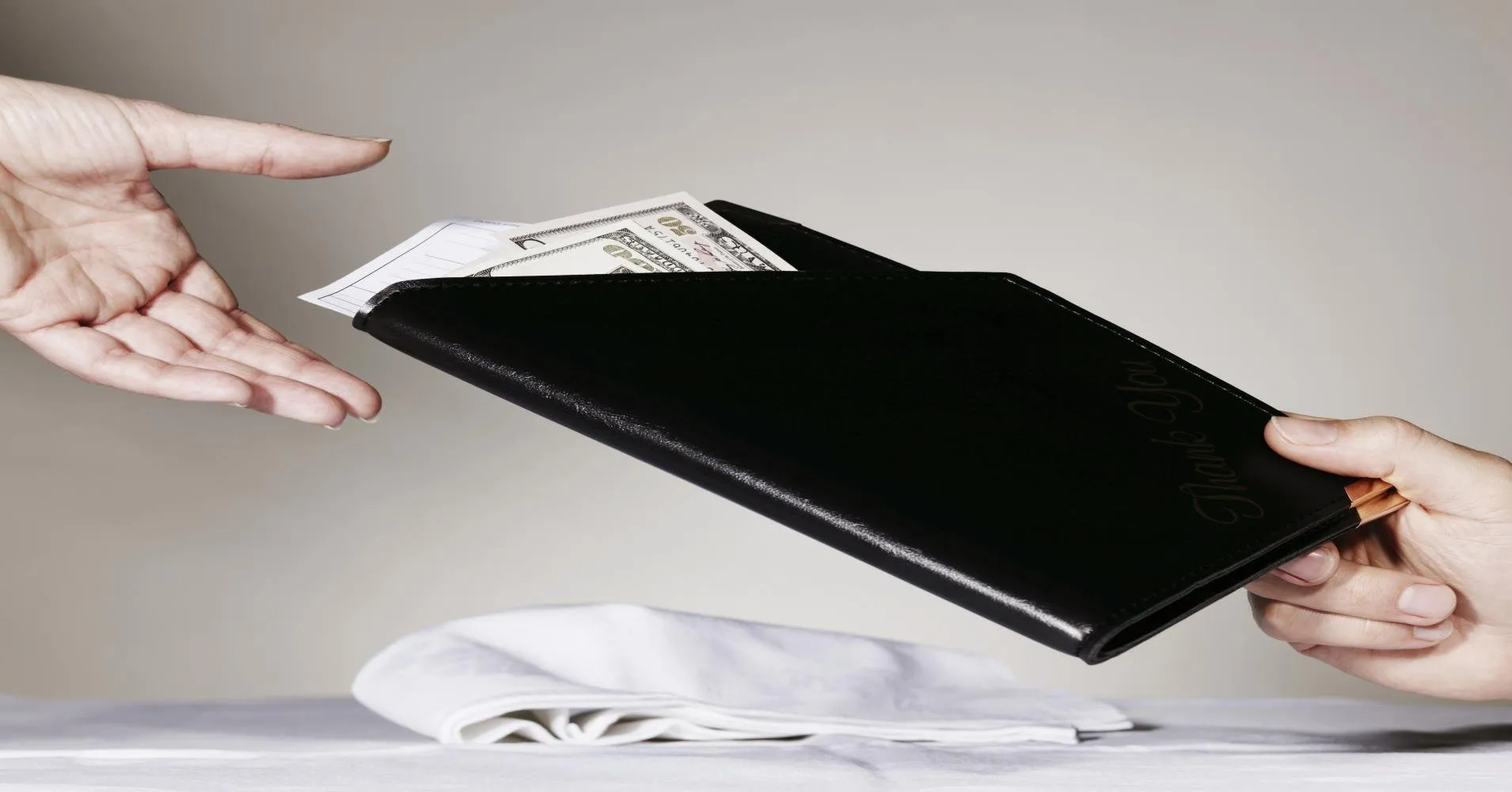
Method of giving: In Europe and America, it's better to leave money in the bill folder.
Transport: Almost everywhere (except Japan and Korea), it's customary to round up the taxi fare.
Tips are a personal “thank you” in monetary terms. It is recommended to travel with pleasure, remembering that sincere gratitude in the local language is sometimes valued more than any coins.