Real Stories: How Quarantine is Going in Other Countries
You can't see the world sitting at home, but it's so interesting what's happening abroad! We've collected several stories from residents of other countries about quarantine. In general, conditions are similar everywhere, but people react to it differently.
Torrevieja, Spain (Andrey, photographer)
I live in Torrevieja – it's one of the most popular resort towns among the Russian-speaking population. Accordingly, there are a great many compatriots living and working here. There are Russian shops, cafes, bars, restaurants, beauty salons, real estate agencies, and so on.
Quarantine was introduced on March 14 (initially for 15 days). Beaches, restaurants, and almost all public leisure places are closed. Going out into the city is allowed only individually and only to a shop, pharmacy, work, or to walk dogs. Fines (from 100 to 30,000 euros) have been introduced for non-compliance with orders, and streets are patrolled by the police. However, there is no panic in the city. There are individuals among local bloggers who try to stir up something similar, but then they disavow their own words.
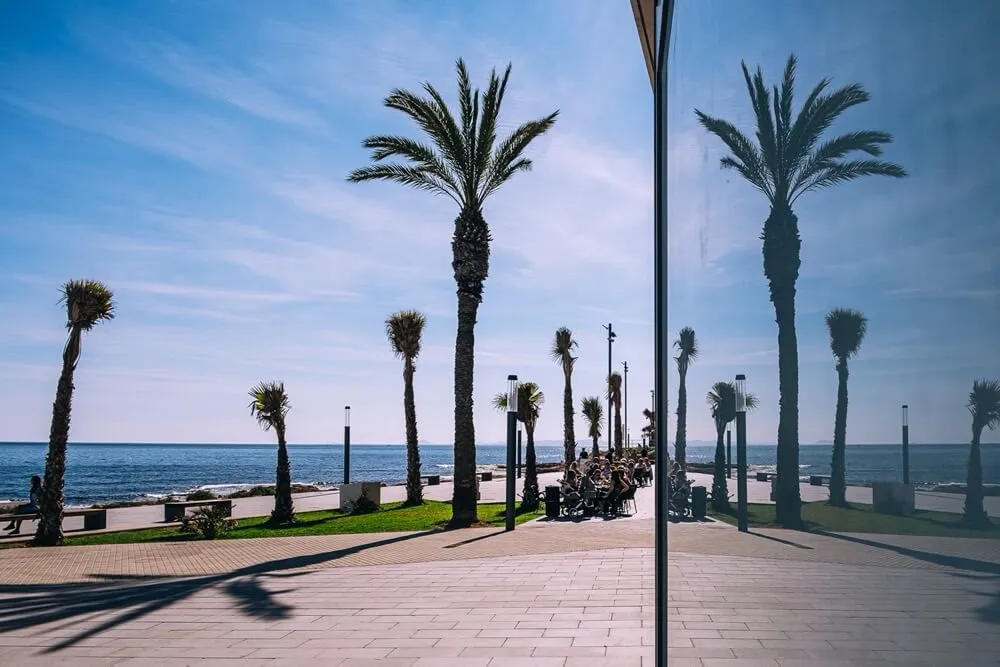
People react to the situation differently. Mostly, of course, people are upset by the fact that they are forced to be out of work (those who cannot work remotely). But everyone's mood is positive.
Every evening at 8:00 PM, we go out onto our balconies and the whole city applauds the medics and police who are doing everything possible to fight the virus.
By the way, everything is in order in the shops, all products are available! The only thing is that a certain number of people are allowed into the shop at a time. The rest stand outside in a queue at a distance of one and a half to two meters from each other (special markings are made directly on the road). Upon entering the shop, we must sanitize our hands and put on gloves (both sanitizer and gloves are provided at the entrance). Toilet paper is also available – plenty of it!
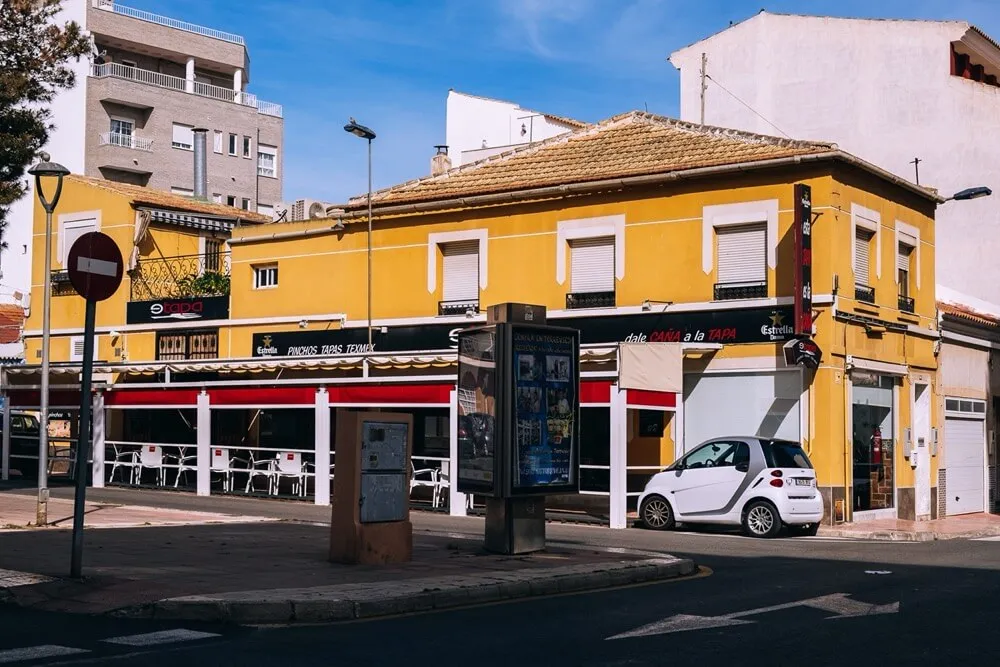
Also, as far as I know, there are restrictions on movement around the country and cities. No one can be in a car except the driver, with the exception of public transport, which, by the way, operates as usual. In general, we are staying home and hoping for the best!
See more photos on Andrey's Instagram.
Milton Keynes, England (Natalie Trukhel)
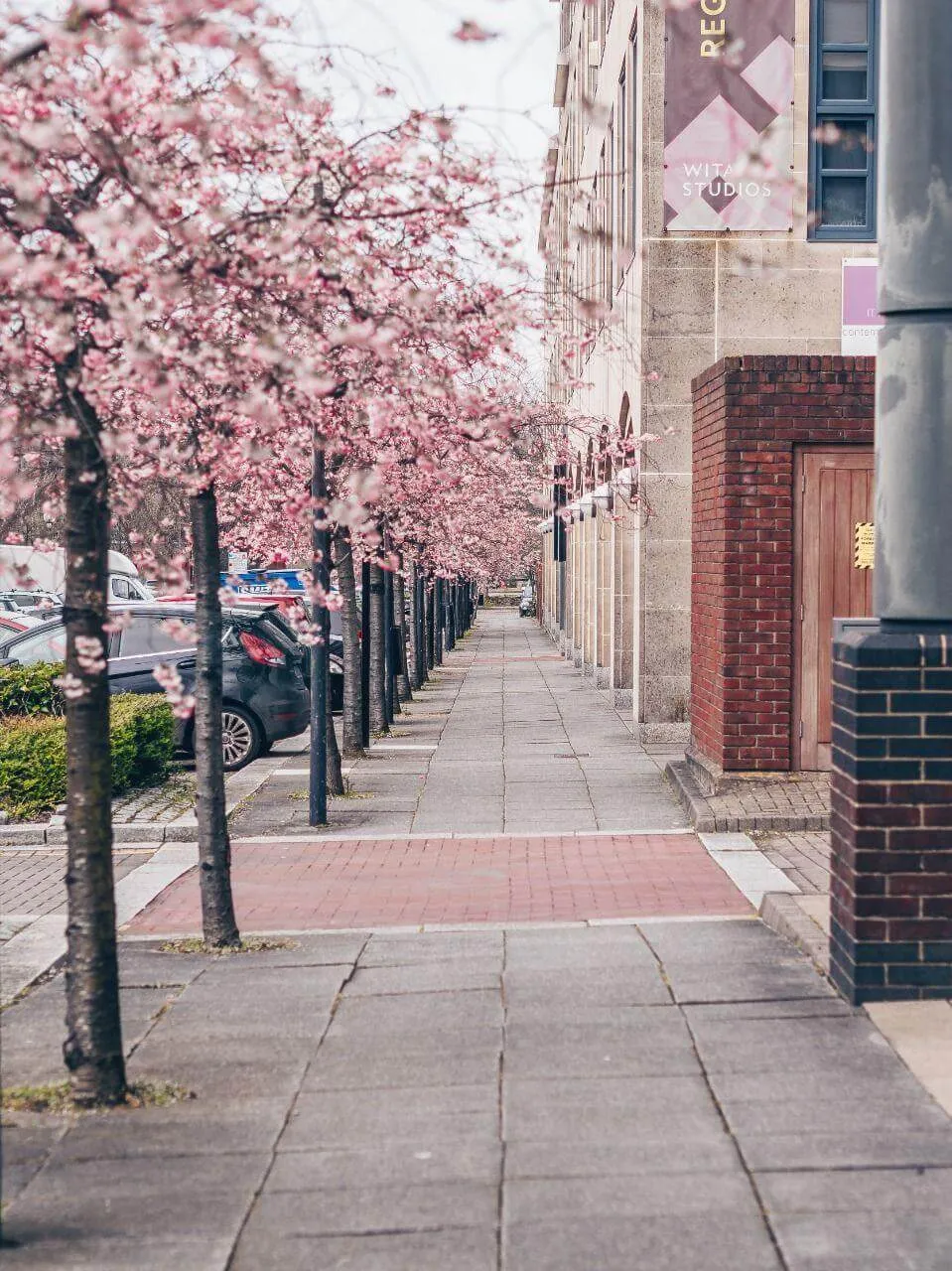
I live in Milton Keynes, England, 70 km from London. It's not a resort town, there are almost no Russians here, but there are Russian speakers, mainly from Latvia and Lithuania. The city is considered quite atypical for England, with American-style development. All the latest technologies are implemented and tested here. For example, deliveries are carried out by robots, and operations in the local hospital are also performed by robots. There are smart traffic lights.
Regarding quarantine: it has now been officially introduced in England. We can leave home for essential matters and once a day for a walk. Schools, parks have been closed, major events canceled, restaurants, entertainment centers, and shops are closing. Pensioners are advised not to see younger family members. Many companies have switched employees to remote work. If I hadn't seen empty shelves in supermarkets, I would say there's no panic.
But what's happening in supermarkets is very frightening. The shelves are empty. We haven't been able to buy eggs for several days now. We haven't seen toilet paper for about 2 weeks at all. People arrive an hour before the store opens to queue up and grab some food. By 10 AM, there's almost no food left. Supermarkets have stopped 24-hour operation to have time to restock at night. You can buy no more than 2-4 items of the same type per person.
My husband works delivering goods from the warehouse to the supermarket. Every day he and his colleagues bring a lot of products and even toilet paper. But people buy everything up instantly. This means there's enough food in the country, it's just that employees don't have time to bring and display goods on the shelves.
The Prime Minister of Great Britain has still not closed the country's borders. He believes that 80% of the population will eventually contract COVID-19. He wants to build herd immunity in the population, as he assumes the virus will become seasonal.
In this post I explained Britain's position on quarantine. Not all information there is still relevant (schools have already closed), but the general meaning is clear.
In recent days, the British government has been tightening measures. This may be due to the dissatisfaction of some of the population who are asking for the country to be locked down, and the dissatisfaction of other countries with the British strategy.
All of this is, of course, difficult. It's hard to be cooped up, lose work, and be forced to change one's way of life. But one wants to believe in good things.
Find more current news on Natalie's Instagram.
Limassol, Cyprus (Victoria, marketer)
Since the city and the island are small, as soon as information about infected people appeared, the authorities immediately took action. Those who could were quickly moved to remote work, told to stay home, and quarantine was announced until April 30. Banks allow people in one by one and measure temperature at the entrance; in small shops, you have to keep a distance of five meters from each other! Inside, there are gloves and antiseptics so we can touch anything without fear.
There is no shortage of goods; people actively stocked up only during the first cases of infection, then calmed down. Also, electricity will be 10% cheaper during the quarantine.
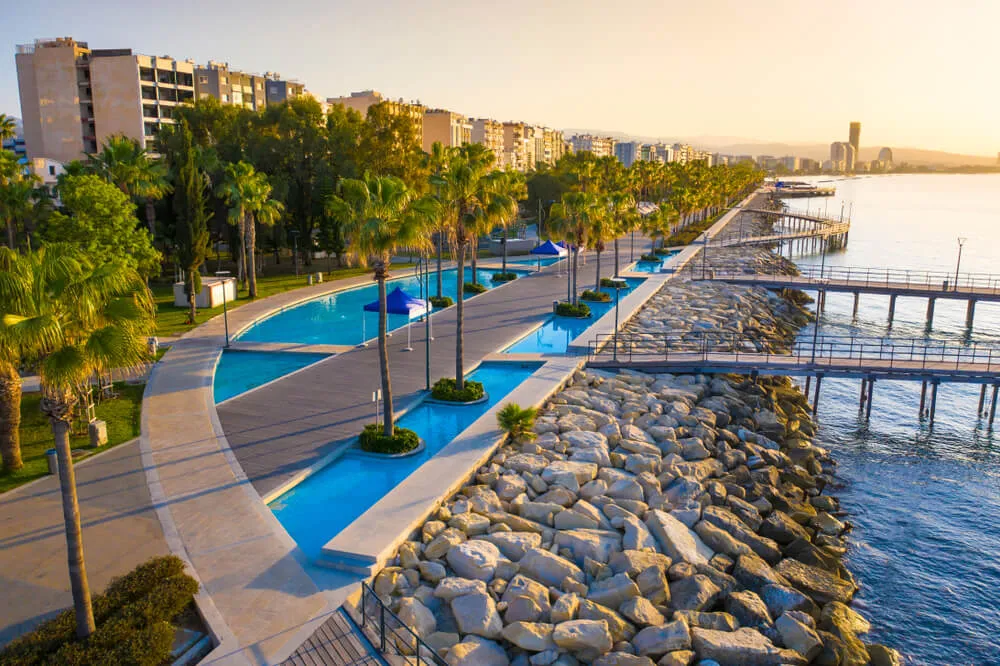
Things are more interesting with transport. The Ministry of Transport issued an order to transport companies not to fill their vehicles more than halfway. This measure applies to all carriers: airport transfers, tourist trips, any urban, rural, and intercity transport.
In addition, every bus and taxi must prominently display a disinfection certificate indicating the date of the last sanitation procedure and its validity period. A vehicle without such a certificate cannot transport passengers from March 18.
And we are holding on and waiting!
Baku, Azerbaijan (Tatyana)
Panic in the city has subsided, as the quarantine started quite a while ago. Educational institutions, bars, cinemas, theaters have been closed for about three weeks now; cafes and restaurants operate until 9 PM.
The most important local holiday, "Novruz Bayram," and all associated mass events (bonfires, dances, etc.) have been canceled. Entry to the city is closed for those without Baku registration. This is done to prevent people from coming to Baku from other regions of the country.
First, the border with Iran was closed (where the first infected people came from), then the border with Georgia, and from the 18th, with Russia. However, the borders are open for the return of Russian citizens. Transport crossings across the border are also open, but they are escorted by the police.
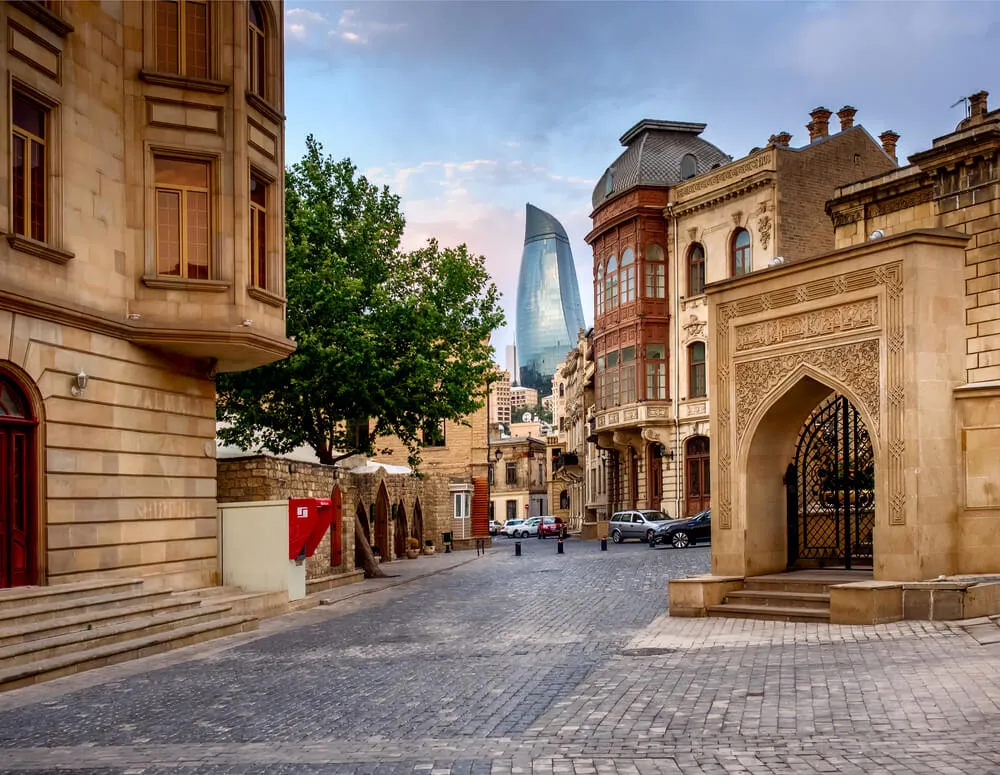
Azerbaijan accepted WHO assistance, so doctors traveled throughout the country providing instructions, to the point where at the entrance to cafes, they offer to spray antiseptic on your hands. In shops, it's quite calm, because people here always have supplies for their large families, and there's enough meat and vegetables for everyone.
There are fewer people in the city, and fewer cars too. Everyone is in gloves, few are in masks, everyone wipes their hands, many have stopped kissing when greeting, which is hard for them. All service companies are working, gas services and doctors are also all at work (they were promised a salary increase during the epidemic).
Overall, I am pleasantly surprised that they approached the quarantine quite responsibly here, because our medicine is not in the best condition, and things could have been very bad.
Tel Aviv, Israel (Veronika, marketer)
There is no panic in our city; people understand that all measures taken are curbing the spread of the virus. We leave home for the store, pharmacy, or to walk the dog; work has been moved to remote. Store shelves are not empty, everything necessary is available. At the entrance to the supermarket, your temperature is measured, and they ensure that a certain number of people are inside at the same time, while others wait in line outside.
Quarantine has been introduced in the country, and quarantine measures are constantly being tightened; Ministry of Health recommendations are now mandatory, and violations are subject to fines.
5,000 shekels for violating quarantine, 3,000 shekels for gatherings of more than 10 people, 5,000 shekels for businesses open without permission.
Shopping centers, cinemas, bars, restaurants, fitness centers are closed. All leisure activities are canceled, except for religious ceremonies like weddings, funerals, and prayers, but with no more than 10 people and at a decent distance from each other. Can you imagine such a wedding?
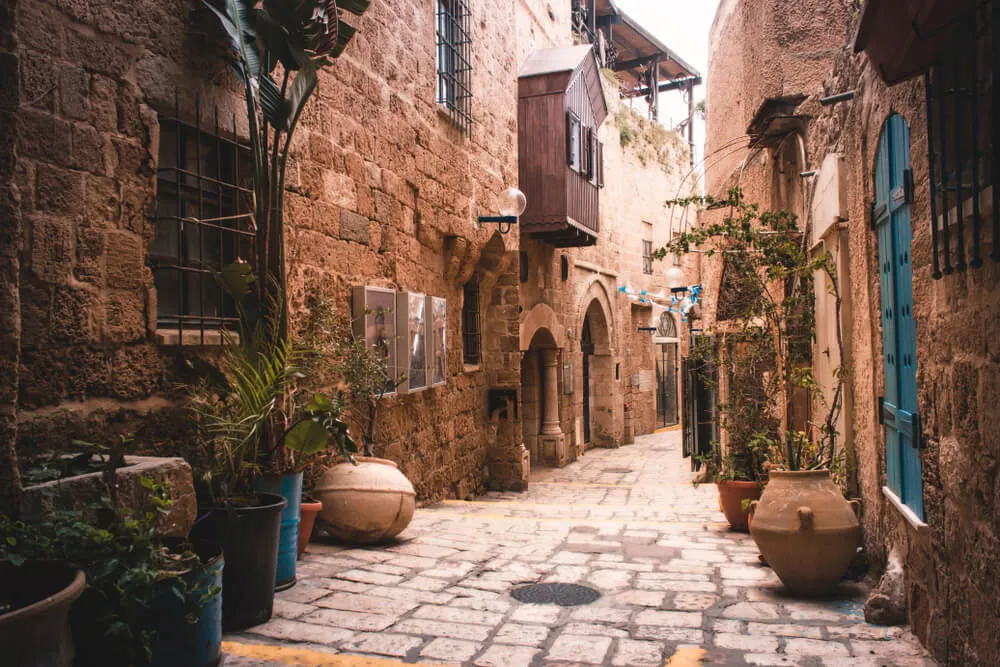
Moving around the country is also problematic. Bus operating hours and the number of people allowed on them have been limited to avoid crowds. Also, everyone entering the country from abroad is required to quarantine for 2 weeks, and this is strictly monitored.
The government is also actively involved. The Ministry of Health presented a smartphone app called "Shield," which informs its users if they have been near a person with confirmed coronavirus. The Ministry of Health uploads data on new patients, and the app notifies everyone who was in close proximity to the patient's travel route (14 days), using active geolocation. This is very convenient and alleviates mild paranoia.
Marcella, Italy (Oksana)
I live in the Tuscany region in a small town called Marcella (about 500 inhabitants), located between Florence and Siena. Chianti area, hills, vineyards, olive groves, beauty all around – the region is actively touristic. Russians rarely come here; they are more focused on Florence. In season, there are many tourists from Germany, Poland, France, America. Among Russian residents, only I have been noticed; the rest nest closer to the district center.
No panic is observed in the town. People adhere to home self-isolation rules: they leave home only for work (those who are still working), to a shop-pharmacy, to walk the dog, or for other justified needs. Everyone maintains a respectful distance, greets each other kindly, and communicates over fences. There are, of course, some rebellious individuals, but few.
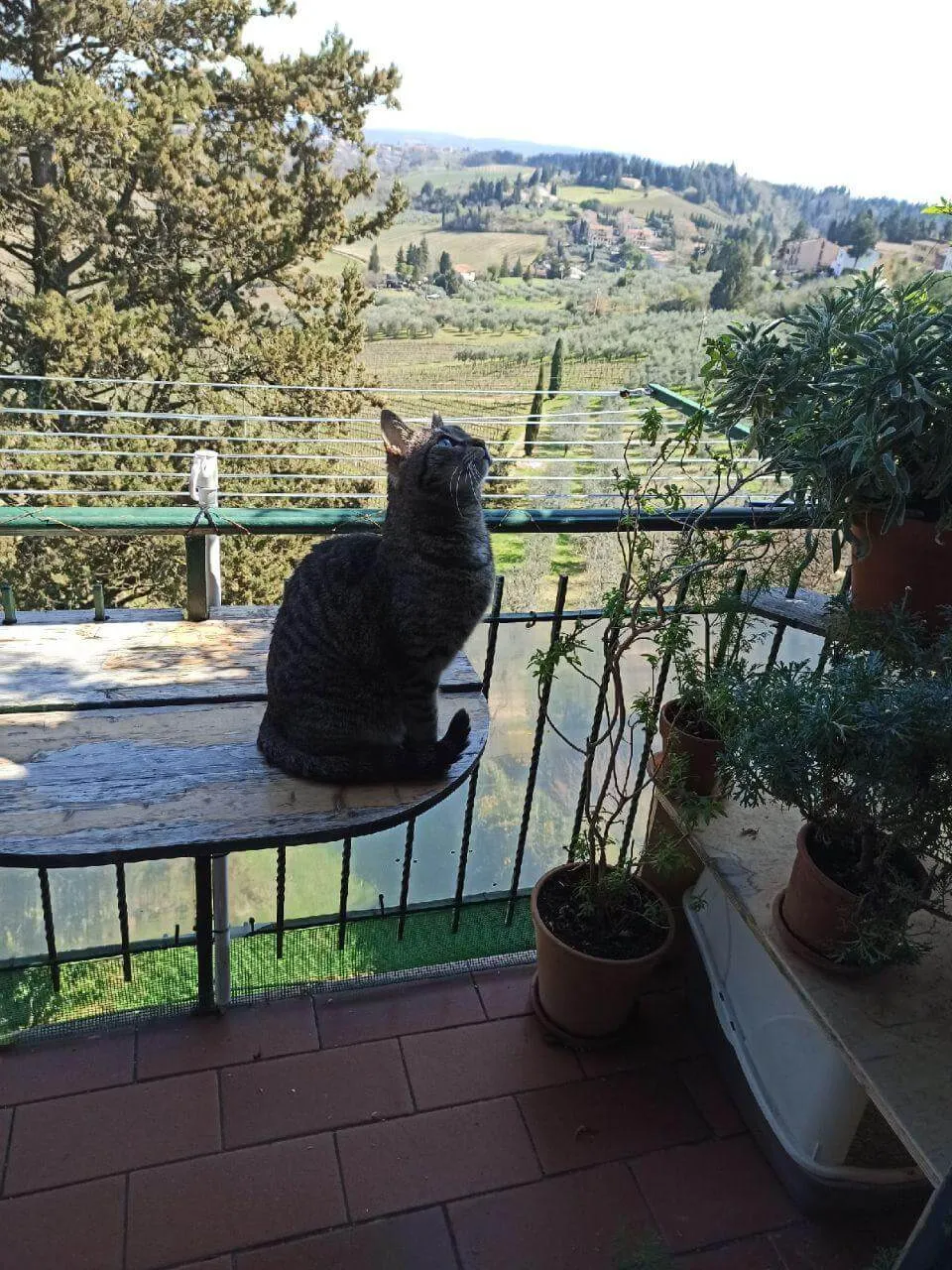
But strictly speaking, this is not all quarantine. People with ARVI symptoms or a confirmed coronavirus diagnosis are in quarantine. All these people are not allowed to leave home without a valid reason or move in groups of two or more – only individually. The police control people on the streets and fine those who are out without a valid reason.
People are generally calm, moderately concerned by the terrible news. They mostly treat the restrictions with understanding and respect. Everyone understands that this is for our own safety.
A limited number of people are allowed into shops at a time, as is probably the case everywhere now. Therefore, queues form outside shops. People stand a couple of meters apart and chat while waiting. Empty shelves are filled very quickly. A couple of days ago, pet food shelves were empty, but today they are already full. There are no problems with toilet paper, but Italians are atypical in this sense – everyone has a bidet at home. Disinfectants and masks are the hardest to buy. But it's possible.
[caption id="attachment_13786" align="aligncenter" width="998"]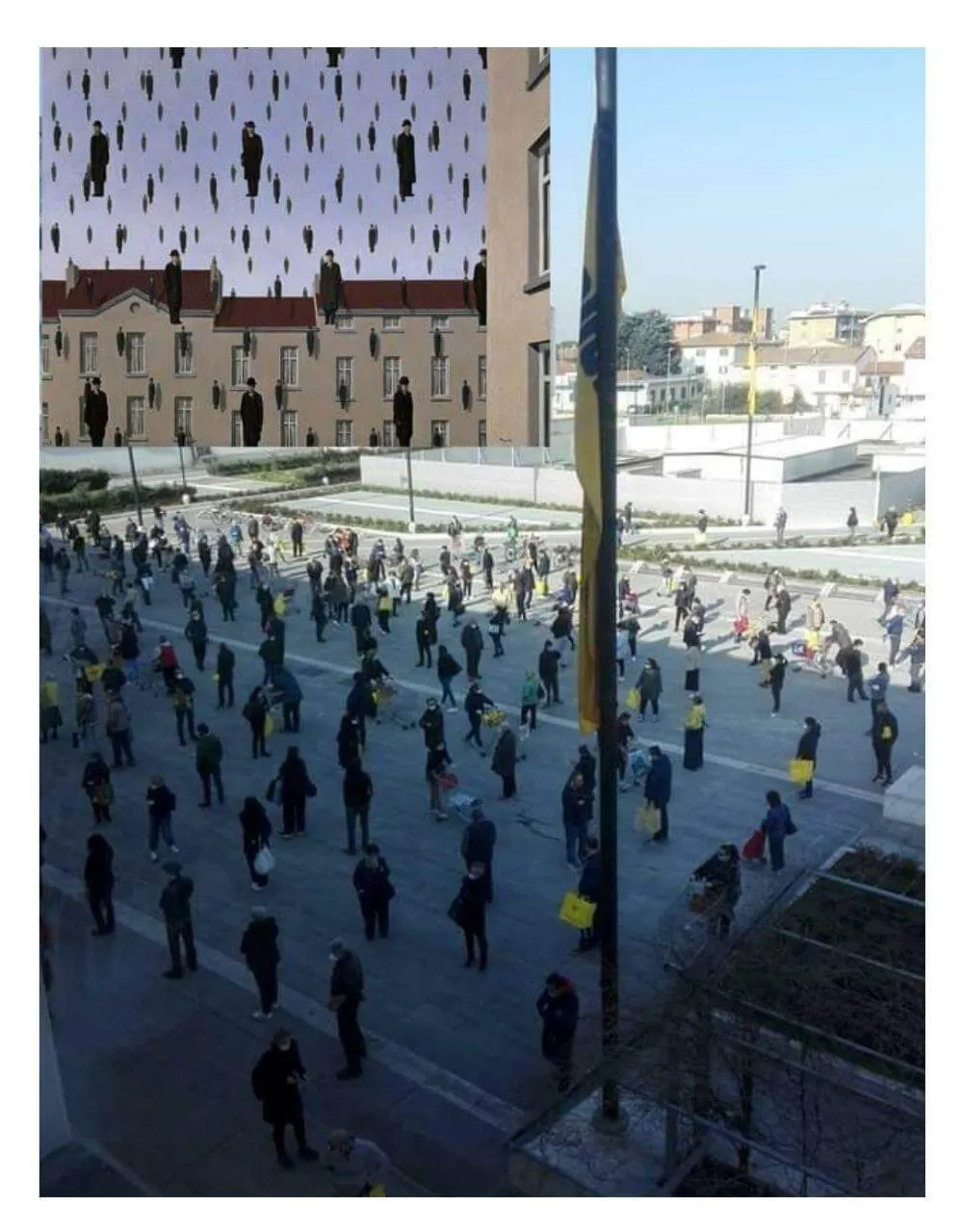 Queue at the shop. Florence[/caption]
Until April 3, a decree is in effect in Italy, requiring everyone to stay home. It logically follows that all events are canceled. All educational institutions are closed – everyone has switched to online learning. What happens next – we'll see.
The main goal of self-isolation is to reduce the burden on hospitals, as their resources are very limited: few beds, staff, and ventilators. Doctors now answer calls from 9 AM to 9 PM. Hospitals are accepting volunteers, retired doctors, or those with other specializations. All police are deployed to patrol the streets.
I think that restrictive measures will continue after April 3. It is obvious that Italy will enter a powerful crisis, as production is partially suspended, and tourists are unlikely to come this summer.