How to move to Argentina?
We continue the series «Ditching ̶v̶ ̶o̶t̶p̶u̶s̶k̶», where Kupi.com team members and their friends share personal relocation experiences to other countries. The new guide is about Argentina. Editor, book reviewer, writer (novels «Six Days», «In the Land of Milk and Honey») and author of the Telegram channel «Missed Everything» Sergey Vereskov told Kupi.com how he once came to Buenos Aires and stayed there to live.
Why Argentina?
I had been planning to move to another country for a long time, but my plans kept changing for various reasons. First, Portugal fell through, then Canada was canceled. I sent my documents for a Canadian visa on February 23rd, and it's not hard to guess that I didn't receive any visa.
Opening a world map, I started thinking about where else I could go, and my gaze fell on South America. I had never specifically studied this region, but I remembered that Latin American culture is interesting and unique (hello, Borges, Cortázar, and Márquez), that the economy, in general, isn't too bad, and most importantly, that in most countries there is freedom.
So, through friends, I found acquaintances in various Latin American countries, talked to them, and realized that Argentina was the most suitable option for me.
Here are a few reasons:
– Argentina (like all of Latin America, for that matter) is far from Europe and Russia, and traditionally, they don't pay much attention to the squabbles of the "great powers" here. It truly is a somewhat separate world;
– Argentina, at the same time, is the most immigrant-friendly and most European country on the continent. For a long time, Argentinians themselves used to say that they were "Europeans in exile";
– Thanks to the left-wing government, there is a reasonable social policy here. There is free (and private) medicine. They say there is good education – both paid and free;
– Yes, economic crises shake Argentina from time to time, nevertheless, statistics show that there is economic growth, and the country is gradually moving forward;
– Argentina is a progressive country: here they fight against gender-based violence and inequality, many feminist organizations operate, and they protect the rights of [a six-character abbreviation should be here, but we cannot write it for known reasons — Kupi.com's note]. If you don't like all this, it's better not to come here;
– Russia and Argentina have a visa-free regime – you can stay here for 90 days without a visa;
– In Argentina, as in other countries on the continent (except Brazil), Spanish is spoken. So if you learn it once, you are free to move between countries – fortunately, Russia has a visa-free regime with many countries in the region;
– It's not a very expensive country, especially compared to Europe or North America.
How to fly?
My friends and I flew to Buenos Aires with Ethiopian Airlines. Honestly, I didn't even know such a company existed, and I was a bit nervous about how the flight would go. However, in reality, everything turned out to be comfortable – as much as possible for a 28-hour journey. , we flew to Addis Ababa, then to São Paulo, and then to Buenos Aires.
Yes, ticket prices with this airline were lower than those of competitors.
What about housing?
We booked accommodation via Airbnb for a short period – reading various materials about Argentina, I understood that it's best to look for a long-term apartment once you're there. And that's what we did.
The housing situation in four-million-strong Buenos Aires is quite complicated right now, partly due to the large influx of Russians. At the real estate agency we contacted, we were the "tenth Russians this week." And this is despite the fact that few people directly use agency services: mostly, people look for housing through Telegram channels run by Russians who moved to Argentina earlier.
For example, you can find an apartment here.
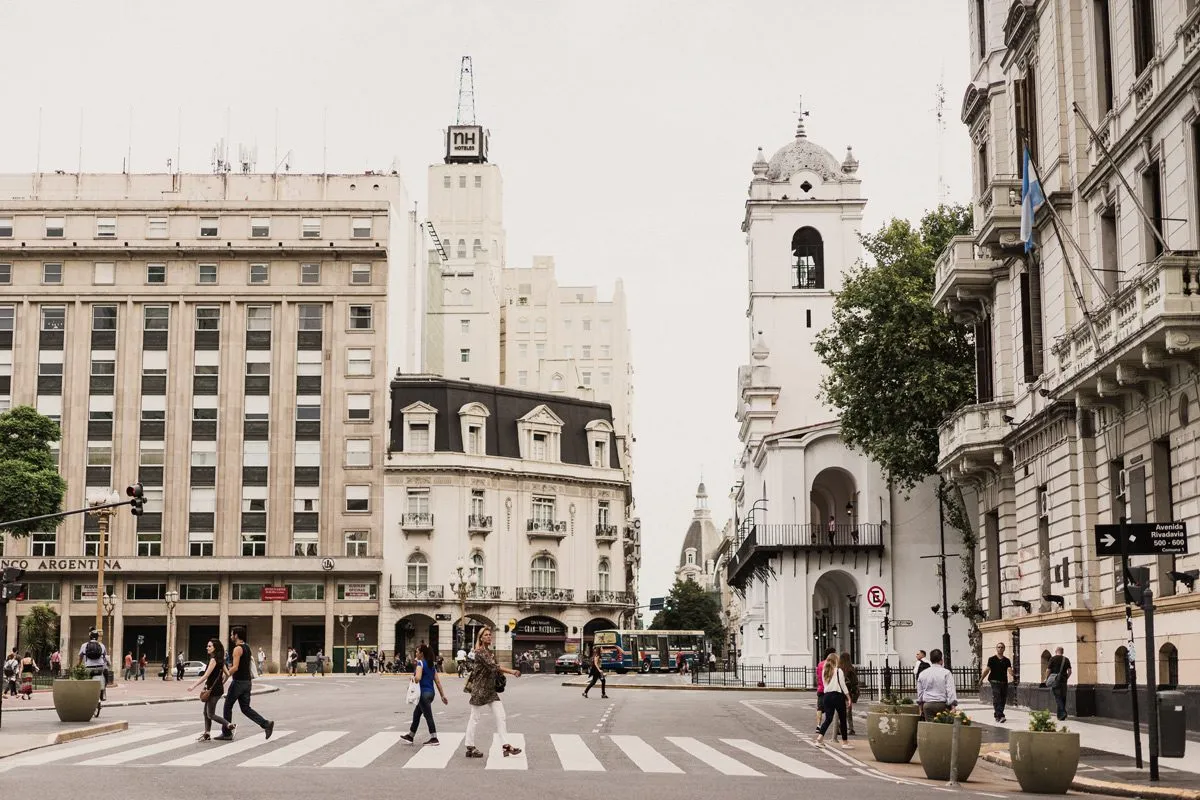
A one-bedroom apartment in a decent area can be rented for about $500, a two-bedroom for $800-1000. The condition of apartments can vary – there are options with modern design, and there are also "grandma's" lots. But almost everything is snapped up quickly now: for example, we took our apartment without even viewing it.
When signing a contract, you pay several months in advance + an agency fee (which is almost unavoidable, and is 20% of the contract amount) + a security deposit equal to one month's rent. If you searched for housing through Russian realtors, you will also have to pay them several hundred dollars.
What else is important to know: a furnished apartment here is rented under a contract for 3-4 months, after which the contract needs to be renewed. A long-term contract can only be concluded if the apartment is rented to you unfurnished (yes, that's an interesting peculiarity). And in this case, guarantors are needed – that is, someone with an Argentine passport.
Overall, rent is the most significant expense. Otherwise, it's cheaper here than in Moscow.
What about money?
Argentina has high inflation (around 70% this year), so dollars and cryptocurrency are readily used here. The official dollar exchange rate is about 150 pesos, the unofficial one (which people use for calculations) is about 300 pesos. The government knows about this currency circulation but seems to deliberately not interfere, as it cannot cope with inflation.
If you calculate by this unofficial rate (and taking into account the current ruble exchange rate, of course), then Buenos Aires is inexpensive. For example, going to a restaurant for dinner for three (i.e., ordering a main course – meat + side dish + drink) will cost approximately 2000 rubles. Groceries are also inexpensive, especially meat and wine*. For a kilogram of good beef, you'll pay about 300-400 rubles. For 500 rubles, you can buy good Argentine wine.
It's interesting, by the way, that despite the popularity of meat, there are many vegetarian products here – for example, plant-based meat patties, which are not available in all stores in Moscow.
A ride on the subway, city train, or bus costs approximately 8-10 rubles, a theater ticket – 400 rubles, a museum ticket – about 100 rubles.
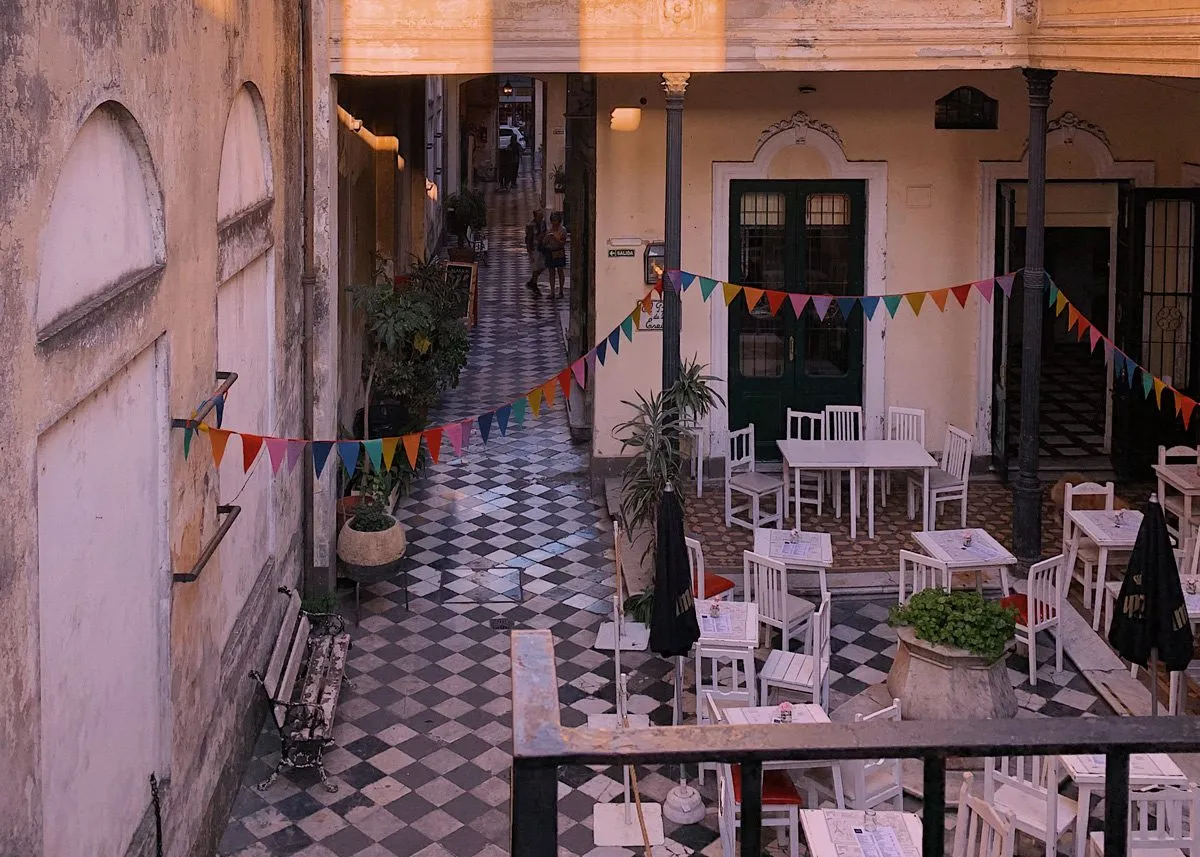
About cultural life (spoiler: it exists and there's a lot of it!)
Honestly, I was surprised by how developed this sphere is. There are many excellent museums here (from contemporary art museums to the Holocaust Museum), constant city festivals take place, and retrospectives frequently start in cinemas.
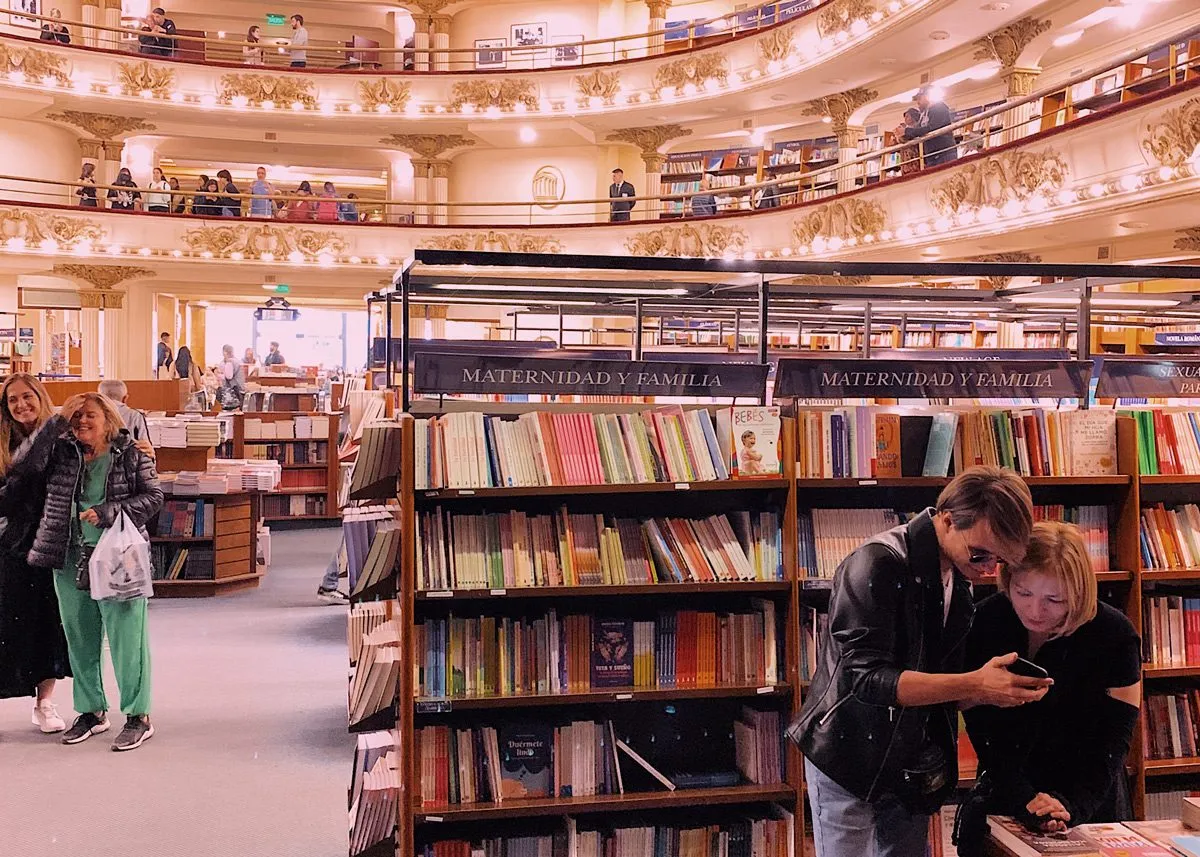
Of what I've managed to visit so far, three places made the biggest impression – Museo Moderno (it has an excellent collection of contemporary Latin American art), Kirchner Cultural Center (inside, there's a cinema, exhibition spaces, and a concert hall) and Usina del Arte (another contemporary art museum, housed in a former factory building). And as a big book lover, I can't overlook the cool bookstore El Ateneo Grand Splendid – it's located in a theater building.
And also, by the way, many in the press are currently discussing (unexpectedly) the local theater's production of Maxim Gorky's «Vassa».

About Buenos Aires
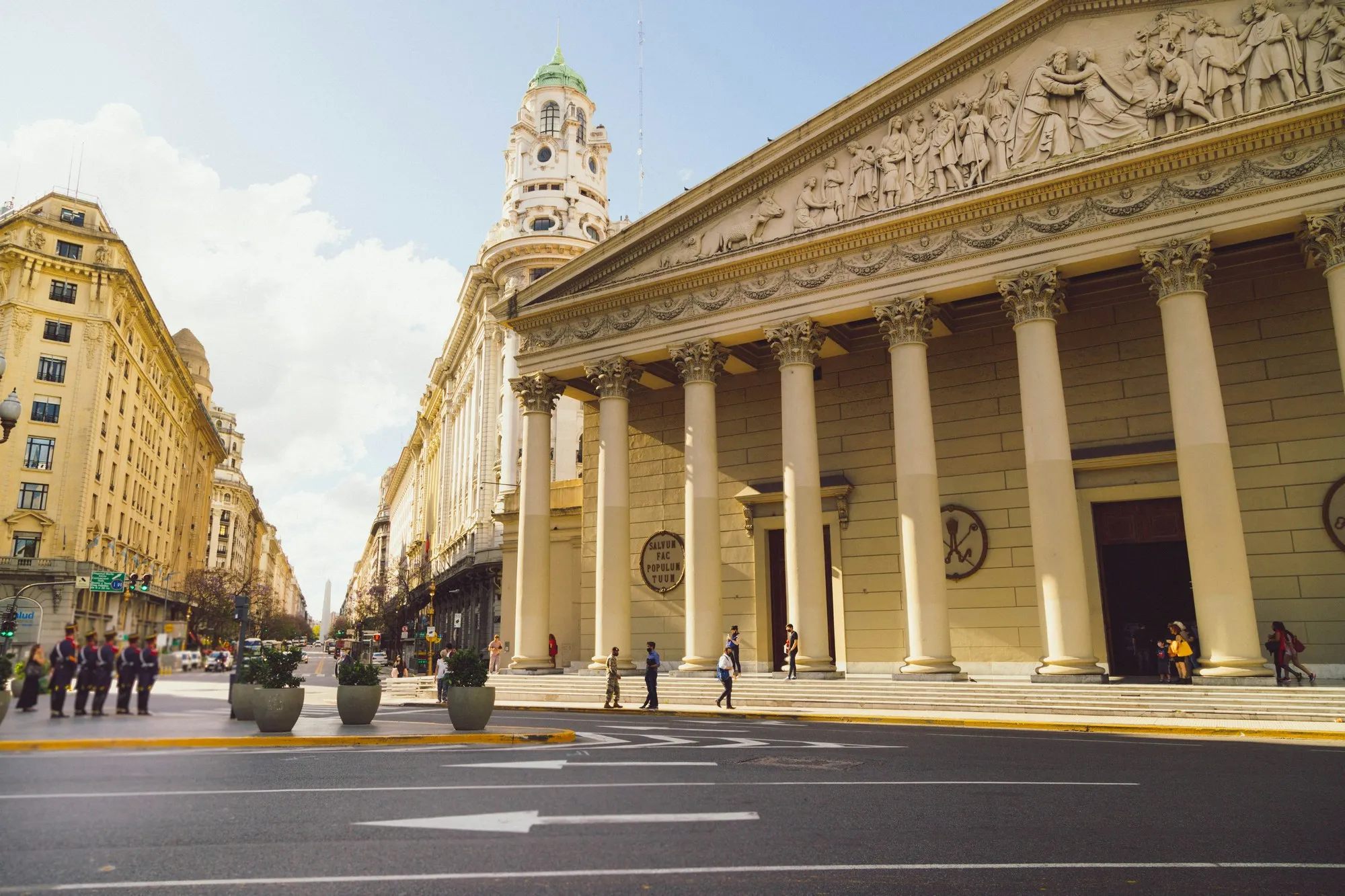
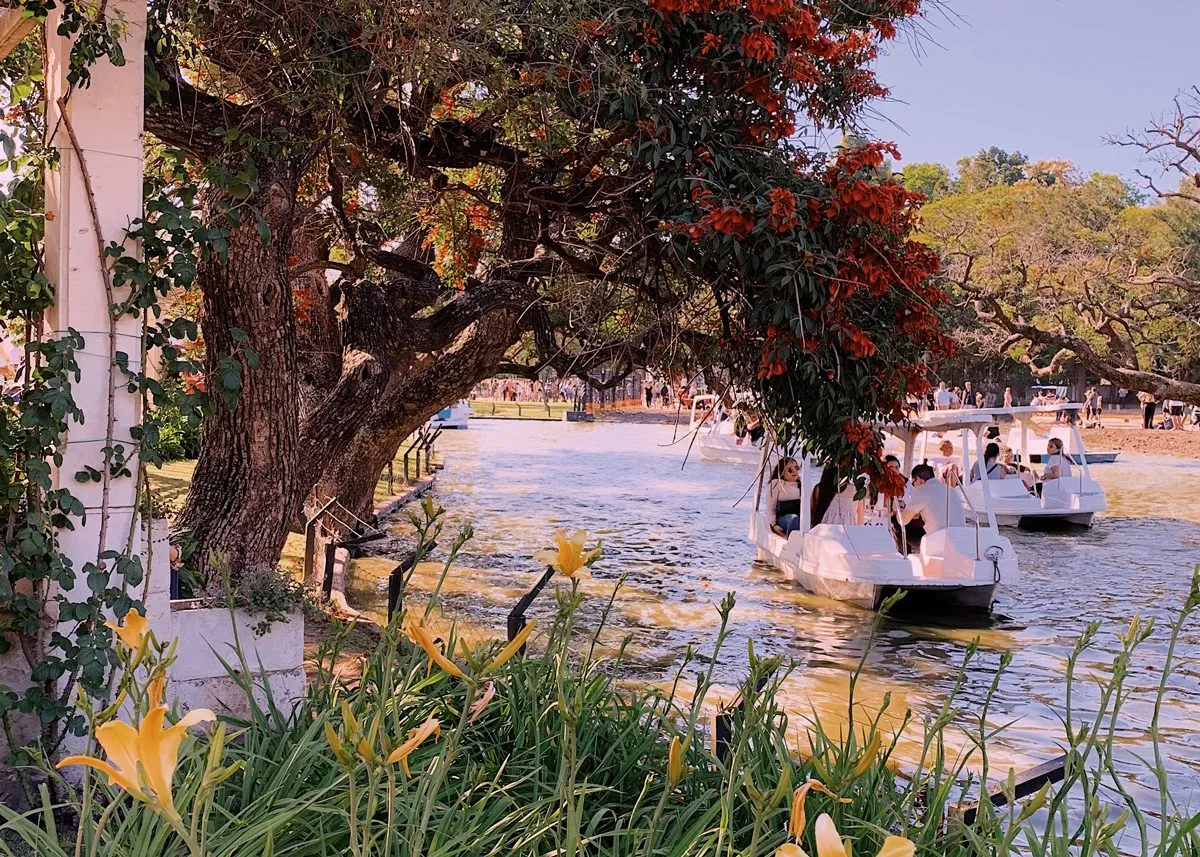
What strikes most about the city is how diverse and eclectic it is. History is closely intertwined with modernity here, and one doesn't hinder the other but complements it. In some places, it resembles Barcelona, in others (suddenly) Istanbul, and while walking through the cozy low-rise district of Belgrano, I constantly recalled suburbs in Holland.
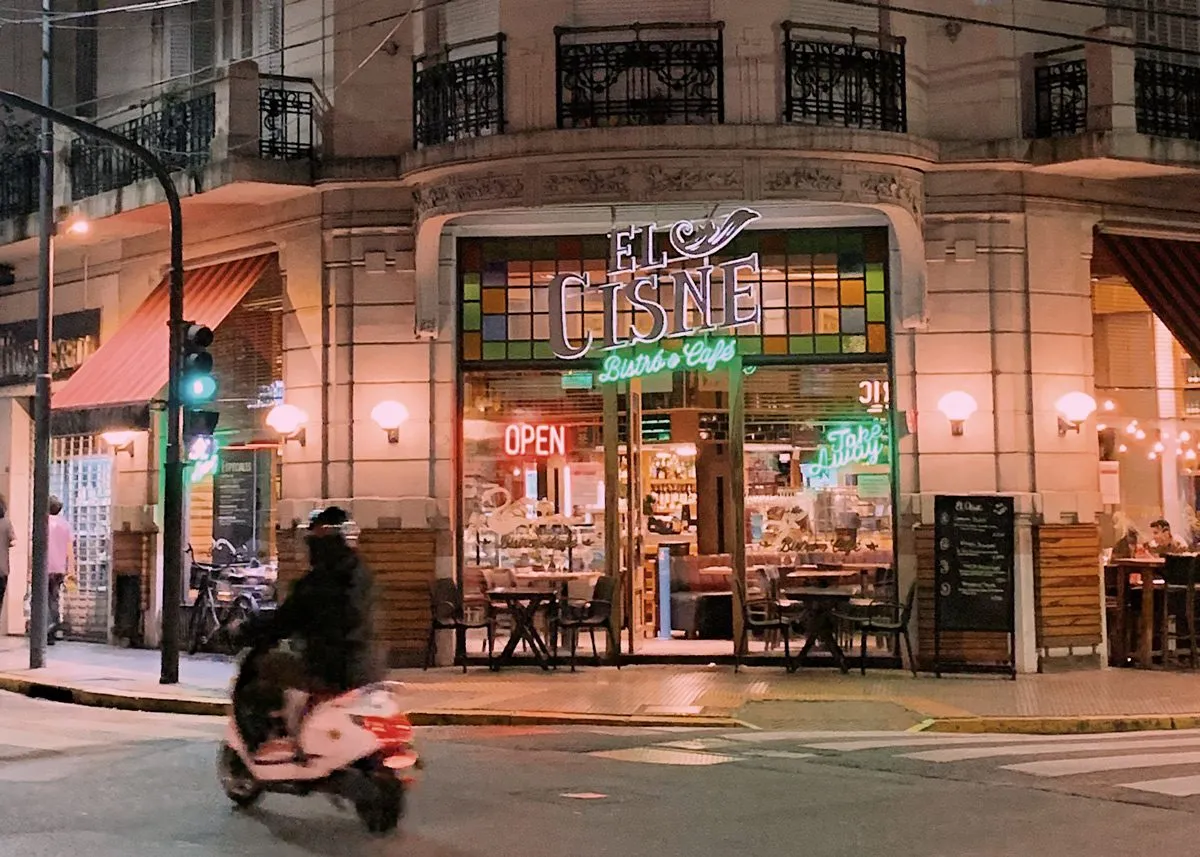
There's enough to drive you a little crazy (in a good way). One moment you're studying Spanish at El Hipopótamo cafe, opened over a hundred years ago, and then you walk along the local Broadway, Avenida Corrientes. On this street with neon signs, like in my favorite Wong Kar-wai films, you enter another bar called El Gato Negro (Black Cat), which was also opened back when humanity hadn't even invented tanks. Someone left a local city newspaper – like our «Metro» – on a table there, and it had a full-page spread about Pride Month, which the editorial board highly recommends visiting.
The sense of unreality is further enhanced by the fact that it's warm here in winter and cold in summer, and all of this together is confusing, as if you've entered a parallel world.
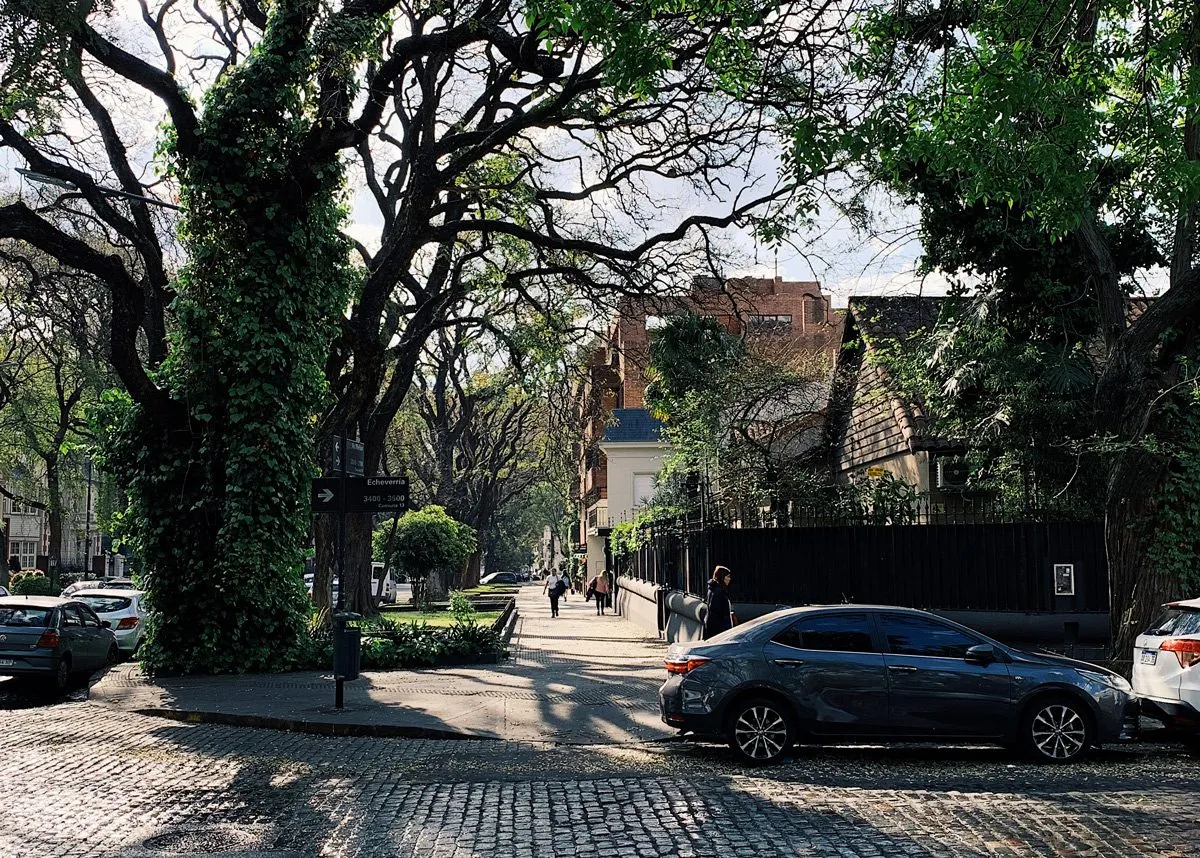
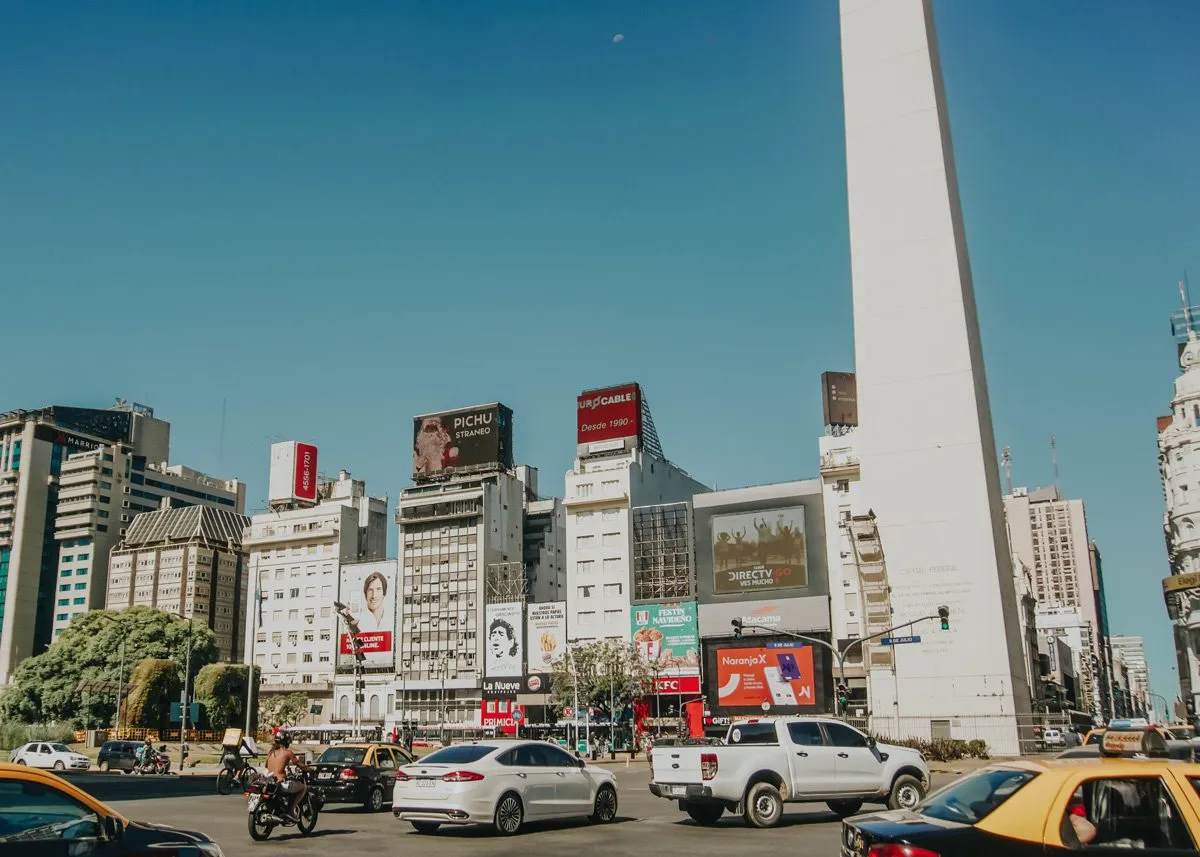
And, yes, the city is incredibly green: there are many simply excellent parks where all the locals go on weekdays and weekends – to sit on the grass, drink mate, and enjoy life.
About Argentinians
I remember when I first started looking for information about Argentina, I was impressed that it's one of the leading countries in terms of the number of psychotherapists per capita. It's indeed common to see a psychologist here: as my acquaintance says, if an Argentinian has a conflict at work – they go to a psychologist; if they've been sad for a long time – they go to a psychologist; in general, for any difficult personal situation, people go to a psychologist here.
And that's cool – I think it greatly influences the atmosphere in society. Argentinians are, in fact, friendly; they are always ready to help – and just smile at you. This, by the way, even applies to the police (which is quite incredible).
But don't think that these are exclusively cheerful people who know nothing of sadness. It's just that, as they say here, when an Argentinian is sad – they don't cry, they dance
A few more things to know about Argentina
– There is food and restaurant delivery here (called Rappi). For me, this isn't that important, I rarely used delivery even in Moscow, but I know that Russians often worry about such things.
– Again, for Russians accustomed to good service, I'll say that there are perfectly functional taxi apps here (there's Uber, Didi, and the local Cabify).
– About crime: as my local friend says, crimes here are usually committed only due to poverty or mental health issues. Violence for the sake of violence is a rare phenomenon.
Disadvantages of life in Argentina
There are few, and they are insignificant, in my opinion, but I will list a few for some objectivity.
– Argentina is a cash country: it's quite difficult to get a card here, and even if you do, you won't be able to pay with it everywhere.
– Also, it's not a country of great cuisine (although some friends try to convince me otherwise). That is, if you go to a random place for dinner, it's quite likely that the rice will be overcooked, and the chicken will taste like chicken from a sanatorium canteen. However, good places can be found, and the prices there will still be inexpensive.
– To my surprise, there isn't a very wide selection of vegetables and fruits here.
– Buenos Aires is not a fashion capital. People here dress simply and don't attach much importance to clothing. But no one will judge you for a luxurious outfit, just so you know ;)
– It's quite difficult to import foreign goods into the country due to local laws, so you'll rarely find familiar Western clothing or electronics brands here.
And something else
After a series of economic crises caused by the First World War and then the Great Depression, left-wing and right-wing populists came to power in Argentina, and these shifts affected the country's development pace. The period of stability in the mid-1940s is associated with the name of President Juan Domingo Perón, who influenced Argentina like no other. His social policy, aimed at protecting the poorest segments of the population, largely shaped modern Argentine society.

Democratic institutions have been built here for almost 40 years. Presidents succeed one another, there is a struggle between candidates and parties, citizens protest when they are dissatisfied – in general, normal life flows on.
*excessive alcohol consumption is harmful to your health!