How to get to Murmansk
 Polina
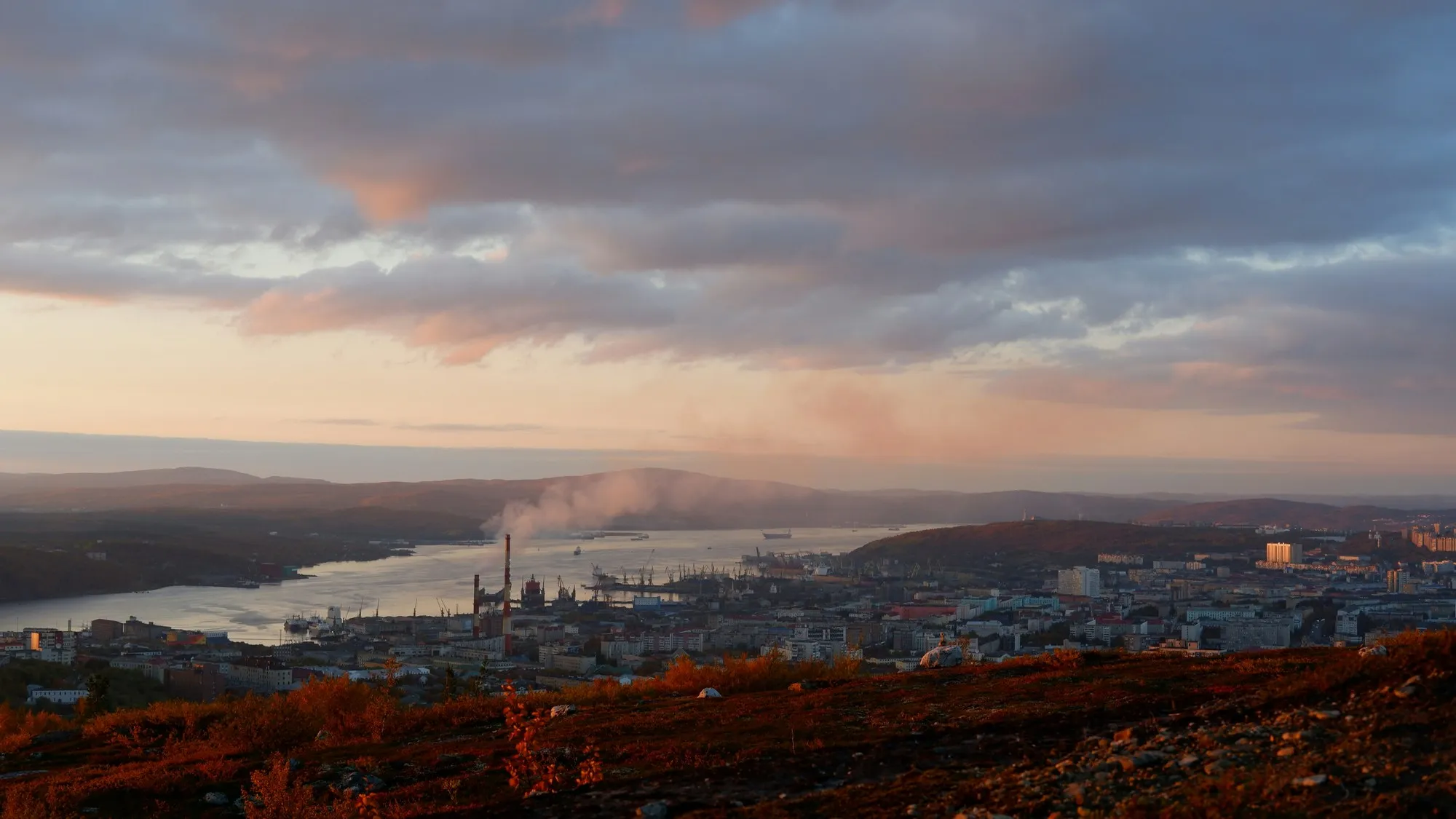
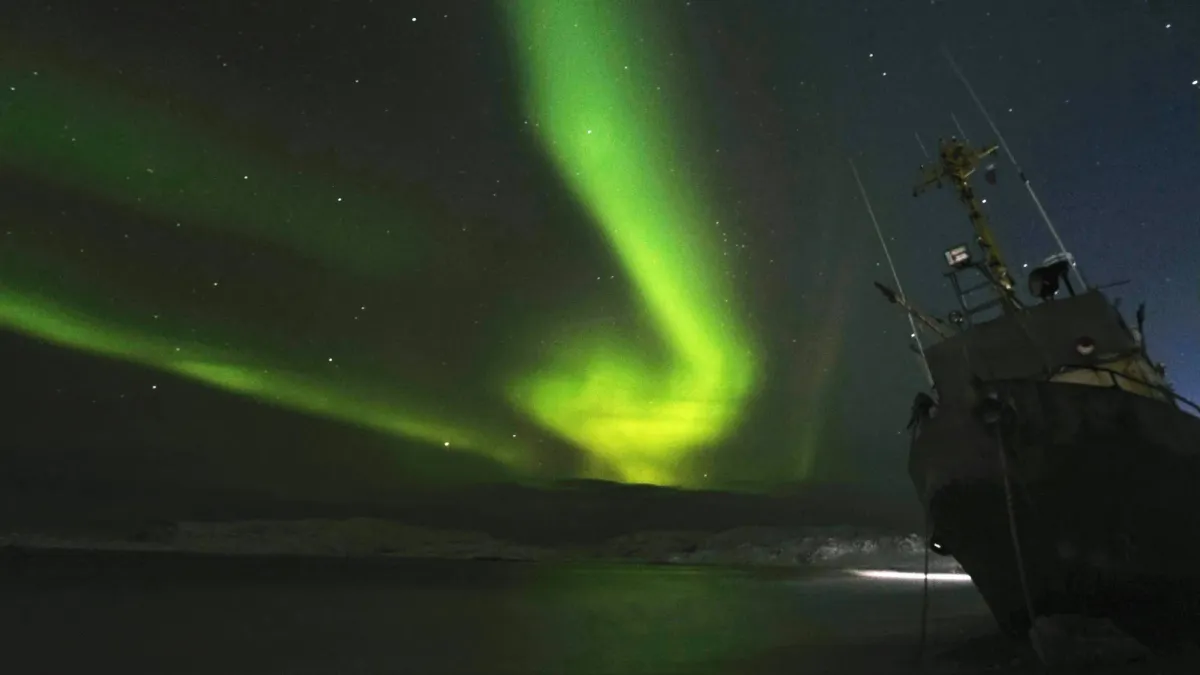
Murmansk is not just a city; it's the true capital of the Arctic, the world's largest city beyond the Arctic Circle. "What zone is Murmansk in?" many ask. It's in the most Arctic zone possible! This is a land where polar night reigns in winter and the northern lights dance in the sky, and in summer, the sun doesn't set for weeks.
The desire to see this wonder and visit the edge of the earth makes thousands of tourists ask: "How to get to Murmansk?" Despite its remoteness, Murmansk is a major transport hub, and you can get here in several ways, each with its own charm and advantages.
By plane
This is the fastest and often the most convenient option. Ideal if you only have a few days for your trip. A direct flight takes about 2.5 hours, – 1.5-2 hours. All flights are received by Murmansk International Airport, located in the village of Murmashi, approximately 30-40 minutes' drive from the city center.
There are regular direct flights (Sheremetyevo, Domodedovo, Vnukovo) and St. Petersburg (Pulkovo). The cost heavily depends on the season and airline. If you buy tickets to Murmansk on Kupi.comin advance, you can find options with low-cost carriers from 3,000 – 5,000 rubles one way. Tickets with major carriers or during the peak aurora hunting season (December-March) will cost 6,000 – 10,000 rubles. Getting there is slightly cheaper: from 2,500 – 4,000 rubles.
How to get from the airport to Murmansk? You can take bus №106 (goes to the railway station) or a taxi.
By train
This is the choice for those who are in no hurry and want to fully enjoy the journey, see how nature changes outside the window, and cross the Arctic Circle to the rhythm of the wheels.
Travel time (Leningradsky railway station) is about 35 hours, (Ladozhsky railway station) – from 22 to 27 hours. The legendary branded train №016 "Arktika" runs . It is considered one of the most comfortable, and they often announce the crossing of the Arctic Circle over the radio.
The train arrives at the railway station right in the center of Murmansk, which is very convenient. Ticket prices also vary: a reserved seat (platskart) will cost approximately 3,500 – 5,000 rubles, and a compartment (kupe) seat (especially on the branded "Arktika") – from 7,000 to 12,000 rubles. When considering tickets St. Petersburg – Murmansk, pay attention to the train: a reserved seat will cost 2,500 – 4,000 rubles, a compartment – from 4,000 – 6,000 rubles. Advantages include not having to worry about excess baggage, being able to sleep comfortably, and seeing Karelia and the endless northern forests.
By car
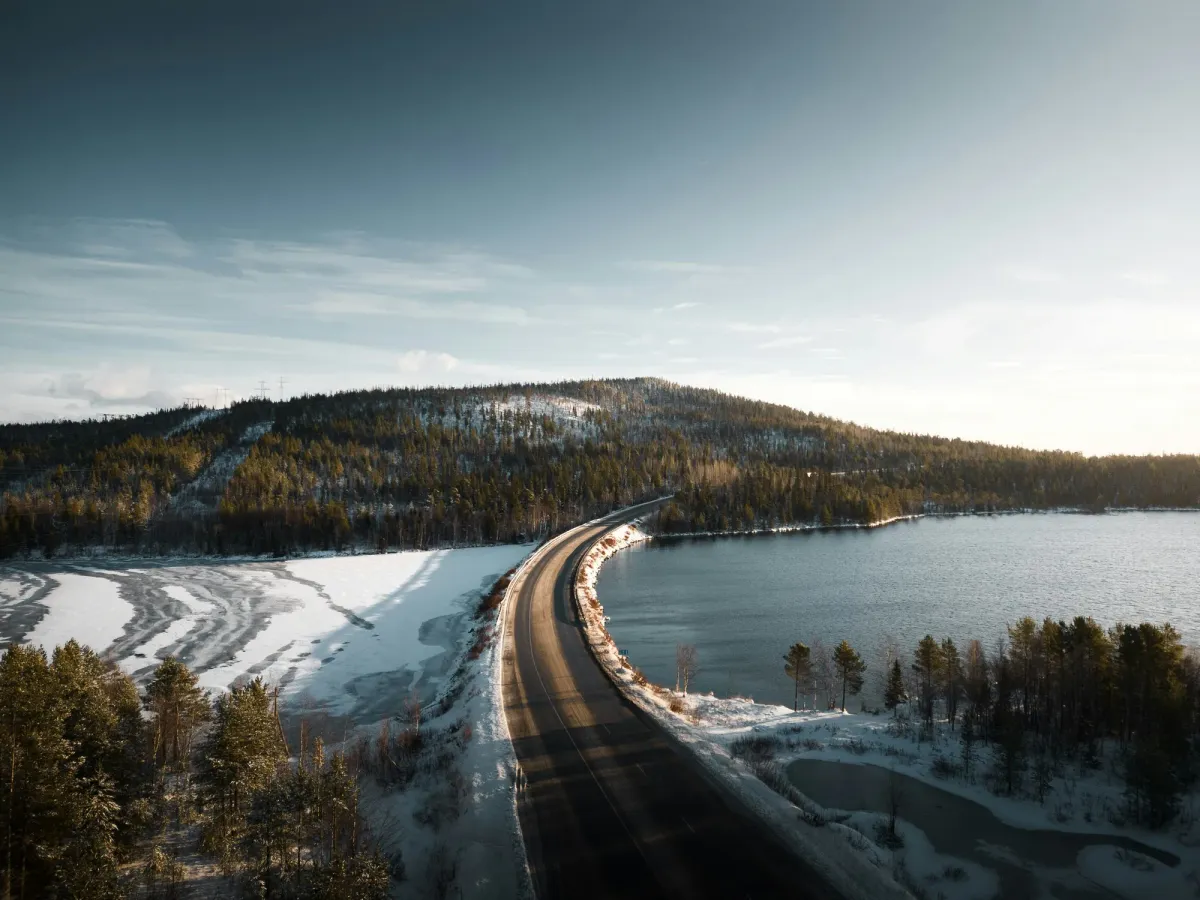
An option for the bravest and most freedom-loving. This is a real adventure that will allow you to see not only Murmansk but also the entire R-21 "Kola" highway, one of the most beautiful roads in Russia.
The distance to Murmansk is about 2,000 km. – about 1,300 km. The R-21 "Kola" highway runs through all of Karelia. Where can you stop on the way to Murmansk? Be sure to plan an overnight stay in Petrozavodsk to see Lake Onega.
Traveling in winter requires serious preparation. You will need good studded tires. Remember about the polar night: you will be driving in darkness for most of the journey. After Karelia (especially after Medvezhyegorsk), gas stations and cafes are less frequent, so fill up your tank at the first opportunity. Overall, the highway is in good condition, but there can be snow drifts in winter.
By bus
This method should be considered last if you are traveling . A bus trip from the capitals will take over 30 hours, which is extremely tiring and not more cost-effective than the train.
Bus service is well developed within the Murmansk region and with neighboring regions. It's convenient to travel by bus from Murmansk to Kirovsk, Apatity, Monchegorsk, or even to Karelian Petrozavodsk. The cost of such trips is low; for example, a ticket to Kirovsk will cost 700 – 900 rubles.
What to see in Murmansk? The Kola Bridge, the nuclear icebreaker "Lenin," and many other great places in the vicinity of the city. For example, Teriberka – the best spot for observing the northern lights.