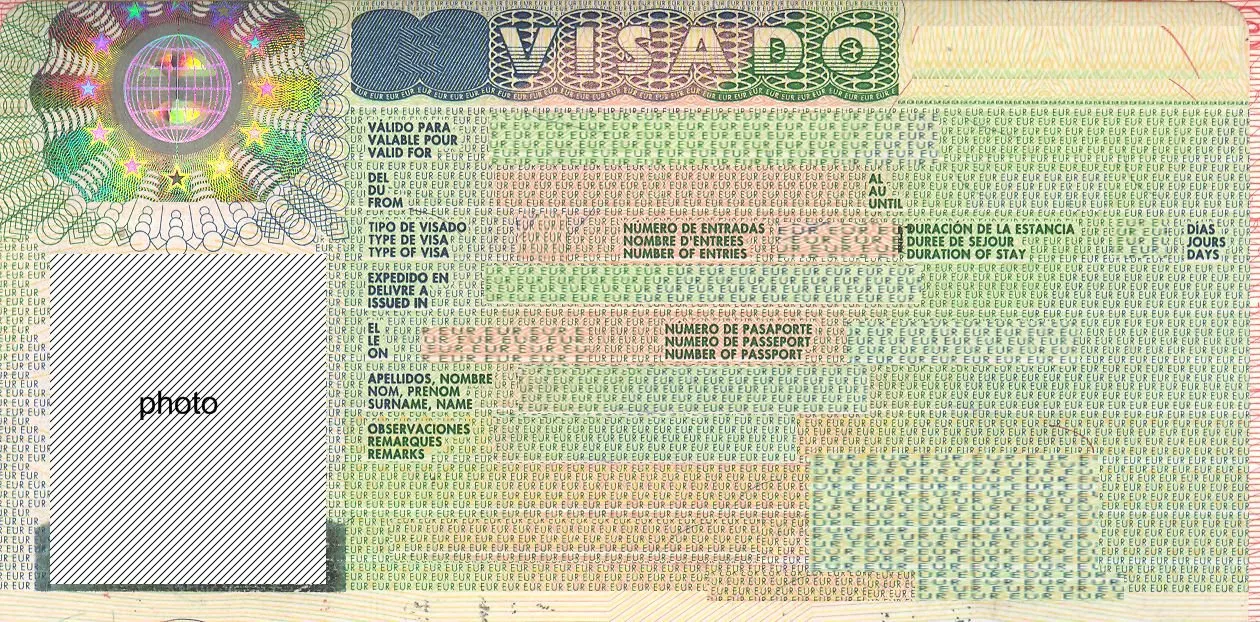
How to get a visa to the Netherlands in 2026
 Yasya
YasyaThe land of tulips, windmills, and endless canals. A place where ancient architecture coexists with futuristic designs, and the rhythm of life feels both dynamic and incredibly cozy. If you plan to visit the Netherlands in 2026, it's worth understanding all the bureaucratic intricacies beforehand, so that waiting for the coveted stamp doesn't turn into a quest with obstacles.
Before you start collecting documents, we recommend planning your logistics. For example, you can buy tickets from Moscow to Amsterdam with a convenient layover in Istanbul, Belgrade, or Yerevan. If you prefer to start your journey from the northern capital, pay attention to tickets from St. Petersburg to Eindhoven – this city often serves as an excellent entry point for those who want to explore the southern provinces of the country.
What visa do you need for the Netherlands
Since the Netherlands is a member of the Schengen Agreement, you will need a standard Schengen visa for a short-term visit. It grants the right to move freely within the entire zone, but there is a “main country rule”. This means that if you spend most of your time in Rotterdam or Utrecht, you should apply to the Dutch representation.
Important: The agreement on visa facilitation between the EU and Russia has been fully suspended, so processing times have increased, and document requirements have become stricter.
What types of visas are there for the Netherlands
The type of document directly depends on your goals:
Category C (Short-stay): the most popular option. This includes tourism, visiting relatives, participating in business conferences or cultural events. The duration of stay is up to 90 days within a 180-day period.
Category D (National): a long-stay visa for immigration, university studies, or contract work. It is issued with a temporary residence permit (MVV).
Transit visa (Type A): required for airport transit without leaving the international zone.
Caribbean visa: if you dream of a vacation in Curaçao, Aruba, or Bonaire, a regular Schengen visa is not valid there. You will need a separate visa for the Caribbean parts of the Kingdom (although document requirements are similar).
What documents are needed for a Type C visa to the Netherlands
To make your application convincing in 2026, gather a complete package (all certificates must be no older than one month):
Foreign passport: must be valid for at least three more months after your planned return. Two blank pages are mandatory. Original + photocopies of filled pages are required.
Copies of filled pages of the Russian passport.
Application form: filled out online on the portal of the Ministry of Foreign Affairs of the Netherlands, printed, and signed.
Photographs: two color photographs 3.5x4.5 cm on a light background, complying with ICAO standards.
Medical insurance: coverage – at least 30,000 €. It must be valid in all Schengen countries and cover emergency assistance and repatriation costs. For the Caribbean islands – from 15,000 €.
Proof of finances: bank statement with transactions for the last three months. The current norm is at least 55 € per person per day.
Employment certificate: on company letterhead, indicating position, length of service, and salary.
Accommodation and transport booking: confirmed hotel and round-trip flight reservations.
What documents are needed for minors
Traveling with children requires special attention:
Original birth certificate.
Application form – filled out and signed by a parent or guardian.
Photographs taken according to the sample.
Notarized consent for travel if the child is traveling with only one parent or with an accompanying person. If only one parent has parental rights, documents confirming this fact will be required.
Copies of the main pages of both parents' passports.
Certificate from the educational institution.
Photocopy of parents' Schengen visa if the child's visa is not processed simultaneously.
How to apply for a visa to the Netherlands
In 2026, the application process is as follows:
Appointment: applications are submitted through visa centers (VFS Global). Slots fill up quickly, so book them 3-4 months before your trip.
Biometrics: if you have not submitted fingerprints in the last 59 months, personal presence is mandatory.
Fee payment: the consular fee in 2026 is 90 € for adults and 45 € for children aged 6-12. Children under 6 are exempt from the fee. A service fee for the visa center is also charged. At a regional visa center, you will also need to pay a service fee of 30 € and a document forwarding service fee.
Processing times: standard processing takes 15 to 45 days.
Tips for submitting documents
"Visa history": if you have had Schengen visas in the last three years, be sure to attach copies – this increases your chances of getting a visa for a longer period.
Honesty of bookings: the Dutch consulate often checks the authenticity of hotel bookings. If a hotel is canceled before the visa is issued, the visa may be denied.
Additional guarantees: A certificate of real estate ownership in Russia or a marriage certificate (if the spouse remains at home) will be an additional advantage, confirming your intention to return.
We wish you a successful visa application and an unforgettable journey through the cities of the Netherlands!