Car Rental Abroad in Winter: Chains, Studs, and Insurance
 Polina
A winter road trip is a special kind of pleasure. It's the freedom to reach snow-covered Alpine chalets, see Christmas markets, or catch the Northern Lights away from city lights. However, renting a car in the cold season is fundamentally different from a summer coastal journey. To ensure your trip doesn't turn into a survival quest on a slippery road, it's important to understand the three pillars of winter rental in advance: tires, chains, and insurance.
Studs or "Friction Tires": Legal Nuances
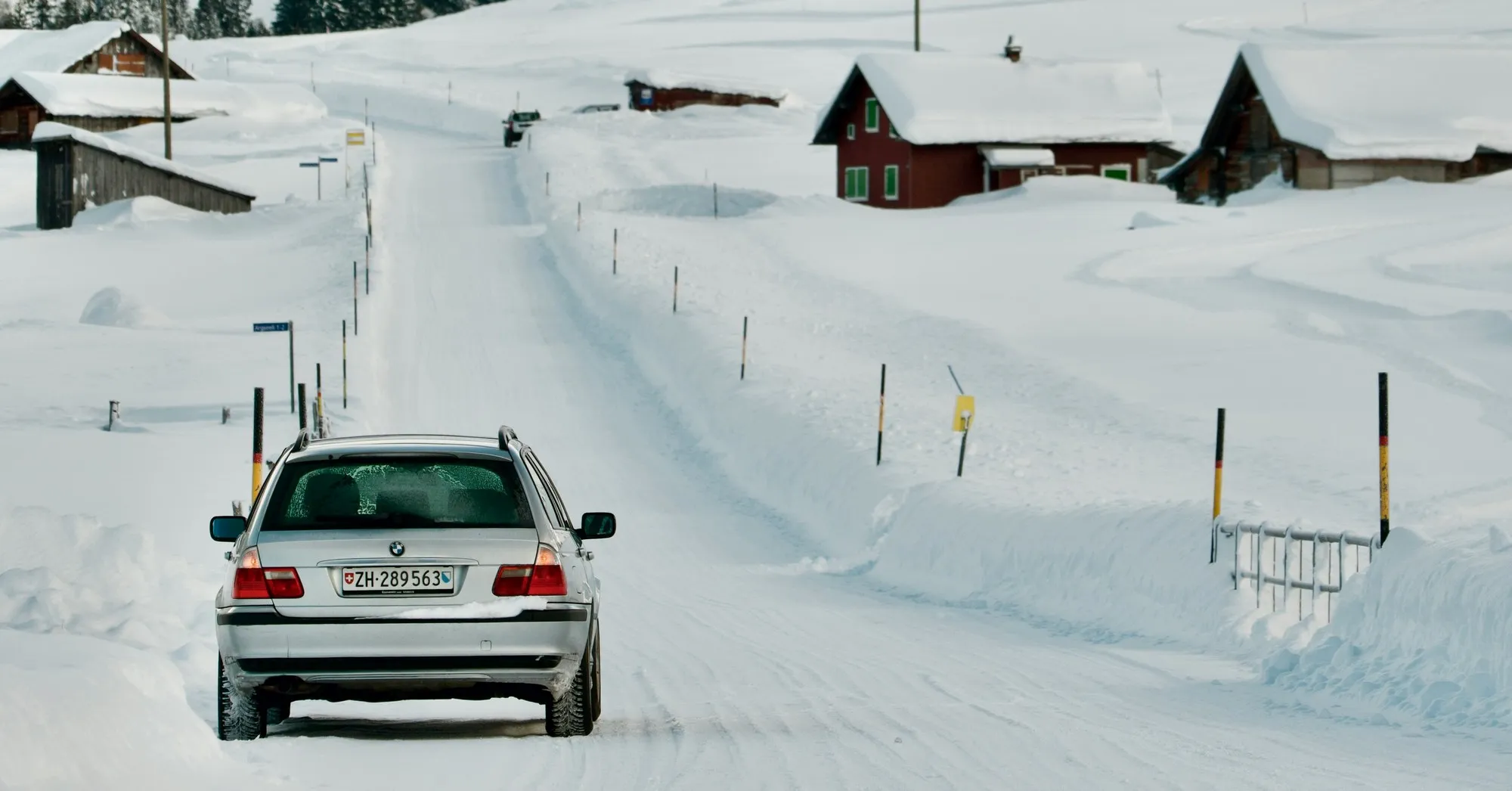
The main misconception among many drivers is the belief that studded tires are allowed everywhere there's snow. This is not true. In Europe, the attitude towards studs is strict.
- Central Europe (Germany, Poland, Czech Republic, France): the use of studded tires here is often prohibited by law, as they damage road surfaces. When renting a car in Munich or Milan, rest assured: the car will have friction winter tires (so-called "Velcro" or "friction tires") or all-season tires with M+S (Mud + Snow) marking.
- Scandinavia (Norway, Finland, Sweden): here, on the contrary, studs are welcomed and are often standard for rental cars due to harsh conditions.
- Winterization Fee: in most countries from November 1st to March 31st, rental companies charge a mandatory Winterization Fee. Make sure it's included in the final price when booking.
Snow Chains: Why and When?
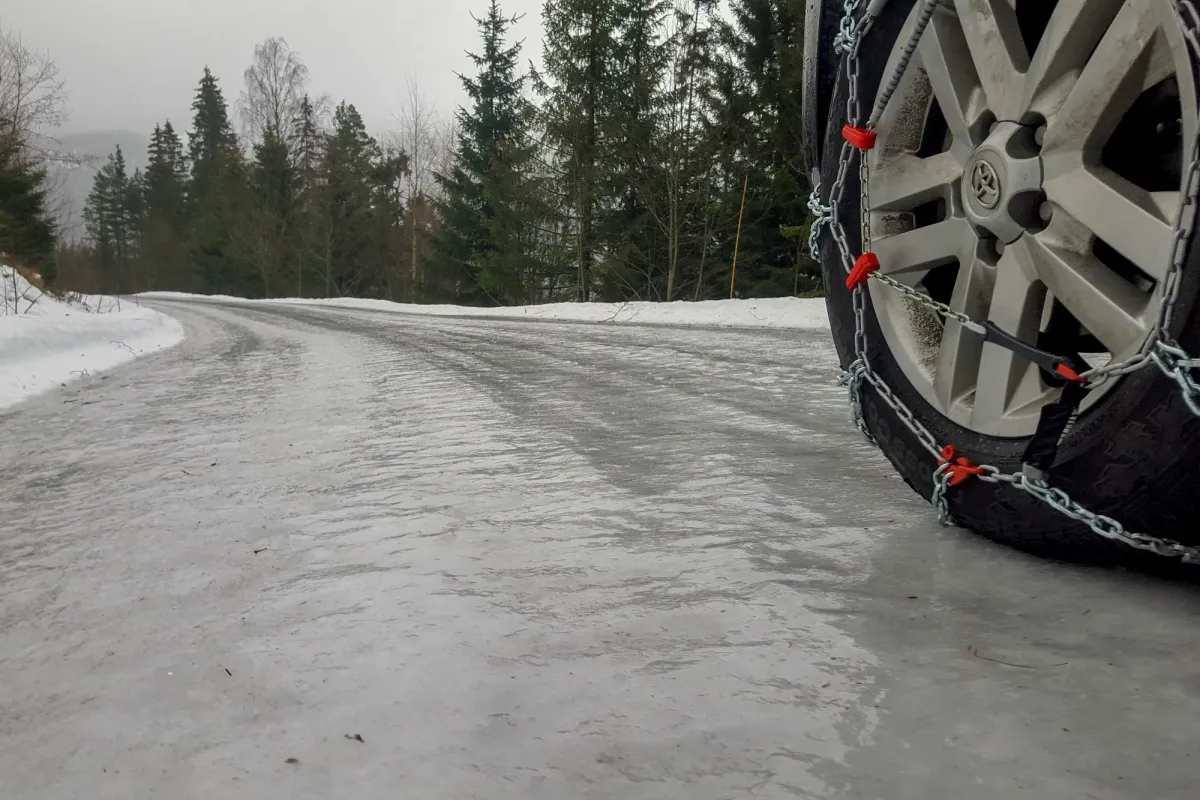
If studs are prohibited, but there's a steep, snow-covered mountain pass ahead, chains come to the rescue. In mountainous regions of Austria, Switzerland, Italy, and France, you often see a road sign: a blue circle with a tire in chains. This means that further travel without them is prohibited and punishable by a fine.
What you need to know:
- Rental: chains are rarely included in the basic cost. They must be ordered as an additional option.
- Practice: ask the rental agent to show you how to put on the chains while still in the warm parking lot. Doing it for the first time at night in a blizzard on the roadside is not for the faint of heart.
- Size: make sure the provided set matches the diameter of your car's wheels.
Insurance: What Not to Skimp on in Winter
Winter is a time of increased risks. Even an experienced driver is not immune to skidding on "black ice" or a chunk of ice from a snowplow.
Standard insurance (CDW) usually has an excess. In winter, it is highly recommended to take full insurance (Super Cover / Full Coverage), which covers:
- Damage to windows and headlights.
- Damage to the undercarriage (relevant in ruts).
- Tires and rims (curbs hidden under snow are a common cause of problems).
Car Acceptance Checklist
Before signing the agreement, check the car more thoroughly than in summer:
- Tread: depth should be at least 4 mm.
- Fluids: make sure the washer fluid reservoir contains winter washer fluid, not water.
- Inventory: a scraper and brush should be in the trunk.
- Battery: check how vigorously it cranks the starter when starting.

Where to Go and How to Get There?
The choice of route today depends on convenient flight logistics.
- Alps (Austria, Germany, Italy). This is a classic ski holiday destination. Since there are few direct flights to Europe now, the optimal option is to use a large hub. You can buy tickets from Moscow to Istanbul, and from there take a short flight to Munich, Milan, or Geneva, where you can rent a car. This route allows you to reach the best resorts with one comfortable transfer.
- Fjords and the North (Norway). If you want to see a truly harsh winter, look for tickets from St. Petersburg to Oslo (with a transfer, for example, via Belgrade or Istanbul). Norwegian roads in winter are a challenge, but local rental cars are perfectly prepared for it, often including studded tires.
Renting a car in winter requires responsibility. But it is precisely this that gives you that magical feeling when snow-covered fir trees glide past the warm car window, and you are 100% confident in your vehicle.