Budget Beijing: How Not to Go Broke in China's Capital
 Yasya
YasyaThe capital of China, an endlessly vast metropolis, astonishing in its scale and aspiration for the future. Beijing quickly overwhelms with its size. And its cost. But in reality, this city knows how to be hospitable even to those who are used to counting every yuan. If you plan to buy tickets to Beijing on Kupi.com, our tips will help you stay within budget and see all the most interesting sights without unnecessary expenses.
Choosing the Season
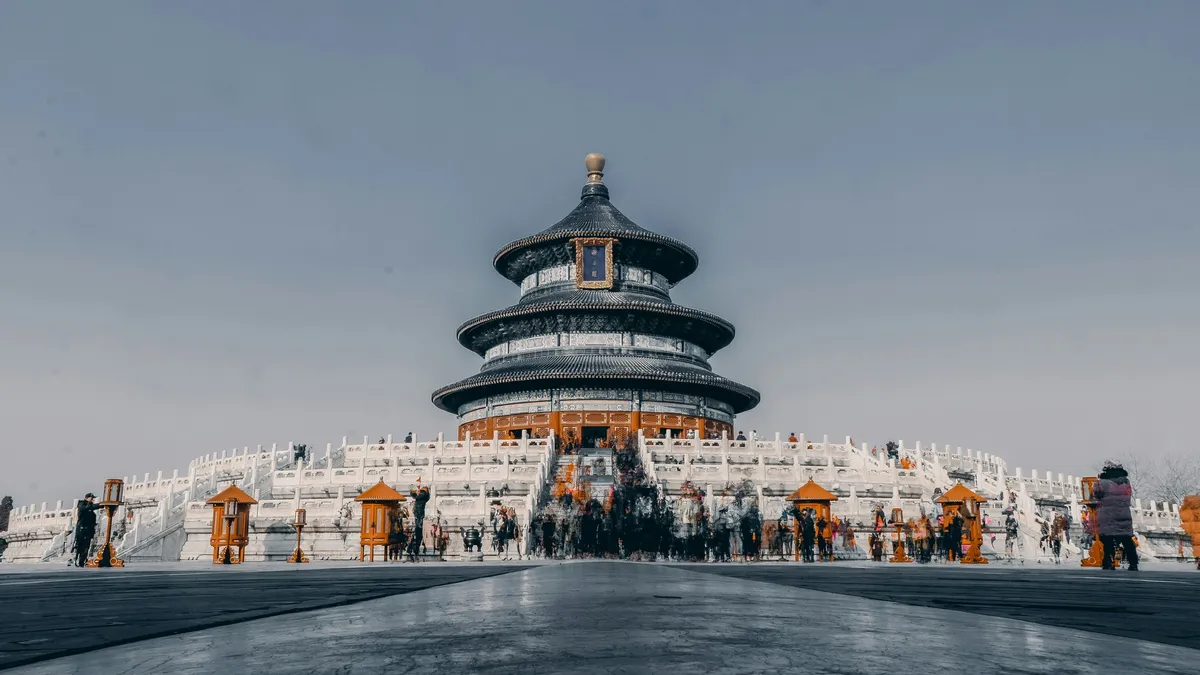
Choosing the right time for your visit is half the battle. Beijing has distinct seasonality, which directly affects the cost of accommodation and entrance tickets.
The ideal time is April-May and September-October. The weather is comfortable, and hotel prices haven't yet skyrocketed. However, avoid the “Golden Weeks” (early May and October) – during this time, all of China goes on holiday, prices double, and you can spend half your life in queues (after all, there are many, many people in China).
If you're not afraid of dry, frosty winds, a trip from December to February (excluding Chinese New Year) can also be budget-friendly. Hotels offer discounts, and entrance tickets to many attractions, including the Forbidden City and the Wall, are cheaper, as the low season rate applies during this time.
In July and August, Beijing is very hot and humid, and it's also school holiday season when the city is overflowing with domestic tourists. This is the most expensive and tiring period to visit – we do not recommend it, even if you really want to.
Transport
The first rule of budget Beijing – forget about taxis. The city is paralyzed by traffic jams, and meters in cars run relentlessly.
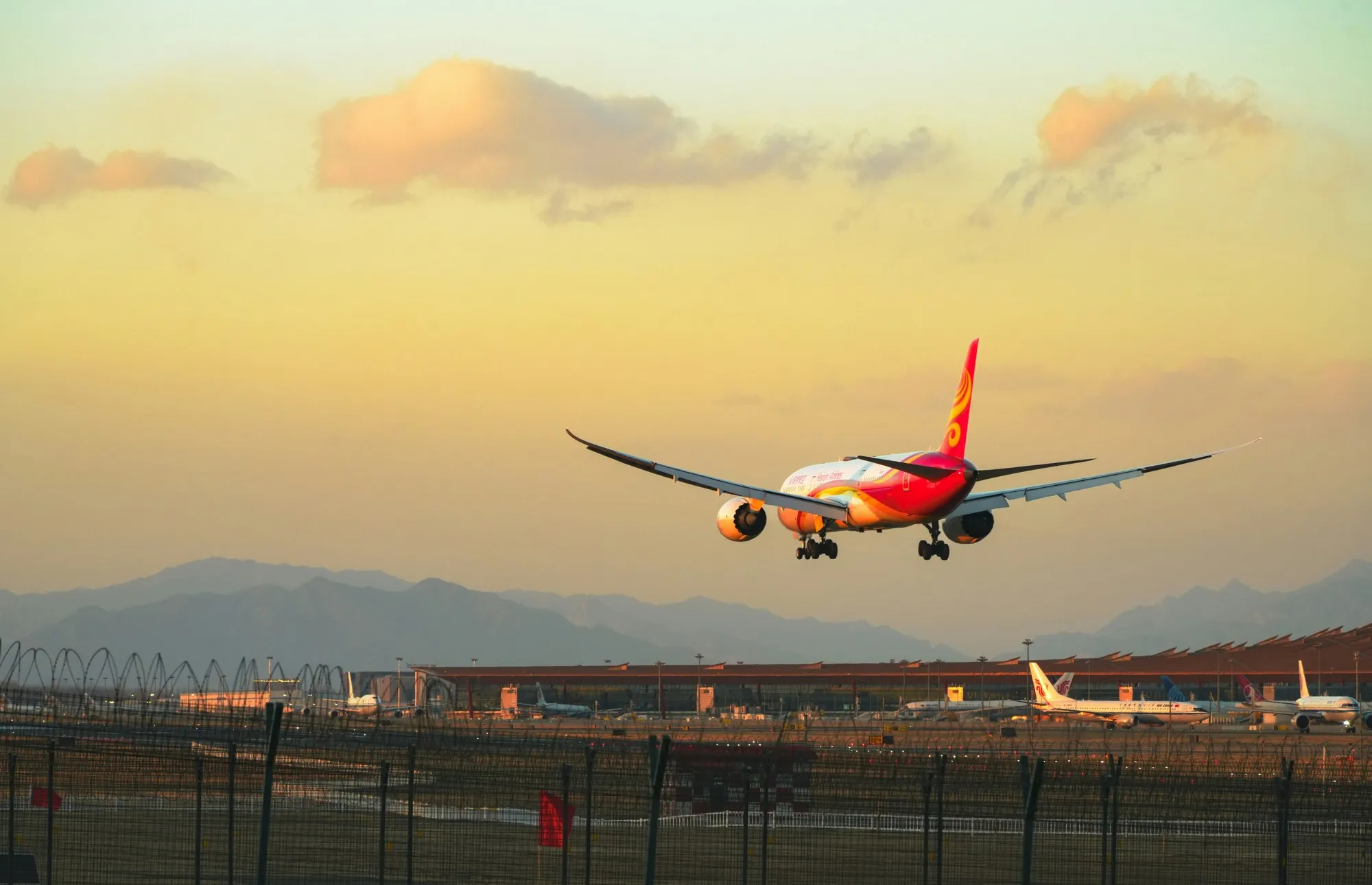
Immediately upon arrival at the airport or any metro station, purchase a Yikatong transport card. The deposit is about 20 yuan, but it provides significant discounts on buses (sometimes up to 50%). Before departure, the card can be returned, and the remaining balance refunded.
Another practical and fast way to get around is, of course, the metro. The cost of a trip depends on the distance but averages 3-7 yuan. The lines cover all key points, including remote summer residences.
If you have Alipay set up, use urban bike rentals. The cost is pennies, but you'll be able to explore authentic courtyards that aren't visible from a bus window.
Accommodation
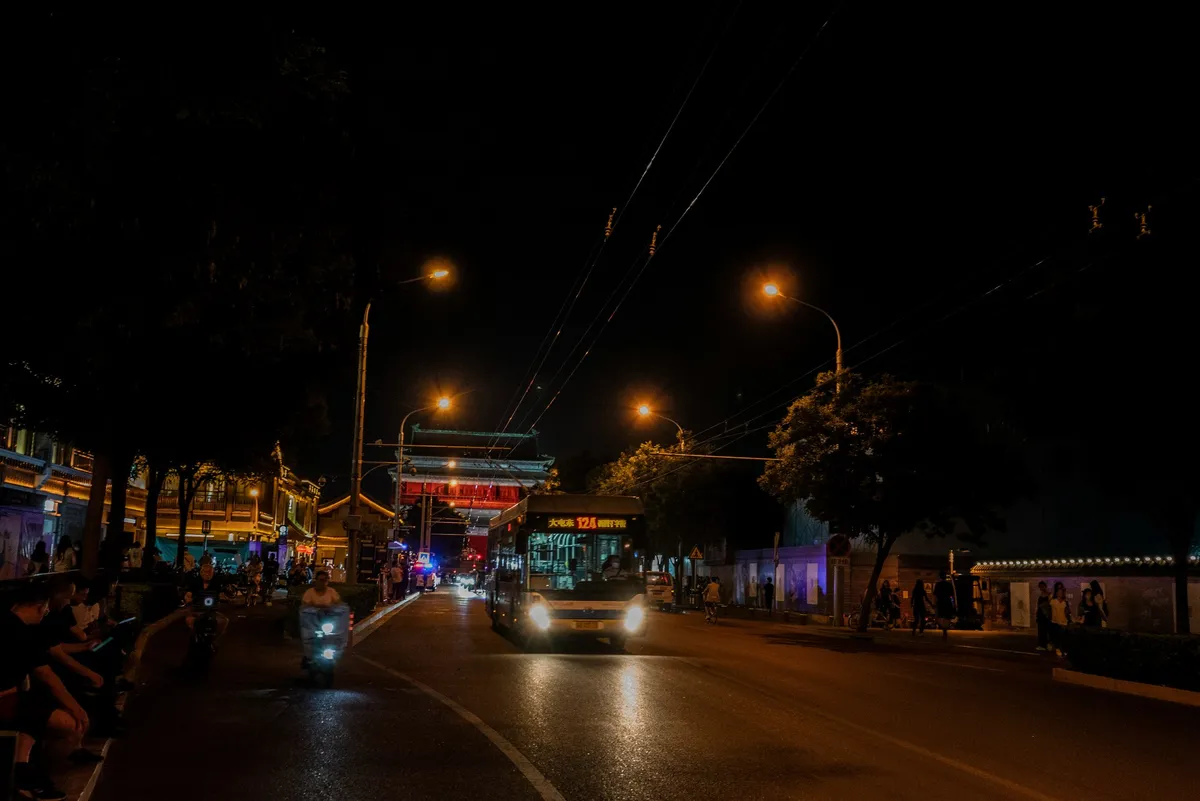
Choosing the right district in Beijing is not only a matter of saving money but also a way to save time on logistics. For a budget traveler, there are three proven areas where the price per night won't break the bank, and the infrastructure will allow you to feel comfortable.
Qianmen
This is probably the best option for those who want to live within walking distance of the main attractions (Tiananmen Square and the Forbidden City) but are not willing to pay for luxury hotels on Wangfujing Street. Many hostels and small 'siheyuan' style hotels (with inner courtyards) are concentrated here. In the evening, hundreds of street food stalls open nearby, where you can have an inexpensive dinner.
Haidian Student District
Willing to spend a little more than 15-20 minutes on the metro? Take a look at the northwestern part of the city. The country's leading universities are located here, which means life is geared towards students. A huge number of chain hotels (for example, Home Inn or Hanting) offer rooms at reasonable prices, and nearby are countless canteens where portions are huge, and prices are minimal.
Dongsi and Nanluoguxiang District
Locations for those looking for the atmosphere of old Beijing (hutongs), but with modern comfort. "Secret" guesthouses and youth hostels are hidden in the labyrinths of these alleys. This is a very lively area with small coffee shops and local designer stores. The place is permeated by metro lines 5, 6, and 8, allowing quick access to any point in the city.
Food
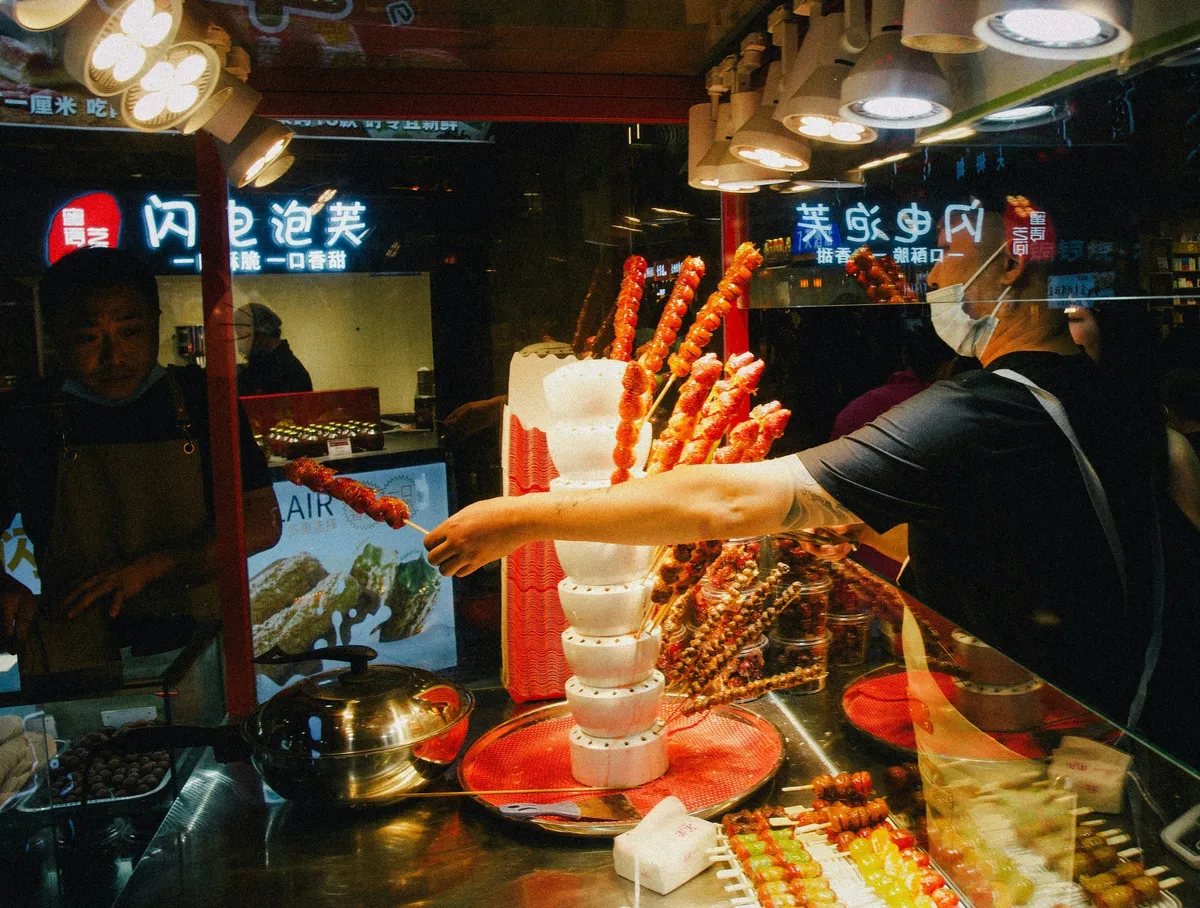
In Beijing, you don't need to go to a restaurant to eat well. The most vivid gastronomic experiences await you in "chifankas" – small family cafes. Look for places that fry jianbing (crispy pancakes with egg and greens) or sell hot baozi. A hearty breakfast will cost less than a cup of coffee in a chain coffee shop. Many cafes offer business lunches from 12:00 to 14:00 – huge portions of rice with meat and vegetables. And to avoid paying for a brand in expensive establishments, look for chain places like Siji Minfu. You'll have to queue, but the taste will be exemplary, and the price will be half that of tourist spots.
Cultural Program
China is not just about paid temples. Here's what you can see for free (or almost):
Jingshan Park: to see the Forbidden City in all its grandeur, you don't necessarily have to pay for entry into the palace itself (tickets are getting harder to obtain). Climb the hill in Jingshan Park. Entry costs about 2 yuan, and the panorama is the best in the city.
798 Art Zone – this is a former factory complex transformed into a contemporary art district. Entry to the area is free. You can spend the whole day here, looking at installations and graffiti.
National Museum of China on Tiananmen Square is free, but requires registration via WeChat several days in advance. It's a world-class treasure trove, well worth spending a few hours on.
The Great Wall of China
Don't buy excursions at hotels – they are 3-4 times more expensive than a self-organized trip. Instead, take an express bus from Dongzhimen metro station. You'll save on a guide and get the opportunity to walk along the wall at your own pace. The main thing is to leave as early as possible to get ahead of tourist groups.
Useful Tips
Drinking water: in all parks and at train stations, there are dispensers with free hot and cold water. Bring a thermos or bottle with you – in China, the culture of tea drinking and "hot water for health" will save your budget from daily expenses on drinks.
Apps: be sure to install an offline translator and a map app like Amap or Baidu. Google won't help here, and knowing which alley to turn into will save not only money but also time.
And finally, a reminder that until September 2026, Russian citizens do not need a visa to travel to China. With this innovation, traveling has become even easier and cheaper, as you save not only time on document processing but also a decent amount on visa fees.