Support

San Pedro de Coche

About

San Pedro de Coche is the beating heart of Coche Island, offering a tranquil escape from the hustle and bustle of everyday life. As the capital of the Villalba municipality in the state of Nueva Esparta, this coastal town perfectly embodies the laid-back Caribbean spirit found in Venezuela. It serves as the main entry point for visitors arriving by ferry, welcoming them with warm smiles and a distinctively peaceful atmosphere that defines the island.

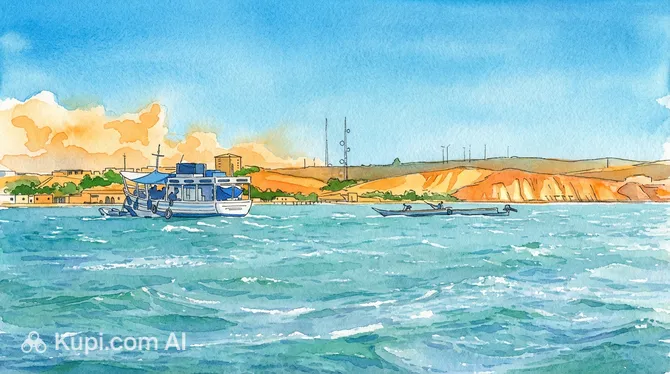
San Pedro de Coche. Illustration.
Source: Kupi.com AI

The town is steeped in tradition, originally thriving on pearl extraction and salt mining. Visitors interested in the past can delve into the fascinating history of San Pedro de Coche to learn how it evolved from a simple settlement into a beloved tourist destination. Today, the local economy is heavily influenced by fishing, and the waterfront is often picturesque with colorful boats and the daily catch being brought to shore.

Travelers are drawn here for the pristine natural beauty and excellent conditions for water sports. The nearby La Punta Beach is world-renowned for kiteboarding and windsurfing, thanks to its steady trade winds and calm, shallow waters. Beyond the adrenaline of sports, the town offers a chance to savor fresh seafood, particularly the island's famous shrimp, prepared in traditional styles. San Pedro de Coche is truly an idyllic spot for those seeking sun, sand, and authentic island culture.

Weather Overview

San Pedro de Coche enjoys a tropical semi-arid climate, making it a sun-seeker's paradise with bright skies and warm temperatures year-round. The island is known for its consistent weather, heavily influenced by the trade winds that provide a refreshing breeze against the Caribbean heat. These conditions are particularly favorable for outdoor activities and water sports, which are popular along the coast.

Travelers can generally expect hot days with very little rainfall, as the region remains dry for the majority of the year. While specific seasonal variations are minimal, the breeze is often stronger during the early months of the year. For the most up-to-date information to help plan your trip, you can check the current weather in San Pedro de Coche.

Average monthly temperature

Average monthly precipitation

Interesting Facts

Beyond the main attractions, San Pedro de Coche holds many fascinating secrets that reveal its deep historical and cultural roots. From literary connections to ancient legends, this quiet town offers more than just sun and sand for the curious traveler.

  • A Literary Setting: Few visitors realize that this island setting inspired the adventure novel Robinson’s Island (Wyspa Robinsona) by Polish author Arkady Fiedler. The story is based on the tale of a shipwrecked pioneer who reportedly survived here in the 18th century, blending local geography with fiction in a way that immortalized the landscape.

  • The Sacred "Piache" Stone: The town is home to the mysterious Piedra del Piache, a dark rock formation speckled with shiny particles that resembles an animal. It was once considered a sacred site by indigenous tribes, who performed rituals there to connect with their shamans, known as "piaches," believing the cave-like structure held spiritual power.

  • Birthplace of Folklore: San Pedro de Coche is the cradle of El Carite, one of the most iconic traditional dances in Venezuela. The lyrics to this famous folk song, which mimics the movements of fishing, were composed by the local poet Rafael González, cementing the town's status as a guardian of regional culture.

  • The Pink Salt Flats: The history of the town is intrinsically linked to its salt mines, which were once its economic engine. Today, the abandoned salt flats nearby can still turn a striking shade of pink due to natural microorganisms, creating a surreal and beautiful landscape that contrasts with the white sandy beaches.

How to Get There

Reaching the serene island destination of San Pedro de Coche typically involves a combination of air and sea travel, as the island itself does not host a commercial airport. Most visitors travel via neighboring Margarita Island, which serves as the primary transit hub for the region. For a comprehensive guide on planning your journey, you can read more about how to get to San Pedro de Coche.

The most common route is to fly into Santiago Mariño Caribbean International Airport (PMV), located near Porlamar on Margarita Island. This airport connects the region with Caracas and other major Venezuelan cities, as well as offering some international routes. Since the airport is not located in San Pedro de Coche, travelers must take a taxi or shuttle from the terminal to one of the nearby departure points, such as Playa El Yaque or La Isleta.

From the coast of Margarita, the final leg of the trip is a short and scenic boat ride across the Caribbean Sea. Ferries and smaller boats, locally known as "peñeros," operate frequently between the islands. The crossing typically takes about 20 to 30 minutes, delivering passengers directly to the pier in San Pedro de Coche or to specific hotel jetties, welcoming guests to the island's tranquil atmosphere.

Main Attractions

San Pedro de Coche may be a small and tranquil town, but it serves as the perfect gateway to some of the most captivating sights on Coche Island. While the town itself is compact and easy to explore on foot, it acts as the central hub for discovering the island's natural wonders, pristine coastlines, and cultural landmarks. Visitors will find that the main appeal lies in the stunning outdoor environments that surround this peaceful community.

Undoubtedly the most famous spot is Playa La Punta, located just a short walk from the town center. This extensive stretch of blindingly white sand and turquoise water is the heartbeat of the island's tourism. It is globally recognized as a premier destination for kitesurfing and windsurfing due to the consistent, gentle trade winds and calm waters lacking strong currents. Even if you are not into water sports, it is an exceptional place to relax, watch the colorful kites dance in the sky, and enjoy fresh seafood at the local beach shacks.

For a touch of local culture and history, a visit to the Iglesia de San Pedro Apóstol is a must. Situated in the main square, this charming church stands as a symbol of the community's deep-rooted faith and traditions. Its architecture is simple yet picturesque, reflecting the modest and welcoming nature of the island's inhabitants. The square around the church is a pleasant place to sit in the shade, observe local life, and perhaps catch a glimpse of the preparations for the patron saint festivals held in June.

A short trip from the town leads to the romantic Playa El Amor (Love Beach). Unlike the long open stretch of La Punta, this beach is tucked away near cliffs that glow with reddish hues in the sunlight, creating a dramatic contrast with the blue sea. The water here is incredibly calm and inviting, making it a favorite spot for couples and those seeking a quiet retreat. The scenic drive or boat ride to get here offers wonderful views of the island's arid, rugged landscape.

Finally, the shimmering Las Salinas (Salt Flats) offer a surreal visual experience. Historically significant for the local economy, these salt pans are a photographer's dream, often displaying striking shades of pink and white depending on the time of day and sunlight. Walking near the flats allows visitors to appreciate the stark, natural beauty of the island and understand the industry that sustained San Pedro de Coche for generations before tourism took hold.

Local Cuisine

The culinary scene in San Pedro de Coche is a direct reflection of its coastal heritage, offering a true "sea-to-table" experience where freshness is the highest priority. As a fishing town at its core, the local gastronomy revolves almost entirely around the daily catch brought in by the colorful boats that line the shore. Visitors can expect simple yet incredibly flavorful meals, where the natural taste of high-quality seafood takes center stage without the need for complex sauces or elaborate preparation.

Among the main dishes you must try, fried fish (pescado frito) is the undisputed king of the island's menu. Typically prepared with Red Snapper (Pargo) or Kingfish (Carite), it is seasoned lightly and fried until golden and crispy, then served with distinctively Venezuelan sides like arepas, savory fried green plantains known as tostones, and fresh coleslaw. Another local legend is the Fosforera, a rich and hearty seafood soup packed with shrimp, squid, clams, and fish. Locals often joke about its restorative properties, calling it a "levanta muertos" (raiser of the dead) due to its high nutrient content and intense flavor.

To cool down in the tropical heat, there is nothing quite like a fresh Cocada. This creamy, non-alcoholic smoothie is made from fresh coconut meat, milk, and ice, often served right out of the shell by vendors along the beach. For those looking for something stronger, Venezuela is famous for its high-quality rum, which is the base for many island cocktails. Alternatively, enjoying an ice-cold Polar beer with your feet buried in the sand is a classic way to embrace the laid-back island lifestyle.

The food culture in San Pedro de Coche is delightfully informal and inextricably linked to the beach. While the all-inclusive hotels offer extensive buffets, the most authentic dining experiences are found in the open-air kiosks and churuatas (thatched-roof huts) scattered along Playa La Punta. Here, the atmosphere is relaxed and friendly, allowing you to enjoy fresh oysters shucked right at your table or a plate of grilled shrimp while watching the kitesurfers glide over the turquoise waters.

Travel Tips

Welcome to the serene shores of San Pedro de Coche, where time seems to slow down to the rhythm of the waves. To ensure your visit is as relaxing and trouble-free as the island lifestyle itself, we have compiled a list of essential practical tips for your journey.

  1. Sun-Smart and Casual Clothing. Given the tropical semi-arid climate, lightweight and breathable fabrics are your best friends here. Pack high-SPF sunscreen, a wide-brimmed hat, and polarized sunglasses to protect against the intense Caribbean sun. The dress code is very casual; swimwear and flip-flops are the norm, though it is polite to wear a cover-up or t-shirt when walking through the town center or visiting the church.
  2. Getting Around the Island. San Pedro de Coche is compact and easily navigable on foot. There is no public transport system like buses or metros. For visiting distant spots like Playa El Amor, you can hire a local taxi or hop onto one of the open-air trucks used for tours. Most visitors rely on walking or hotel shuttles for their daily needs.
  3. Cash is King. While the local currency is the Venezuelan Bolívar, US Dollars in cash are widely accepted and often preferred for small purchases. Credit card terminals can be unreliable due to internet connectivity issues, and ATMs are scarce or often out of service for international cards. Bring plenty of small denomination bills ($1, $5, $10) for tips, souvenirs, and beach snacks.
  4. Health and Hydration. Medical facilities on the island are basic, and pharmacies may have limited stock. It is highly recommended to bring your own supply of essential medications and a basic first-aid kit. Strictly avoid drinking tap water; always opt for sealed bottled water to prevent stomach upsets.
  5. Language and Connection. The main language is Spanish, and English proficiency is generally limited to staff at major hotels. Learning a few basic phrases like "Hola" (Hello) and "Por favor" (Please) will be greatly appreciated by the locals. Wi-Fi is available in most hotels but can be slow; for better connectivity, purchase a SIM card (Movistar or Digitel) on the mainland or Margarita Island before arriving.
  6. Island Etiquette. Venezuelans are warm and polite people. It is customary to greet shopkeepers or passersby with a friendly "Buenos días" or "Buenas tardes." The pace of life here is distinctly slow, known as island time. Embracing this relaxed tempo rather than demanding quick service will make your interactions much more pleasant.
  7. What to Avoid. Avoid taking photos of people without asking for permission first, as some locals may be shy or private. Additionally, do not rely solely on digital payments; being without cash can leave you unable to pay for a taxi or a meal at a local kiosk if the system goes down.
  8. Sunset Protection. While the days are breezy and pleasant, mosquitoes and sandflies ("jejenes") can become active around dusk, especially near the salt flats or mangroves. Specific insect repellent is a must-have item in your bag to ensure you can enjoy the beautiful sunsets comfortably.

Armed with these practical insights, you are all set to fully immerse yourself in the tranquility of San Pedro de Coche. Leave your worries behind and get ready to experience the warmth and beauty of this Caribbean paradise!

Entertainment & Nightlife

Unlike the vibrant and bustling nightlife of neighboring Margarita Island, the evening scene in San Pedro de Coche is defined by serenity and relaxation. Travelers looking for thumping nightclubs, neon-lit districts, or crowded discos will not find them here. Instead, the nightlife is intimate and low-key, centered almost entirely around the major hotels and the soothing sounds of the Caribbean Sea. The atmosphere is perfect for those who prefer sipping a cocktail under the stars to dancing until dawn.

The hub of evening activity is undoubtedly the area surrounding Playa La Punta. As the sun sets, the focus shifts from the water sports centers to the open-air bars and restaurants located within the island's all-inclusive resorts. Venues such as the Sunsol Punta Blanca and Hotel Coche Paradise are the primary providers of entertainment. These resorts typically organize nightly shows for their guests, ranging from live Caribbean music and traditional dance performances to interactive contests. While these events are geared towards hotel guests, the festive spirit often spills out onto the beach, creating a cheerful ambiance along the shore.

Outside of the resorts, the options are modest but charming. Small, local beach shacks (kiosks) that serve lunch may stay open until just after sunset, offering a chance to enjoy a cold beer or a rum cocktail with your feet in the sand. The vibe is incredibly casual; there is no strict dress code anywhere on the island. Shorts, flip-flops, and light summer dresses are the standard attire, even for evening dining. The crowd is a mix of families, couples, and kitesurfers winding down after an active day.

For those planning a night out, timing is everything. The "nightlife," such as it is, starts early—usually around dinner time (7:00 PM to 9:00 PM)—and winds down by midnight. Since most entertainment is contained within the hotel grounds, getting around is simply a matter of walking from your room to the pool area or bar. If you decide to venture into the town square of San Pedro for a quiet evening stroll, it is generally safe, but the streets are dimly lit and very quiet. Taxis are not readily available at night, so it is best to stay within the resort areas or arrange transport in advance if absolutely necessary.

Regarding daytime entertainment, San Pedro de Coche offers a different kind of thrill. While you won't find theaters, large museums, or amusement parks, the island is a world-class destination for water sports. The days are best spent at Playa La Punta, watching or participating in high-adrenaline kitesurfing and windsurfing. For a more cultural experience, a daytime walk to the town center to see the local church or a boat tour to the nearby salt flats provides a gentle break from the sun and sand.

Parks & Museums

San Pedro de Coche is a destination defined more by its raw, natural landscapes and living traditions than by manicured city gardens or extensive museum complexes. The "green spaces" here are often shades of terracotta, white, and turquoise, reflecting the island's arid beauty and coastal charm, while its cultural heritage is preserved in the daily lives of its people and historical landmarks rather than behind glass cases.

Las Salinas (The Salt Flats) stand out as the most spectacular natural area near the town. These vast expanses of salt pans are not only historically significant for the local economy but are also a visual marvel. Depending on the position of the sun and the density of microorganisms in the water, the flats shift in color from blinding white to deep pinks and purples. Walking along the edges of the flats offers a surreal experience, providing a stark contrast to the blue Caribbean sky and a perfect backdrop for photography enthusiasts.

Another significant natural landmark is the Piedra del Piache, located a short distance from the town center. This geological formation is steeped in indigenous legend and serves as a natural monument to the island's pre-Columbian history. It is a large rock shelter that was once revered by the native Guaiquerí people as a sacred space for their shamans, or "piaches." Today, it remains a fascinating spot for a hike, offering visitors a connection to the mystical past of the island amidst its rugged terrain.

When it comes to museums and galleries, San Pedro de Coche offers a modest but authentic cultural scene. There are no large national museums here; instead, the town's history is curated within its community spaces. The Casa de la Cultura (Culture House) is the focal point for artistic expression in the municipality. It frequently hosts exhibitions of local crafts, workshops, and rehearsals for traditional dances like El Carite. It is the best place to witness the vibrant folklore that defines the island's identity and to see art created by local residents.

The Iglesia de San Pedro Apóstol acts as both a spiritual center and a guardian of religious art. While primarily a place of worship, this architectural gem houses statues and religious iconography that date back generations. The structure itself, with its distinct colonial influence and well-preserved façade, tells the story of the town's development since the 16th century. Visitors are welcome to admire the simple beauty of the interior, which reflects the humble and devout nature of the fishing community.

For those interested in historical sites, the Plaza Bolívar serves as the town's open-air living room and historical heart. Surrounded by colonial-style buildings and shaded by trees, it features a statue of Simón Bolívar and serves as a gathering point for locals. The architecture around the square offers a glimpse into the past, with colorful facades and red-tiled roofs that have withstood the test of time and the salty sea breeze.

For a truly authentic experience, take a walk to the old pier area in the late afternoon. This isn't a marked tourist attraction, but watching the fishermen repair their nets and prepare their boats is a "living museum" of maritime history that no ticket can buy. Engaging with them—even with just a smile—often reveals stories of the sea that have been passed down through families for centuries.

Getting Around

San Pedro de Coche is a compact and serene destination where the concept of public transport differs significantly from large urban centers. Visitors should not expect to find subways, trams, or scheduled municipal bus services here. Instead, the local transport network is informal, relying primarily on a mix of independent taxis and privately operated vehicles that connect the main town with the few other settlements and beaches on the island.

The most common form of motorized transport for tourists is the taxi. These are often older model sedans or, more frequently, modified pick-up trucks fitted with benches and a roof in the back, locally referred to as "chivas" or safari-style trucks. These trucks are particularly popular for moving groups of tourists between the pier, hotels, and beaches like Playa La Punta. While they don't follow a strict timetable or have numbered routes, they can usually be found waiting near the ferry terminal or arranged through hotel reception desks.

Regarding payment, the system is entirely cash-based and decentralized. There are no travel cards, electronic passes, or mobile apps to pay for rides. Fares are generally fixed for specific destinations, such as the trip from the town to a specific resort, but it is essential to confirm the price with the driver before getting into the vehicle. Small denomination US dollars are widely accepted and often preferred. It is advisable to carry exact change, as drivers may not always have bills to break a larger note.

For the majority of visitors, the best alternative to motorized transport is simply walking. San Pedro de Coche is small enough that the town center, the main church, and the primary beach are all within comfortable walking distance of each other. The terrain is flat, making it easy to navigate on foot, though the midday heat can be intense. Some hotels also offer bicycle rentals, which provide a breezy and leisurely way to explore the coastline and nearby paths at your own pace.

Practical advice for using transport here revolves around planning and patience. Since vehicles do not operate on a continuous loop like city buses, availability can decrease significantly after sunset. If you plan to dine out away from your hotel or visit a secluded spot for sunset, ensure you have a return ride arranged with a driver beforehand. Always negotiate or confirm the fare in advance to avoid misunderstandings, and embrace the island's slow pace—drivers are friendly, but urgency is rarely part of the local culture.

Accommodation

Accommodation in San Pedro de Coche is designed to complement the island's reputation as a sanctuary of peace and relaxation. Unlike the bustling urban centers or the high-rise hotel districts found elsewhere in Venezuela, the lodging scene here is characterized by low-rise, sprawling resorts that blend harmoniously with the arid, coastal landscape. The primary focus is on providing a stress-free environment where guests can disconnect from the world and enjoy the natural beauty of the Caribbean.

The island is best known for its all-inclusive resorts, which are the most popular choice for travelers. These properties are typically located directly along the shores of Playa La Punta, offering immediate access to the white sands and turquoise waters. The all-inclusive concept is particularly well-executed here, allowing visitors to enjoy buffet-style dining, refreshing beverages, and daytime activities without ever needing to leave the hotel grounds. This setup is ideal for families and water sports enthusiasts who want to maximize their time on the beach.

Among the most prominent establishments are Sunsol Punta Blanca and Hotel Coche Paradise. These resorts are celebrated for their architecture, which often features cabana-style rooms or bungalows nestled within tropical gardens. This layout provides a sense of privacy and space that standard hotel blocks cannot match. Guests can expect amenities such as expansive swimming pools, on-site water sports centers for kitesurfing and windsurfing, and evening entertainment programs that showcase local culture.

For those seeking a more intimate experience, there are a few smaller inns and guesthouses, known locally as posadas, though the large resorts dominate the market. Regardless of where you choose to stay, air conditioning is an essential amenity due to the year-round heat. While most hotels offer Wi-Fi, it is worth noting that internet speeds can be slower than on the mainland, encouraging guests to spend less time online and more time enjoying the sunset.

When planning your stay, it is highly recommended to book well in advance, especially if you are traveling during Venezuelan national holidays or the peak kitesurfing season (January to May). Prices are generally quoted in US dollars, and many packages include ferry transfers from Margarita Island, adding an extra layer of convenience to your trip. Whether you are looking for a romantic getaway or an active sports vacation, the hotels in San Pedro de Coche offer a comfortable and picturesque base for your island adventure.

Nearby Cities

While San Pedro de Coche is prized for its isolation and serenity, it serves as an excellent base for exploring the vibrant life of neighboring Margarita Island. A short and scenic ferry ride connects visitors to a different world of commerce, history, and gastronomy, allowing for exciting day trips without sacrificing the peaceful nights on Coche.

The primary destination for most travelers is Porlamar, the commercial capital of the region. It is widely regarded as the main hub for shopping and dining, attracting those who want to trade the beach for a few hours of retail therapy. Visitors can explore bustling avenues filled with shops, duty-free zones, and modern malls. Beyond shopping, Porlamar offers a diverse culinary landscape, ranging from local Venezuelan eateries to international restaurants, making it a perfect spot for a lively lunch or dinner.

For a mix of culture and upscale leisure, Pampatar is another must-visit city nearby. It is celebrated for its rich history, anchored by the impressive Castillo San Carlos Borromeo, a colonial fortress overlooking the sea. Pampatar is also known as the gastronomic center of the island, featuring trendy seaside restaurants and bars. Additionally, travelers can visit La Asunción, the state capital, to admire its colonial architecture and lush, green surroundings, offering a quieter cultural experience compared to the busy coast.

Shopping & Souvenirs

San Pedro de Coche offers a very modest shopping experience compared to the commercial hubs on the mainland or neighboring Margarita Island. The retail scene here is quiet and functional, catering primarily to the basic needs of locals and the beach-going essentials of tourists. You will not find luxury boutiques or sprawling department stores; instead, the charm lies in small, family-run establishments and open-air stalls that reflect the simple island lifestyle.

The commercial activity is concentrated in the small town center, particularly along the streets surrounding the main square and the church. Here, you can find small grocery stores (bodegas), pharmacies, and shops selling casual clothing, flip-flops, and beachwear. Additionally, the area along Playa La Punta features various kiosks and itinerant vendors targeting visitors, offering items like sunscreen, sunglasses, and hats directly on the sand.

It is important for travelers to know that there are no shopping malls or large commercial centers in San Pedro de Coche. The island retains a rustic atmosphere devoid of modern retail complexes. Visitors looking for a comprehensive shopping spree, including international brands and electronics, should take the ferry to the nearby city of Porlamar on Margarita Island, which is known as a major shopping destination in Venezuela.

While there is no large central market for tourists, the "market" experience here is informal and authentic. In the mornings, you might encounter fishermen selling their fresh catch near the pier, offering a glimpse into local commerce. For visitors, the most relevant markets are the clusters of artisan stands often set up near the major hotels or the beach entrance, where local craftspeople display their handmade goods.

When looking for mementos to take home, focus on locally handcrafted items that celebrate the ocean. Artisans in San Pedro de Coche are known for creating beautiful jewelry, decorative boxes, and ornaments made from sea shells, pearls, and coral. You may also find simple artisan crafts made from wood or woven fibers. These make for unique, affordable, and authentic gifts that directly support the local families.

Shops in the town typically open around 8:00 AM or 9:00 AM. It is common for smaller businesses to close for a few hours during the midday heat (siesta time) between 12:00 PM and 2:00 PM, reopening until early evening, around 6:00 PM or 7:00 PM. Regarding payment, cash is the most reliable method. While some larger hotels accept cards, most small shops and beach vendors prefer US dollars in small denominations.

San Pedro de Coche, being part of the state of Nueva Esparta, is included in the Free Port (Puerto Libre) zone. This means that goods are generally exempt from Value Added Tax (VAT). While this makes prices attractive, the limited variety of goods on Coche Island means that tourists typically take advantage of this tax-free status for larger purchases during day trips to neighboring Margarita.
Reached the end of the page?

That means the route is fully explored