Support

St Mawes Castle

About

On the picturesque banks of the River Fal estuary stands one of the most perfect examples of Tudor fortification—St Mawes Castle. This unique artillery fort was built by order of the legendary King Henry VIII between 1540 and 1542. Located near the town of Falmouth in the county of Cornwall, the fortress is considered today one of the best-preserved coastal citadels ever built by the United Kingdom.
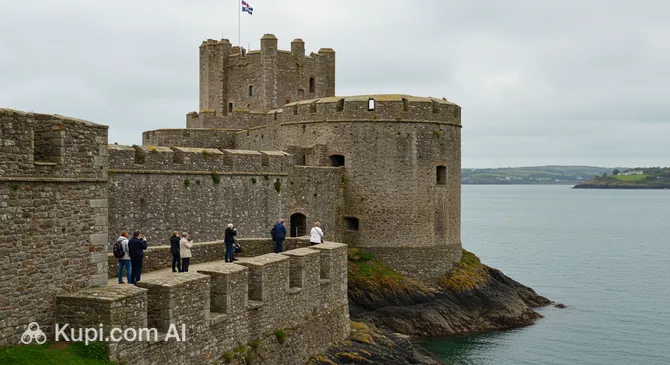
St Mawes Castle. Illustration.
Source: Kupi.com AI

Traveler photos:

The castle is striking for its unusual architecture: in plan, it resembles a clover leaf. This engineering solution allowed for three semi-circular bastions to be placed around a central four-story tower, creating ideal platforms for heavy artillery. The fortress walls, built from local slate and granite, still bear exquisite 16th-century carvings of gargoyles and sea monsters, highlighting the status of the royal project.

Today, it is not just a historical site but a true open-air museum, part of the English Heritage collection. Visitors are drawn here not only by the military power of the past but also by the remarkable harmony of functionality and beauty, as well as the strategic location offering breathtaking views of the sea.

Contacts

To plan your visit to St Mawes Castle, it is helpful to know the current contact details. The fortress is managed by English Heritage, an organization dedicated to preserving the country's historical heritage.

How to contactContact
AddressCastle Dr, St Mawes, Truro TR2 5DE, UK
Phone+44 370 333 1181
Websitewww.english-heritage.org.uk

What to Do

At St Mawes Castle, visitors can expect a fascinating journey through the four levels of the central tower. Here, you can peek into rooms with authentic fireplaces where the garrison once spent their time. On the third floor is the Great Hall, which served as living space, while the top of the tower is an open observation deck offering a stunning panorama of Falmouth Bay.

Special attention should be paid to the artillery platforms. The bastions display cannons from the 18th and 19th centuries, but the jewel of the collection is the 1560 Alberghetti bronze gun, which was salvaged from a shipwreck. Walking through the fortress, you can personally appreciate the firing angles that made this fort virtually impregnable to enemy ships.

For those seeking unique experiences, the castle offers the opportunity to hold a romantic ceremony here—the upper platform is officially used for weddings. Even if you are just a tourist, be sure to take time to examine the stone carvings on the walls and enjoy the silence by the water, imagining Tudor soldiers standing watch here centuries ago.

Getting There

There are several ways to reach this historic landmark. St Mawes Castle is located in the seaside village of the same name. If you are traveling by car, follow the address Castle Drive, St Mawes. A journey along the scenic roads of Cornwall to the city of Truro and then towards the coast will offer plenty of pleasant views.

For those who prefer public transport, the most convenient option is to take a train or bus to the town of Falmouth. From here, perhaps the most spectacular route begins—the ferry crossing across the River Fal estuary. The boat trip not only shortens the journey but also allows you to see the fortress's powerful walls from the water, appreciating its strategic grandeur.

You can also walk to the castle from the center of St Mawes village in just a few minutes. If you are in Falmouth and do not want to wait for the ferry, you can use a local taxi, although the overland route around the estuary takes significantly longer than the sea trip.

Nearest city: Falmouth

History & Facts

The history of St Mawes Castle's construction began in March 1540 under the watchful eye of Thomas Treffry. The project was part of Henry VIII's extensive defensive program. Surprisingly, the main part of the work was completed in just six months, and by December, a garrison was stationed in the fortress, although final touches continued until 1542. The total construction cost was an impressive £5,018 for that time.

An interesting feature is the interaction between St Mawes and its "neighbor"—Pendennis Castle. They were designed as a single defensive system: the cannons of both forts provided overlapping fire, completely controlling the entrance to the estuary's waterways. However, unlike its counterpart, St Mawes has undergone almost no major alterations, preserving its original Tudor appearance.

During the English Civil War, the castle was held by supporters of King Charles I, but in 1646, it surrendered to Parliamentary forces almost without a fight. Thanks to this quick capitulation, the building avoided destructive sieges. Later, during the Napoleonic Wars, the castle regained its military significance, serving as barracks for a garrison of 70 men. It wasn't until 1920 that the site's military history concluded, and it passed into state care as a historical monument.

Time Needed

Most tourists need 1 to 2 hours for a thoughtful exploration of St Mawes Castle. This is plenty of time to leisurely examine all four levels of the central tower, peek into the garrison's living quarters, and stroll through the artillery bastions.

If you plan to not only admire the architecture but also enjoy the panoramic views of the bay, take photos of the historic cannons, or have a short rest on the grounds, it is worth setting aside a little more time. The views surrounding the castle invite contemplation and a peaceful end to the excursion before returning to town.

Working Hours

The castle is open to the public daily, making it easy to include in your travel plans. The opening hours are consistent throughout the week:

  • Monday — Sunday: 10:00 AM – 5:00 PM

Please note that the last entry is usually permitted half an hour before closing, so it is recommended to arrive no later than 4:00 PM to have time to explore all levels of the tower and the bastion grounds.

10:00 – 17:00

Nearby

Falmouth Bay and its surroundings are rich in interesting locations that will help you dive deeper into the maritime and military history of the region. A walk along the coast or a short ferry ride will reveal many memorial sites and architectural landmarks.

NameDistance
Pendennis Castle1.9 km
Pendennis Point1.9 km
Castle Beach2.5 km
National Maritime Museum Cornwall2.7 km
The Verdant Seafood Bar3 km
Indidog Harbourside Restaurant3.2 km
Beerwolf Books3.3 km

Reached the end of the page?

That means the route is fully explored