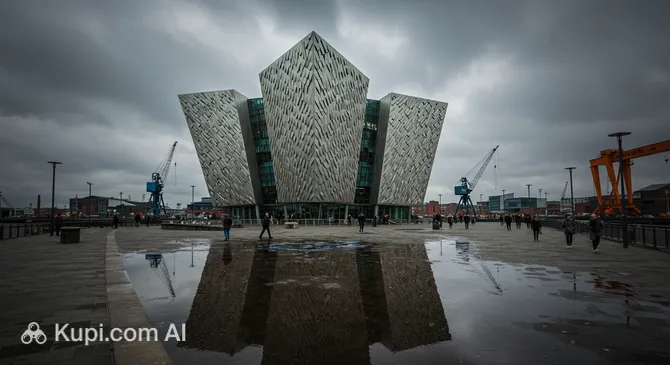
Navigating Belfast is remarkably straightforward thanks to its compact size and efficient public transport network. The system is primarily operated by Translink, which integrates bus and rail services, making it easy for visitors to get around the city and its suburbs. While the city center is walkable, the public transport options are modern, clean, and reliable, offering a convenient way to reach attractions like the Titanic Quarter or the parliament buildings at Stormont.
The backbone of the city's transport is the bus network, which is divided into two main services: Metro and Glider. The Metro buses are distinctively pink and cover the majority of residential and commercial areas within the city. They operate on numbered corridors, making route planning simple. A newer addition is the Glider, a rapid transit system featuring long, purple, tram-like articulated buses. The Glider connects East and West Belfast and the Titanic Quarter with the city center, offering a fast and smooth service with fewer stops and dedicated lanes.
For travel to the outer suburbs or nearby coastal towns like Bangor and Holywood, NI Railways provides a fast and scenic option. The train network is less about inner-city commuting and more suited for day trips or reaching areas just outside the main urban sprawl. Trains are comfortable and generally run on a reliable schedule, departing from key hubs like Great Victoria Street (now replaced by the Grand Central Station hub) and Lanyon Place.
Paying for transport is designed to be flexible. The most convenient option for tourists is the mLink mobile app, which allows you to buy tickets instantly on your phone for Metro, Glider, and rail services. Alternatively, you can purchase a DayLink travel card, offering unlimited travel on Metro and Glider buses for a full day. Contactless payment with credit or debit cards is also widely accepted on board Metro buses. However, a crucial rule for the Glider service is that you must purchase or validate your ticket at the halt before boarding; you cannot buy tickets from the driver.
Fares are generally affordable, with a typical day ticket costing around £3.50 to £4.50, depending on the zones you wish to travel in. If you prefer paying with cash, it is still accepted on Metro buses, but having the exact fare is highly recommended to keep the service moving. For longer stays, the iLink smartcard offers unlimited travel across buses and trains within specified zones and can be topped up at stations or participating shops.
Public transport generally operates from around 6:00 AM until 11:00 PM. On weekends, special "Nightmover" services often run on popular routes to help late-night revelers get home safely. It is always wise to check the latest timetables via the Translink website or app, especially on Sundays or public holidays when frequencies may be reduced.
For those who prefer active travel, Belfast Bikes offers a public bicycle rental scheme with over 50 docking stations scattered throughout the city. You can register via an app or at a terminal, release a bike, and explore at your own pace; the first 30 minutes of each trip are usually free. This is an excellent way to see the waterfront or ride through the parks on a sunny day.
Taxis are another popular alternative, especially at night. Unlike London, you cannot always hail a cab on the street unless you are at a designated rank. It is more common to book a taxi by phone or app through major local companies like Value Cabs or Fonacab. Ride-sharing services like Uber are also available and operate effectively within the city. "Black Taxis" are a unique feature of the city; while famous for their political history tours, they also function as shared transport along specific corridors in West and North Belfast, operating similarly to buses.