The Acueducto de los Milagros is a majestic monument of ancient Roman engineering, recognized as one of the most impressive structures of its kind in modern Europe. Built in the 1st century AD, it was part of a complex water supply system for the ancient city of Emerita Augusta, which we know today as Mérida.
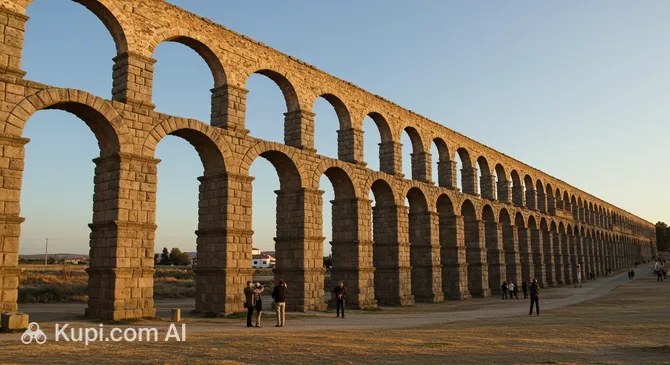
This grand structure in Spain is striking in its scale: the length of the preserved section reaches 830 meters, and the height in some places reaches 25 meters. A feature of the aqueduct's architecture is the alternation of light granite and red brick rows, creating a unique aesthetic appearance that has been preserved through the millennia.
Traveller photos:
Today, the "Aqueduct of Miracles" (which is how its name translates from Spanish) is a vital part of the city's archaeological ensemble. Visitors can see three tiers of elegant arches that once supported the water channel and appreciate the genius of the Roman builders who managed to create a structure capable of outlasting the fall of empires.