Support

Sun Gate

About

Imagine a monumental stone portal standing guard over ancient secrets at an altitude of 2,700 meters. The Sun Gate, or Inti Punku in the Quechua language, is an outstanding monument of Incan architecture located above the famous Machu Picchu complex in Peru. In the past, this site served as the main ceremonial entrance to the sacred city for those arriving along the imperial roads.
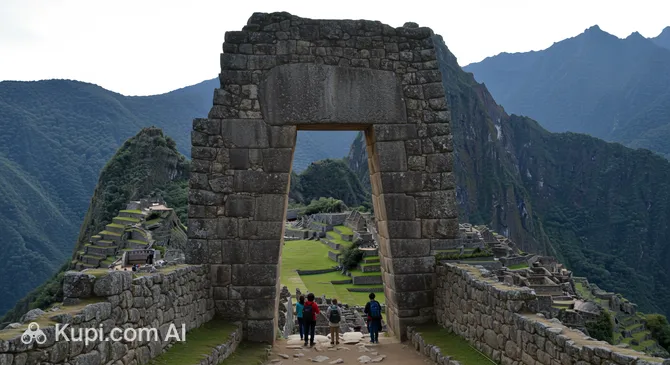
Sun Gate. Illustration.
Source: Kupi.com AI

Traveler photos:

The structure is a classic example of Incan craftsmanship: the rectangular portal is built from massive, meticulously polished stone blocks held together solely by their perfect fit, without a single drop of mortar. The Sun Gate not only performed a defensive function but was also a vital astronomical observatory, closely linked to sun-worship rituals.

The primary value of this site today is its breathtaking panoramic view. From here, a legendary overlook opens up to the terraces of the "city in the clouds" and the Urubamba River valley. It is here that tourists trekking the classic Inca Trail first see Machu Picchu in the rays of the rising sun, making a visit to the gate the crowning moment of any journey through the Andes.

Contacts

To clarify visiting details or organize excursions within the archaeological complex, you can use the contact information provided below. Please note that the site is managed by state cultural heritage protection agencies.

How to contactContact
AddressPeru, RFJ8+39F, Urubamba 08680, Peru
Phone+51 984 016 565

What to Do

The main reason to make the ascent to the Sun Gate is the opportunity to see Machu Picchu from a unique perspective. The hike along the trail is an adventure in itself: you will walk along preserved steps of the Inca Trail, admiring exotic orchids and observing vibrant Andean birds in their natural habitat.

At the top, tourists often engage in meditation near the ancient altar or simply enjoy the silence, which is felt much more intensely here than in the crowded city center. This is an ideal spot for panoramic photography, especially if you manage to catch the moment when the clouds slowly dissipate over the citadel ruins. In June, during the winter solstice, you can witness a unique astronomical phenomenon—the direct passage of the solar disk through the gate's frame.

For a deeper immersion into the context, it is recommended to visit the site with a guide who can point out the subtleties of the stones' orientation relative to the stars. Don't forget to bring water, comfortable shoes, and sunscreen, as solar activity is very high at this altitude. After resting at the gate, many travelers combine this route with a visit to the Inca Bridge or other remote sections of the park.

Getting There

The path to this attraction begins directly from the main archaeological zone. The Sun Gate is accessible on foot: the Inti Punku (Sun Gate Trail) starts at the complex's guarded gates and follows the original Inca Trail. The route is approximately 2 km long with an elevation gain of 350 meters, which typically takes between 45 and 90 minutes depending on your physical fitness.

To reach the citadel itself, you must first take a train from Cusco or Ollantaytambo to the Aguas Calientes station. From there, buses regularly run to the entrance of Machu Picchu, completing the winding ascent in about 30 minutes. An alternative option is a hike up from Aguas Calientes, which takes about 1.5–2 hours.

Since the number of tickets is limited, it is recommended to book your train and bus travel in advance. Remember that the trail can be slippery after rain, so it is important to wear sturdy footwear and follow the marked signs. To enter the trail to the Sun Gate, you will need a valid ticket for the archaeological park.

Nearest city: Machu Picchu

History & Facts

The majestic Sun Gate was built in the 15th century during the height of the Inca Empire's power. It is believed that construction was ordered by the Emperor Pachacuti, who transformed this region into his sacred residence. Inti Punku served as the main checkpoint on the famous Qhapaq Ñan road network, which stretched over 40,000 kilometers and connected all corners of the great empire.

The architectural design of the gate is a triumph of ancient astronomy. The structure is oriented so that during the winter solstice (June 21), the rays of the rising sun pass exactly through the center of the portal. For the Incas, this event held sacred meaning, symbolizing the "tying" of the sun and the beginning of a new agricultural cycle. Solemn ceremonies and ritual sacrifices in honor of the sun deity were held here.

The fate of this site was closely tied to the citadel itself: by the 1530s, the Incas had abandoned these lands, and the Sun Gate became hidden in the dense tropical forests. Thanks to its location, it went unnoticed by the Spanish conquistadors and remained in its original state until 1911, when it was rediscovered by explorer Hiram Bingham. Since 1983, this unique monument has been included in the UNESCO World Heritage list as a key element of the cultural landscape of Peru.

Time Needed

You should set aside 2 to 4 hours for a full visit to this location. This time includes a leisurely climb up the trail from the main city, exploring the architectural details of the gate itself, and resting at the top. If you plan to watch the sunrise here, keep in mind that you need to start the route as early as possible.

About an hour can be spent contemplating the panorama and taking photographs, as the view of the ancient city from this point is considered one of the best. If you are traveling with a professional guide, the story of the history and astronomical significance of the site will add about another 30–40 minutes to your visit.

Working Hours

Access to the location is limited by the general operating hours of the archaeological park. The Sun Gate is open to visitors daily, including holidays:

  • Monday — Sunday: 06:00 – 17:00

Please note that the last entry into the park territory is allowed one hour before closing, and by 17:00 all tourists must leave the monument area. It is recommended to begin the ascent to the gate no later than 15:00 to ensure you return to the main part of the city before dark.

6:00 – 17:00

Nearby

Visiting the nearby attractions will allow you to dive deeper into the atmosphere of the ancient civilization and see engineering masterpieces hidden in the mountains. Many of these sites are within walking distance of the main complex.

NameDistance
Machu Picchu Butterfly House0.9 km
Manuel Chávez Ballón Site Museum1.2 km
Machu Picchu1.4 km
Chullos Restaurant & Craft Beer1.8 km
Chef House Restaurant1.8 km
Ollantay Café2 km
Manco Cápac Square2 km

Reached the end of the page?

That means the route is fully explored