Support

Sinseondae, Dobongsan

About

Sinseondae is one of the most majestic granite peaks of Mount Dobongsan, located in the northern part of Seoul. As part of the famous Bukhansan National Park, this summit is considered one of the most beautiful and impressive in the capital of South Korea. The Seoninbong peak, also known as Sinseondae or the "Peak of the Immortals," is immensely popular among hiking enthusiasts due to its steep slopes and breathtaking panoramic views.
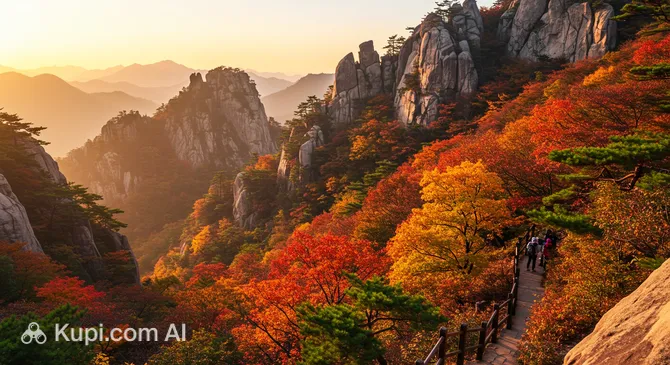
Sinseondae, Dobongsan. Illustration.
Source: Kupi.com AI

Traveler photos:

The mountain is known as the city's northern guardian, offering travelers a unique combination of rugged granite cliffs, crystal-clear streams, and lush vegetation. A special charm is added by the picturesque valleys, such as Munsa-dong, where an atmosphere of tranquility and pristine beauty reigns among the rocks and trees. The local peaks reach heights of up to 552 meters, making the ascent both exciting and accessible for prepared tourists.

Beyond its natural wealth, Sinseondae holds deep cultural significance: about 60 Buddhist temples are hidden within the mountain valleys, harmoniously integrated into the alpine landscape. With a rating of 4.6 and thousands of positive reviews, this place attracts those seeking inspiration in the contrast between a modern metropolis and the eternal power of mountain ranges.

Contacts

When planning an ascent of Sinseondae or a walk along the slopes of Mount Dobongsan in Seoul, we recommend checking the latest information on trail conditions and weather in advance. Although it is a natural site, park management may introduce temporary restrictions to ensure visitor safety depending on the season or meteorological conditions.

To contact the national park administration or obtain up-to-date data, you can use official South Korean tourism portals or call the information center. Current contact details and links to resources to help plan your visit are provided below.

How to contactContact
AddressSouth Korea, 서울특별시 도봉구 도봉제1동

What to Do

The main activity at Sinseondae remains hiking. Climbing Mount Dobongsan offers routes of varying difficulty leading to the peaks of Seoninbong and Sapaesan. During the ascent, spectacular views of Seoul and neighboring ridges will unfold before you, which are especially impressive on clear days. For those seeking thrills, there are several steep sections along the trails that require a bit of skill.

If you prefer a more leisurely pace, it is worth spending time in the Munsa-dong valley. This is a wonderful place for nature contemplation, small picnics by the stream, and watching the forest colors change from season to season. In spring, the mountain slopes are covered in delicate blossoms, while in autumn, they transform into a literal ocean of blazing foliage, making hikes during this time of year particularly aesthetic.

Don't miss the opportunity to visit the ancient temples tucked away in the folds of the mountain terrain. These shrines add cultural depth to your walk and allow for a peaceful rest accompanied by the sounds of forest birds. For photography enthusiasts, Sinseondae offers an almost endless number of striking angles: from rugged granite rocks to panoramic views where the modern architecture of South Korea meets the wild wilderness.

Getting There

The easiest way to reach the foot of Mount Dobongsan and the Sinseondae peak from central Seoul is by public transport. The most popular and fastest method is to use the subway. You need lines 1 or 7, traveling to Dobongsan Station. From Exit 1, the main entrance to the national park is just a 10-minute walk, following the signs past numerous hiking gear shops.

City buses also run to this area, with stops located near the entrance to the Munsa-dong valley. For those who prefer comfort, taxis are always available; however, it is worth noting that traffic jams are possible on the approaches to the park on weekends and holidays, and parking spaces for private vehicles are very limited. Public transport remains the most reliable option, helping you avoid parking difficulties.

Nearest city: Seoul

History & Facts

Mount Dobongsan, of which the Sinseondae peak is a part, has played an important role in the cultural and spiritual life of Seoul for centuries. As far back as the Joseon Dynasty, these areas were favored by scholars and thinkers: the Munsa-dong valley was a recognized center for intellectual gatherings, where philosophical discussions were held and literary works were created amidst pristine nature.

The religious heritage of this area is impressive—about 60 Buddhist temples are concentrated in its valleys. For centuries, these shrines have served as places of pilgrimage and seclusion, reflecting the deep traditions of South Korea. The granite peaks, such as Seoninbong, have long been considered the northern guardian of the capital, inspiring generations of artists and poets with their majestic and unwavering appearance.

Today, the Sinseondae area is part of the Bukhansan National Park and is under strict protection. Its status as a protected zone allows for the preservation of its unique ecosystem and historical landscape, giving modern travelers a rare opportunity to see the same monumental scenery that Korean masters admired hundreds of years ago.

Time Needed

Climbing Sinseondae is a full-scale adventure, for which it is generally recommended to set aside 4 to 6 hours. This is usually enough time to comfortably hike to the Dobongsan summit and back, including stops for rest in picturesque spots and visiting Buddhist temples along the way.

For experienced hikers or those who choose more challenging and longer routes, the walk can take up to 8 hours. The duration of your visit largely depends on your physical fitness, weather conditions, and how much time you wish to spend at the summit, taking in the panoramas of Seoul and taking photographs.

Working Hours

Access to the Dobongsan National Park territory, where the Sinseondae peak is located, is regulated by a seasonal schedule. From March to October, the park is typically open to visitors from 07:30 to 18:00. During the winter period (November to February), working hours are slightly reduced: entry is permitted from 08:00 to 17:00 daily.

Since Sinseondae is an open natural area in Seoul, visits are heavily dependent on weather conditions. In the event of heavy rain, snowfall, or fog, trails may be temporarily closed for visitor safety. Before heading to the summit, it is recommended to check the current status of the routes on the official national park website or through South Korea information centers.

Nearby

Exploring the surroundings of Sinseondae will allow you to dive even deeper into the atmosphere of Korean culture and nature. Very close by is the ancient Buddhist temple Hoeryongsa, whose silence and architectural elegance provide the perfect contrast after an active climb. For those who want to continue their walk at a more relaxed pace, Jikdong Park, located nearby, is an excellent choice.

If you work up an appetite after hiking the mountain trails, you can stop by the Gyeongwon Sikdang restaurant, famous for its traditional dishes. The proximity of these interesting sites to Mount Dobongsan makes the area a great choice for a fulfilling day trip that combines active recreation, historical discoveries, and a taste of local cuisine.

NameDistance
Bukhansan Cheonyeonok Water Park5.5 km
Bamgol Park5.5 km
Changdeokgung Secret Garden13.1 km
Changgyeonggung Palace13.4 km
Bar Cham13.8 km
Gwanghwamun Gate14 km
National Palace Museum of Korea14 km

Reached the end of the page?

That means the route is fully explored