Support

Myrina

About

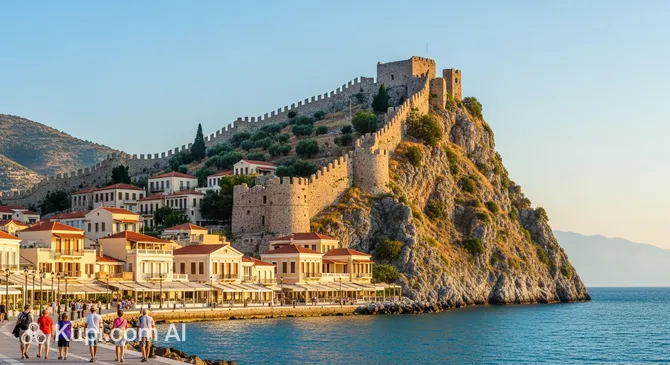
Welcome to Myrina, the captivating capital and main port of the island of Lemnos. Nestled on the western coast, this scenic town offers a perfect blend of traditional island life and elegant architecture. As you wander through its paved alleys, you will discover a destination that embodies the authentic spirit of Greece, characterized by its relaxed atmosphere and warm hospitality.

Myrina. Illustration.
Source: Kupi.com AI

The town is geographically unique, stretching across two distinct waterfronts separated by a steep, rocky promontory. One side features the traditional fishing harbor, while the other, known as Romeikos Gialos, is lined with impressive neoclassical mansions that testify to the island's prosperous past. Visitors interested in the history of Myrina will find the town fascinating, as it has been inhabited since ancient times and is steeped in mythology and legend.

Dominating the skyline is the imposing Castle of Myrina, a Byzantine fortress later fortified by the Venetians. It is one of the largest castles in the Aegean and offers breathtaking views of the sea and the distant Mount Athos. A walk up to the fortress is a highlight for many tourists, not only for the panorama but also for the chance to spot the wild deer that freely roam the grounds. Back in the town center, the Archaeological Museum houses exquisite artifacts that further showcase the island's rich heritage.

Whether you are enjoying fresh seafood at a seaside taverna or watching the sunset from the castle walls, Myrina promises an unforgettable experience. It is an ideal base for exploring Lemnos and invites travelers to unwind in its serene and picturesque setting.

Weather Overview

Myrina typically enjoys a Mediterranean climate, making it an inviting destination throughout most of the year. The town is known for its distinct seasons, offering long, sunshine-filled days during the peak travel months and a quieter atmosphere during the cooler periods.

To help plan your daily activities and packing list, you can check the detailed weather in Myrina before your trip. Generally, visitors can expect warm to hot summers that are often cooled by seasonal breezes, while winters tend to be mild with occasional rainfall.

Average monthly temperature

Average monthly precipitation

Interesting Facts

Beyond the main attractions, Myrina holds many fascinating secrets that reveal the unique heritage of this Aegean port. Here are some intriguing facts that make the capital of Lemnos truly special:

  • The Castle's Wild Residents: The majestic Castle of Myrina is not just an archaeological site; it is the home of a free-roaming population of fallow deer (Dama dama). These gentle creatures, originally introduced in the 1970s, live within the fortress walls and are frequently seen by visitors enjoying the panoramic views, making the ascent even more memorable.

  • A Tale of Two Shores: The town is geographically and architecturally divided into two distinct waterfronts by the castle promontory. Tourkikos Gialos serves as the traditional fishing harbor with simple dwellings, while Romeikos Gialos (the Greek Shore) is lined with grand neoclassical mansions built by wealthy Lemnians returning from Egypt in the 19th century, showcasing a stark contrast in style and history.

  • The Shadow of Athos: Although Mount Athos is located roughly 70 kilometers away across the sea, its presence is strongly felt in Myrina. An ancient saying claimed that "Athos casts its shadow on the back of the Lemnian cow," referring to a bronze statue that once stood in the city's agora, highlighting the impressive visibility of the Holy Mountain's peak from the island.

How to Get There

Reaching this charming capital is relatively straightforward, with options to suit different travel styles and schedules. Whether you prefer a quick flight or a scenic ferry ride across the Aegean, you can easily plan your trip. For a complete breakdown of routes and schedules, you can read more about how to get to Myrina on our dedicated page.

The fastest way to arrive is by plane. The island is served by Lemnos International Airport "Hephaestus" (LXS), which is located approximately 18 kilometers east of Myrina. The airport handles daily domestic flights from Athens and Thessaloniki, along with seasonal charter flights from various European countries. Once you land, a taxi or rental car can take you to the heart of Myrina in about 20 minutes.

For those who enjoy sea travel, Myrina is the main port of Lemnos and is well-connected to the mainland. Ferries frequently depart from the port of Kavala in northern Greece, offering the shortest sea route. There are also regular connections from the ports of Lavrio and Piraeus near Athens, as well as from other North Aegean islands. Arriving by ferry is particularly magical, as it offers a stunning view of the Venetian castle standing guard over the town.

Main Attractions

Myrina is a town that invites exploration, offering a delightful mix of ancient history, architectural beauty, and seaside charm. Visitors will find that the main sights are conveniently located within walking distance of each other, making it easy to soak up the local culture and atmosphere. Here are some of the top attractions to discover during your stay.

The Castle of Myrina is undoubtedly the most prominent landmark, standing guard over the town from a steep, rocky peninsula. Originally built by the Byzantine emperor Andronikos I Komnenos and later fortified by the Venetians and Ottomans, it is one of the largest fortresses in the Aegean. A climb to the top rewards travelers with stunning panoramic views of the red-tiled roofs below and the vast blue sea, with Mount Athos visible on the horizon on clear days. Inside the walls, you can explore the ruins of old fortifications, a mosque, and cisterns.

For history enthusiasts, the Archaeological Museum of Lemnos is a treasure trove located on the Romeikos Gialos waterfront. Housed in a beautiful neoclassical building, the museum displays fascinating artifacts unearthed from the island's major archaeological sites, including Poliochni, Hephaestia, and the Sanctuary of the Kaveirio. The collection features ancient pottery, statues, and jewelry that tell the story of the island's significance in antiquity, providing deep insight into the rich heritage of the North Aegean.

Romeikos Gialos is the most picturesque part of the town and a favorite spot for both locals and tourists. This historic waterfront is lined with grand neoclassical mansions, known as "Archontika," which date back to the 19th century and were built by wealthy Lemnians returning from Egypt. It is the perfect place for a leisurely evening stroll, offering a sophisticated atmosphere with numerous cafes and tavernas where you can enjoy a drink while watching the sunset colors reflect off the sea and the castle walls.

Just a short walk from the center lies Riha Nera Beach, one of the most popular swimming spots in Myrina. Translating to "Shallow Waters," this sandy beach is ideal for families and those looking to relax without leaving the city. It is well-organized with beach bars and water sports facilities, making it a lively hub during the summer months. The beach offers a great combination of crystal-clear waters and vibrant social life, right at the edge of the town.

Finally, do not miss the charming Chapel of Agios Nikolaos, perched on a small rocky outcrop at the entrance of the main harbor. This whitewashed church with its blue dome is a classic symbol of Greek island architecture and offers a serene vantage point for watching fishing boats and ferries come and go. It is particularly beautiful at night when it is illuminated, casting a gentle glow over the port.

Local Cuisine

The culinary scene in Myrina is a delightful reflection of Lemnos’s status as one of the most productive islands in the Aegean. Unlike many tourist destinations that rely on imports, the local cuisine here is defined by a "farm-to-table" philosophy that has existed for centuries. The island’s fertile volcanic soil produces exceptional wheat, pulses, and grapes, while its pastures support the production of unique dairy products that you will find on almost every menu in the city.

When it comes to main dishes, you simply must try flomaria, a traditional local pasta made from eggs and sheep's milk. It is most famously served as a side to braised rooster in a rich tomato sauce, a classic combination known as kokoras me flomaria. For cheese lovers, Myrina offers the celebrated Kalathaki Limnou, a PDO white cheese fermented in small woven baskets that give it a distinct texture, as well as Melichloro, a hard cheese made from sheep's and goat's milk that is perfect for grating over pasta or enjoying with wine.

Seafood is, naturally, a highlight of dining in this port city. The tavernas lining the harbor serve the catch of the day, ranging from grilled octopus to lobster pasta. For a unique vegetarian option, look for pseftopetinos (literally "fake rooster"), a delicious dish made with eggplants and local pasta that mimics the savory richness of the meat version.

No meal in Myrina is complete without a glass of the island's famous wine. Lemnos is home to Limnio, often cited as one of the oldest wine varieties in the world, mentioned by Aristotle himself. This ancient red offers a taste of history, while the aromatic Muscat of Alexandria produces exceptional white wines and dessert wines that flourish in the island's volcanic terroir.

For dessert, the city has a sweet treat with a fascinating history: Venizelika. These chocolate and almond bites coated in vanilla fondant were named after the Greek Prime Minister Eleftherios Venizelos, who was reportedly fond of them during his visit in 1912. You can find them in traditional pastry shops throughout the town, along with samsades, a rolled pastry filled with sesame and nuts.

Dining in Myrina offers two distinct atmospheres based on which waterfront you choose. The Romeikos Gialos side is lined with grand neoclassical mansions and offers a romantic setting perfect for sunset dinners by the sea. In contrast, the traditional fishing harbor (Tourkikos Gialos) provides a more rustic and laid-back vibe, where you can enjoy simple, authentic meze dishes right next to the fishing boats.

Travel Tips

To ensure your visit to Myrina is as relaxing and enjoyable as the town's laid-back atmosphere, we have compiled a list of essential practical advice. These tips will help you navigate the local customs, manage your logistics, and make the most of your time in the capital of Lemnos.

  1. Clothing and Gear: Since you will likely be doing a fair amount of walking, especially if you plan to hike up to the fortress, bring sturdy, comfortable shoes; high heels are not practical on the cobblestone streets. In summer, light and breathable fabrics are essential, but pack a light jacket for the evenings, as the Meltemi winds can make it breezy. If you intend to visit the Chapel of Agios Nikolaos or other religious sites, remember to dress modestly, covering your shoulders and knees.
  2. Transportation: Myrina itself is very compact and best explored on foot, as most attractions, shops, and restaurants are within walking distance. There is no metro or tram system. To explore the wider island of Lemnos, renting a car or scooter is highly recommended, as public buses can be infrequent. Taxis are available at the port and the central square, but booking in advance is wise during the peak summer season.
  3. Finances: The official currency is the Euro (€). While credit and debit cards are widely accepted in hotels and larger restaurants, it is advisable to carry some cash for small purchases at kiosks, local bakeries, or traditional coffee shops. ATMs are readily available throughout the town center. Tipping is not mandatory but is customary and appreciated; leaving a small amount (around 10%) for good service is standard practice.
  4. Health and Safety: Myrina is a very safe destination for tourists, with low crime rates. For medical issues, the General Hospital of Lemnos is located within the town, providing peace of mind for travelers. Pharmacies, marked with a green cross, are easy to find in the center; they typically operate during shop hours, with a rotating schedule for nights and weekends.
  5. Communication: The official language is Greek, but English is widely spoken, especially in the hospitality sector. Learning a few basic Greek phrases like "Kalimera" (Good morning) and "Efharisto" (Thank you) will go a long way in connecting with the friendly locals. Free Wi-Fi is standard in most cafes and hotels, and you can easily purchase a local SIM card at mobile phone stores in the town center for data access.
  6. Local Etiquette: Greeks are known for their warm hospitality (philoxenia). Greetings are important; a friendly nod or "Yassas" is common when entering a shop. Dining is a social affair often lasting hours, so do not feel rushed to leave your table at a taverna. It is polite to wait to be seated, although in casual settings, you might be invited to choose your own table.
  7. What to Avoid: Avoid visiting the Castle of Myrina during the hottest part of the day (usually 12:00 PM to 4:00 PM) in summer, as there is little shade and the climb can be strenuous under the midday sun. Also, while the deer in the castle area are accustomed to humans, do not attempt to feed them inappropriate food or startle them, as they are still wild animals.
  8. Shop Hours: Keep in mind the concept of the afternoon siesta. Many smaller shops and businesses in Myrina close in the afternoon (typically from 2:00 PM to 5:30 PM) and reopen in the evening on Tuesdays, Thursdays, and Fridays. Plan your shopping or banking for the morning hours to avoid disappointment.

By keeping these practical points in mind, you will be well-prepared to embrace the authentic rhythm of life in Myrina. We hope these tips help you have a smooth and memorable journey in this enchanting corner of the North Aegean.

Entertainment & Nightlife

Nightlife in Myrina is vibrant yet sophisticated, distinguishing itself from the intense party scenes of other Greek islands with a more relaxed and atmospheric approach. The evenings here typically begin late, starting with a leisurely dinner at a seaside taverna and transitioning into drinks at waterfront bars that stay open well into the early morning hours. The vibe is centered around socializing, enjoying distinct cocktails, and soaking in the romantic views of the illuminated castle.

The heartbeat of the city's entertainment is undoubtedly Romeikos Gialos. This historic waterfront, lined with grand neoclassical mansions, transforms after dark into a bustling promenade. Many of these "Archontika" have been converted into stylish bars and cafes that offer stunning views of the sea and the fortress. For a slightly more traditional start to the night, the area around the old port (Tourkikos Gialos) is perfect for enjoying ouzo and meze before moving to the music venues.

Among the most popular spots is Karagiozis Bar, a legendary establishment perched on a balcony overlooking the shore. It is famous for its classic rock and jazz tunes and offers a prime vantage point for admiring the castle lights. Another favorite is Isalos, located near the port, which serves as a lively meeting point throughout the day and turns into a buzzing bar at night with upbeat music. For those exploring the inner alleys, Sokaki is a cozy cocktail bar known for its friendly atmosphere and creative drinks.

The crowd in Myrina is a mix of locals, Greek tourists, and international visitors, creating a welcoming environment. The dress code is generally "island chic"—relaxed but neat; you will feel comfortable in smart-casual summer attire. Bars usually start to get busy after 11:00 PM. Prices are reasonable compared to the more famous Cycladic islands, with cocktails typically costing between 8 to 12 euros.

Myrina is incredibly safe for night walks, even in the late hours. The town center is compact, so you can easily walk between dinner spots and bars without needing transportation. If you need to travel further or return to accommodation outside the town, the main taxi rank is located in the central square near the port. It is advisable to save a local taxi number on your phone, as hailing one on the street can be difficult late at night.

During the day, entertainment in Myrina takes a more cultural and relaxed turn. While you will not find large amusement parks, the town offers charming experiences like the Maroula Open Air Cinema, where you can watch movies under the stars in a fragrant garden setting. Visitors can also revisit the museums for a deeper dive into history or browse the boutique shops in the "Agora" (market street) for local products and souvenirs.

Parks & Museums

While Myrina is not defined by vast urban parks in the traditional sense, the city is seamlessly integrated with its natural surroundings, offering green escapes and cultural treasures at every turn. The capital's unique geography, dominated by a massive volcanic rock and flanked by the sea, creates open-air spaces that function as natural recreational areas, while its museums safeguard the deep historical roots of Lemnos.

The Castle Hill Nature Area is the city's most significant green space, serving as much more than just a historical fortification. The steep slopes of the peninsula are covered in Mediterranean scrub and wildflowers, providing a habitat for the island's famous Dama dama (fallow deer). Tourists often treat a hike up the hill as a nature walk, where the chance to encounter these gentle, free-roaming animals amidst the ruins offers a unique wildlife experience right in the center of town. The area also provides the best vantage point for observing the island's rugged coastline and the Aegean Sea.

For a relaxing stroll by the water, the Romeikos Gialos Waterfront acts as the city's promenade and open-air lounge. Lined with tamarisk trees and grand mansions, this pedestrian-friendly zone offers a refreshing sea breeze and shaded spots perfect for escaping the summer heat. It connects the urban center with the sandy stretch of Riha Nera, a natural beach area within the city limits where visitors can enjoy the shallow, crystal-clear waters and the shade of lush vegetation that borders the coastline.

Culturally, the Archaeological Museum of Lemnos is the premier institution for understanding the island's pivotal role in the ancient world. Located in a stunning neoclassical mansion on Romeikos Gialos, the museum presents finds from the prehistoric settlement of Poliochni—often cited as the oldest city in Europe—as well as the ancient cities of Hephaestia and Kaveirio. Visitors are particularly drawn to the collection of pottery, gold jewelry, and the marble sphinx, which collectively narrate the island's history from the Bronze Age to the Byzantine period.

Another cultural gem is the Ecclesiastical Museum of Lemnos, situated near the majestic Metropolitan Church of the Holy Trinity. This museum offers a quiet and reverent look into the island's Byzantine and post-Byzantine heritage. The collection includes rare icons, sacred vessels, gold-embroidered vestments, and religious books that date back centuries. It provides a fascinating insight into the spiritual life of the locals and the artistic traditions of the Orthodox church in the North Aegean.

For a truly authentic experience, look for the small Maroula Garden. While often known for hosting the open-air cinema in the evenings, this charming, enclosed garden is a fragrant oasis filled with jasmine and night-blooming flowers. It is a favorite local spot that captures the nostalgic essence of Greek summer nights.

Getting Around

Navigating Myrina is a straightforward and relaxed experience, largely because the town is compact and pedestrian-friendly. There is no complex urban public transport system such as a metro, tram, or municipal city bus network operating within the town limits. Instead, Myrina serves as the central hub for the island's regional bus service (KTEL), which connects the capital to the airport, the port, and various villages across the island. For moving strictly within the city center, walking is the most efficient and enjoyable method.

The payment system for the regional buses is traditional and cash-based. There are no electronic travel cards, passes, or mobile apps available for transit here. Passengers simply purchase their tickets directly from the conductor or driver upon boarding the bus. Ticket prices are very affordable, typically costing a few euros depending on the distance of the journey. It is highly recommended to carry cash, specifically coins and small notes, as credit card payments are generally not accepted on board.

For tourists relying on the bus service to explore beyond the town, checking the schedule in advance is crucial. The frequency of routes varies significantly by season, with regular connections during the summer peak and a much sparser timetable in the winter. The central bus station is located near the heart of the town, and timetables are usually posted there. Since buses may stop running in the late afternoon or early evening, always verify the time of the last return bus to ensure you can get back to Myrina.

Given the limited frequency of public buses, alternatives like taxis and rentals are widely used. Taxis are readily available and can be found at the designated rank in the central square or at the port when ferries arrive. They operate on a meter, though fixed fares may apply for standard routes like the airport transfer. For those seeking total freedom to explore the surrounding areas, renting a car, scooter, or ATV is the most popular choice, with numerous rental agencies located throughout the town offering daily rates.

While there are no cable cars or historic trains, the town's layout itself is a unique feature that dictates transport. The historic center, with its narrow, paved alleys and the steep path leading up to the castle, is designed for foot traffic. Walking not only allows you to navigate the dual waterfronts of the city easily but also provides the opportunity to enjoy the neoclassical architecture and sea views that would be missed from a vehicle.

Accommodation

Accommodation in Myrina reflects the island's authentic and laid-back character, steering clear of massive, impersonal resort complexes. Instead, the town offers a welcoming variety of stays, ranging from charming family-run hotels and boutique guesthouses to convenient self-catering apartments and studios. Much of the accommodation is housed in renovated traditional buildings, allowing visitors to experience the local architecture and warm hospitality firsthand.

When choosing where to stay, the location can significantly shape your experience. Romeikos Gialos is the most picturesque and atmospheric choice, where many 19th-century neoclassical mansions have been converted into elegant boutique hotels. Staying here offers romantic views of the sea and the castle, along with a quiet, sophisticated vibe. For travelers who prioritize convenience, the area around the main port (Tourkikos Gialos) puts you right in the center of the action, close to the ferry terminal, the central market, and numerous tavernas. Alternatively, if you prefer a beach-focused holiday, look for options near Riha Nera, where you can find hotels and rooms just steps away from the sand and the shallow swimming waters.

While the town does not feature large international hotel chains, it boasts several well-regarded local establishments that provide excellent comfort and service. The most sought-after properties are often those located along the waterfronts, offering balconies with stunning views of the fortress, especially beautiful when illuminated at night. These smaller hotels often provide a more personalized touch, with owners who are happy to share local tips and advice.

Booking Tip: Myrina is a favorite summer destination for both Greeks and international travelers. During the peak season, particularly in July and August, the best rooms—especially those in the historic mansions—sell out quickly. It is highly advisable to book your accommodation several months in advance to secure your preferred location and style.

The price range in Myrina is generally reasonable and offers good value for money compared to the more heavily touristed Aegean islands. Visitors can expect a spectrum ranging from budget-friendly rooms to mid-range prices for standard hotels and slightly higher rates for boutique suites. While major online booking platforms are widely used, many smaller studios and family-owned apartments also welcome direct inquiries, which is a common practice on the island.

Nearby Cities

Myrina serves as an ideal base for exploring the diverse villages of Lemnos, each offering its own unique charm and history. Just a short distance from the capital, visitors can discover traditional settlements that showcase the island's authentic character and provide a delightful change of pace from the main port.

Platy is one of the closest and most popular destinations, located just 2 kilometers south of the capital. It is famous for its extensive sandy beach, which is a favorite among summer visitors for its clear waters and beach bars. The village itself is built amphitheatrically on a hill, featuring picturesque white-washed houses and a lively central square where you can enjoy local coffee and sweets.

A little further along the coast lies Thanos, a scenic village nestled within a striking volcanic landscape. It is renowned for its beautiful beach, often cited as one of the best on the island, surrounded by unique rock formations. The village preserves a traditional atmosphere with narrow streets and old stone houses, offering a peaceful retreat for those looking to relax near the sea.

To the north of Myrina, Kaspakas is a historic settlement perched on a mountain slope, originally built in a hidden location to protect it from pirate raids. It is known for its traditional architecture and cobblestone alleys. Just below the village lies the coastal area of Agios Ioannis, which is celebrated for its stunning sunsets and seaside tavernas serving fresh local cuisine.

For those willing to venture further, the historic town of Moudros is located on the eastern side of the island's vast natural bay, about 27 kilometers from Myrina. As the second-largest town on Lemnos, it holds significant historical importance, particularly for its role as a naval base during World War I. Visitors can explore the Allied War Cemetery and enjoy the tranquil waterfront, which offers a quieter alternative to the capital.

Another gem in the interior is Kontiass (or Kondias), often considered one of the most beautiful villages on Lemnos. It is distinguished by its elegant stone mansions, built by wealthy shipowners, and a row of restored traditional windmills that stand at the village entrance. The settlement is surrounded by pine trees and features the "Balkan Art Gallery," making it a cultural highlight for travelers.

Shopping & Souvenirs

Shopping in Myrina is a delightful experience that focuses on authenticity and local flavor rather than international chains or high-end luxury brands. The town's commercial life is intimately tied to the island's rich agricultural tradition, making it a paradise for food lovers and those seeking genuine Greek craftsmanship. As you stroll through the center, you will find a relaxed atmosphere where shop owners are friendly and eager to share the stories behind their products.

The heart of the city's retail scene is Kyda Street, often simply referred to by locals as the "Agora" or Market Street. This charming, paved pedestrian thoroughfare connects the two waterfronts, Romeikos Gialos and Tourkikos Gialos. It is lined with a variety of small boutiques, souvenir shops, bookstores, and grocery stores. Walking down this street, especially in the evening when the lanterns are lit and the wisteria vines overhead are in bloom, is a highlight of any visit.

Travelers accustomed to large commercial centers should note that there are no shopping malls in Myrina. The retail landscape is defined exclusively by independent, family-run businesses. This absence of large complexes preserves the traditional island character of the town, ensuring that your shopping experience feels personal and unique to Lemnos.

While there is no massive central market hall, the Agora itself functions as an open-air market. Here, and in the surrounding alleys, you can find small greengrocers selling fresh, seasonal fruit and vegetables grown on the island's volcanic soil. In the mornings, the area near the old port often features fishermen selling their fresh catch directly from the boats or at small stalls, providing a glimpse into the daily life of the locals.

When it comes to souvenirs, the best treasures to bring back from Myrina are undoubtedly edible. The island is famous for its Lemnian wine (especially the ancient Limnio variety and aromatic Muscat), as well as its unique cheeses like Kalathaki Limnou and Melichloro. Other popular items include flomaria (traditional local pasta), thyme honey, and the delicious almond sweets known as Venizelika. Apart from food, you can find beautiful handmade ceramics, jewelry, and cotton textiles that reflect the island's artistic heritage.

Store opening hours in Myrina generally follow the traditional Greek island schedule. Shops typically open around 9:00 AM and stay open until 1:30 PM or 2:00 PM. They then close for the afternoon siesta and reopen in the evening, usually from 5:30 PM until 9:00 PM or later, especially during the summer season. Most shops are closed on Sundays, although some souvenir stores and mini-markets may remain open to serve tourists. Payment methods are modern, with credit and debit cards widely accepted, though carrying some cash is always useful for smaller purchases.

For visitors from outside the European Union, tax-free shopping (VAT refund) is available in Greece for purchases exceeding a certain amount in a single store. However, since Myrina is a small town with mostly small local businesses, not all shops may participate in the Global Blue or similar tax-refund schemes. It is best to look for the "Tax Free" signage in the window or ask the shopkeeper before making a significant purchase.
Reached the end of the page?

That means the route is fully explored