Support

Trafalgar Cemetery

About

Trafalgar Cemetery is a quiet and atmospheric historical memorial located in the southern part of Gibraltar. Founded at the end of the 18th century, it is a unique open-air monument where time seems to slow down. The cemetery is enclosed by the ancient city walls of Gibraltar, giving it a special sense of intimacy and seclusion.
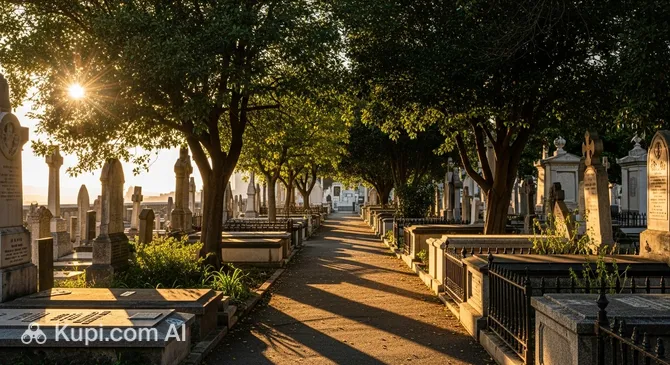
Trafalgar Cemetery. Illustration.
Source: Kupi.com AI

Traveler photos:

Despite its evocative name, the site is only indirectly linked to the legendary Battle of Trafalgar: only two participants of that battle are buried here. The majority of the graves belong to victims of the yellow fever epidemics that ravaged the region in the early 19th century. This makes the memorial an important testament not only to military feats but also to the everyday tragedies of garrison life at the time.

Today, the cemetery has been transformed into a picturesque garden-memorial where, amidst lush greenery and shaded paths, you can see ancient headstones adorned with Shakespearean verses and classical symbolism. Thanks to its historical significance and high rating among travelers, it is rightfully considered one of the city's most moving and educational attractions.

Contacts

For more information about visiting this historical memorial, travelers can contact the Gibraltar Heritage Trust, which is responsible for the site's preservation. As this is a public place of remembrance, there is no separate telephone number for the cemetery itself. Visitors are encouraged to check the official website for visiting rules before their arrival.

How to contactContact
Address4JMW+WW9, Гибралтар GX11 1AA, Гибралтар

What to Do

Visiting Trafalgar Cemetery is primarily an opportunity for a peaceful stroll away from the city noise. The main activity here is examining the ancient headstones, many of which are true works of art from the late 18th and early 19th centuries. Be sure to look at the epitaphs: some stones feature moving quotes from the works of William Shakespeare.

For photographers, this place is a real find: the combination of gray stone covered in emerald moss, bright southern greenery, and wrought-iron railings creates a unique atmosphere. Here, you can capture deep, melancholic shots that convey the spirit of Gibraltar's maritime history.

History buffs will be interested in finding the graves of Lieutenants Forster and Norman—the only participants of the Battle of Trafalgar laid to rest here. After visiting the memorial, it is convenient to continue your walk along Main Street, visiting nearby cathedrals or the Convent (the Governor’s Residence) to complete your picture of the territory's historical past.

Getting There

Finding Trafalgar Cemetery is quite simple, as it is located in the heart of the city, just south of the historical defensive walls. The walk from the main pedestrian area—Main Street—takes only a few minutes at a leisurely pace. If you are arriving from the Spanish border or the airport, the walk to the memorial is about 15–20 minutes through picturesque streets.

For those who prefer public transport, city buses No. 2 or No. 3 are ideal. They run regularly throughout the city and stop near Hargrave's Parade. After getting off at the stop, it is just a short walk of a few dozen meters to reach the cemetery entrance.

If you are short on time, you can use a local taxi, which will take you from anywhere in the city center in just a few minutes. Cruise passengers disembarking at the port also often choose to walk, enjoying the city views on the way to this quiet harbor of history.

Nearest city: Gibraltar

History & Facts

Founded in 1798 as Southport Ditch, this site was originally intended for the residents and garrison of the rapidly growing city. The cemetery received its current name only after 1805 in honor of the famous Battle of Trafalgar. Surprisingly, contrary to popular belief, most of the participants of that legendary battle were buried at sea; only two lieutenants rest in this cemetery—William Forster and Thomas Norman, who died from their wounds.

The majority of the headstones commemorate tragic pages in Gibraltar's history—three large-scale yellow fever epidemics that broke out in 1804, 1813, and 1814. These diseases claimed thousands of lives, and the cemetery became the final resting place for many civilian and military victims. Additionally, you can find the graves of soldiers who fell in the Battle of Algeciras in 1801 and during the sieges of Cádiz and Málaga.

The cemetery officially closed for new burials in 1814. About 68 identified graves have been preserved to this day, though the total number of people buried here is much higher. Each headstone is a unique monument to the Napoleonic Wars era, reflecting not only military history but also the personal tragedies of the people of that time.

Time Needed

A detailed visit to Trafalgar Cemetery usually takes between 30 and 60 minutes. The memorial grounds are quite compact, so this time is sufficient to leisurely walk all the paths, study the ancient epitaphs, and take atmospheric photos surrounded by ancient trees and moss.

If you are passionate about naval history or enjoy thoughtful reading of monument inscriptions, you might stay a bit longer. The cemetery is often visited as a short stop during a larger walking tour of the city, making it a convenient spot for rest and quiet reflection.

Working Hours

The historical Trafalgar Cemetery memorial is open to visitors daily. Standard opening hours are from 09:00 to 17:00, including weekends and public holidays. This schedule makes it easy to include a visit to this site in your morning or afternoon itinerary.

Entry to the grounds is free; however, it is recommended to check the official Gibraltar Heritage Trust website before your visit to ensure there are no temporary restrictions due to restoration or commemorative events.

09:00–17:00

Nearby

The memorial's central location allows tourists to easily combine their visit with other iconic sites. A stroll through the surrounding area will help you dive deeper into the atmosphere of this British territory and discover its natural and historical diversity.

Just a few hundred meters away, park zones and historical fortifications begin, leading toward the summit of the famous Rock. Below is a list of interesting sites located nearby.

NameDistance
The Convent, Governor's Residence0.3 km
Gibraltar Botanic Gardens0.3 km
Apes' Den0.4 km
Alameda Wildlife Park0.6 km
Gibraltar Cable Car Upper Station0.6 km
Windsor Suspension Bridge0.7 km
Tourist Information Centre0.7 km

Reached the end of the page?

That means the route is fully explored