Support

National Museum and the Château de Pau - Official

About

The National Museum and Château of Pau is a majestic historical fortress and cultural center located in the heart of the picturesque city of Pau. Towering on a hill above the Gave de Pau river, this architectural ensemble serves as the primary symbol of the region and one of the most significant landmarks France has to offer history enthusiasts.
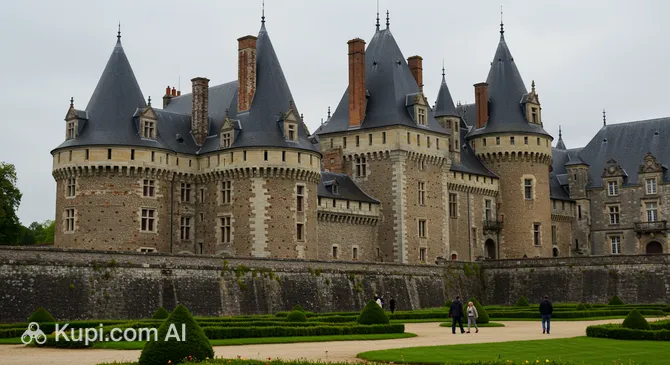
Château de Pau National Museum. Illustration.
Source: Kupi.com AI

Traveler photos:

Originally built as a strictly defensive structure, the castle evolved over time into a luxurious royal residence. Today, it houses a national museum with an exhibition inextricably linked to King Henry IV, who was born within these very walls in 1553. Visitors come here to touch the living chronicles of the French monarchy and see unique artifacts from that era.

The museum complex impresses with its harmonious blend of austere medieval architecture and refined Renaissance interiors. Surrounded by magnificent gardens and a well-kept park, the castle is an ideal place for a cultural getaway, where the richness of the museum collections is complemented by the natural beauty of the landscape.

Contacts

When planning your visit to the National Museum and Château of Pau, it's helpful to have current contact details. You can inquire about special events or book a group tour directly through the administration.

How to contactContact
AddressRue du Château, 64000 Pau, France
Phone+33 5 59 82 38 00
Websitewww.chateau-pau.fr

What to Do

A walk through the castle halls is a true journey back in time. Visitors can see the lavish royal apartments, decorated with rare tapestries, antique furniture, and everyday items from various eras. Of particular interest are the private chambers of Henry IV and a rich collection of paintings depicting life at the French court from the 16th to the 19th centuries.

Beyond exploring the interiors, it is definitely worth taking the time to stroll through the extensive castle park. Its terraces offer breathtaking panoramic views of the Gave river and the snow-capped peaks of the Pyrenees. The museum itself regularly hosts temporary art exhibitions and themed cultural events that complement the main collection.

For those traveling with family, the National Museum and Château of Pau offers interactive programs and educational quests. These allow children to learn about history in a playful way, making the visit an engaging adventure for visitors of all ages.

Getting There

The attraction is located at: Rue du Château, 64000 Pau, France. Since the castle is situated in the heart of the historic center, it is very easy to reach on foot from most city hotels and popular tourist districts.

For those using public transport, there are bus stops located within a few minutes' walk of the entrance. The city's railway station is also nearby, making the castle accessible for tourists arriving in Pau from other regions by train.

If you are traveling by car, there are parking areas provided near the museum complex. From Pau-Pyrénées Airport, the city center and the castle gates can be reached by taxi or public transport in approximately 20–30 minutes.

Nearest city: Pau

History & Facts

The history of the castle dates back to the 12th century, when a fortress was built on this site to guard a strategically important ford across the Gave river. The name "Pau" comes from a local word meaning "stake" or "palisade"—a symbolic enclosure that in those days represented loyalty and the inviolability of borders.

In the 14th century, the legendary Gaston III de Foix, known as Gaston Fébus, transformed the fortress into an impregnable castle, building a massive 33-meter-high brick keep (donjon). This tower still dominates the architectural ensemble today, serving as a reminder of the structure's military past and the ambitions of its owners.

The castle's golden age arrived in the 16th century when it became the primary residence of the Kings of Navarre and was rebuilt in an exquisite Renaissance style. It was here in 1553 that Henry of Navarre, the future King Henry IV of France, was born. In the 19th century, by order of Louis-Philippe and Napoleon III, the castle was restored, adding Romantic elements and finally transforming it into a museum of national importance.

Time Needed

To leisurely tour the museum's main halls and enjoy the views from the castle walls, most visitors require between 1.5 and 3 hours. If you plan to study the tapestry collection in detail or visit temporary exhibitions, it is better to allow more time in your schedule.

Don't forget to set aside about half an hour for a walk through the adjacent gardens. The atmosphere of the ancient park is perfect for a relaxing break, so a total stay at the castle complex can easily last half a day, especially in good weather when the views of the Pyrenees are at their most striking.

Working Hours

The National Museum and Château of Pau is open to visitors daily, though you should take the midday break into account. The current operating schedule is as follows:

From Monday to Sunday, the castle welcomes guests from 9:30 AM to 11:45 AM and from 2:00 PM to 5:00 PM. As opening hours may vary slightly depending on the season or public holidays, it is recommended to check the schedule on the museum's official website just before your visit.

9:30 – 11:45, 2:00 – 17:00

Nearby

The surroundings of the Château of Pau are filled with the charm of old France. Exploring the adjacent streets and squares will allow you to delve deeper into the city's atmosphere and see how its majestic historical heritage intertwines with modern regional life.

A stroll after visiting the museum can lead you to cozy squares or monuments dedicated to important events in the history of Béarn. Below is a list of interesting locations situated within walking or driving distance:

NameDistance
Omnivore0.2 km
Pau Centre Aparthotel0.5 km
Pau Funicular0.5 km
New Red Lion0.6 km
Place Clemenceau0.6 km
Pau Museum of Fine Arts1 km
Le Garage1.1 km

Reached the end of the page?

That means the route is fully explored