Support

Humera

About

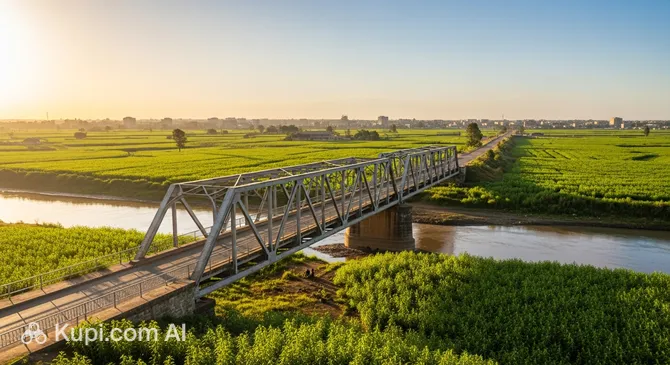
Humera is a significant town located in the northwestern corner of Ethiopia, situated in the Tigray Region. Positioned near the borders with Sudan and Eritrea, it serves as a key agricultural and commercial hub. The town is famous for its intensive farming, particularly as a leading producer of high-quality sesame and cotton, which drives the local economy and shapes the daily life of its residents.

Humera. Illustration.
Source: Kupi.com AI

The climate in Humera is characterized by its lowland heat, differing significantly from the cooler Ethiopian highlands. The town lies along the banks of the Tekeze River, which adds a scenic element to the landscape and is vital for the region's cultivation. Those interested in the history of Humera will find that its development has been largely defined by its strategic location for cross-border trade and its fertile soil, which has attracted people from various backgrounds over the decades.

Visitors to the area can observe the vast agricultural estates that dominate the scenery, earning the town the nickname "Sesame City." The local markets bustle with activity, offering a chance to experience the authentic local culture and distinct border town atmosphere. For travelers venturing off the beaten path in the northern territories, Humera provides a unique glimpse into the industrious spirit and agricultural heritage of the region.

Weather Overview

Humera experiences a consistently hot climate throughout the year, characterized by soaring temperatures and distinct dry and wet periods. Travelers planning a trip should be prepared for intense heat, particularly during the spring months. To better plan your activities around the conditions, checking the detailed weather in Humera is highly recommended.

The dry season dominates much of the year, spanning from October to May, during which rainfall is virtually non-existent. The hottest time of the year occurs between March and May, where average maximum temperatures frequently exceed 40°C, making early morning or late evening explorations preferable. Even in the relatively cooler months like December and January, daytime highs remain around 36°C, though nights can be pleasantly mild with minimums dipping to around 19°C.

From June to September, the region undergoes a shift with the arrival of the rainy season. August is typically the peak of this period, recording about 21 wet days, which brings a change to the arid landscape. While June remains very hot with highs reaching approximately 38°C, the temperatures gradually moderate as the rains intensify. The coolest daytime highs occur in August, dropping to around 31°C, which offers a relative respite from the extreme heat before temperatures begin to climb again in September.

Average monthly temperature

Average monthly precipitation

Interesting Facts

Beyond its reputation as a major agricultural hub, Humera possesses unique geographic and cultural characteristics that distinguish it from the rest of the region.
  • A Global Brand Name: The city gives its name to a specific, high-quality variety of sesame known internationally as the "Humera type." These seeds are prized worldwide for their uniform white color and sweet, nutty flavor, making them the industry standard for producing premium tahini and halva.

  • The River with Two Names: The massive river that sustains the town's agriculture is known as the Tekeze while it flows through Ethiopia, but it changes its identity to the Setit River immediately upon crossing the border into Sudan. It is one of the few rivers in the region that maintains a flow throughout the year, serving as a vital lifeline in this arid zone.

  • Distinct Ecological Zone: Unlike the famous historical towns of the Tigray Region that are perched in the cool, mountainous highlands, Humera is situated in the "Kolla" or lowland zone. This location creates an ecosystem and climate much closer to the Sudanese savanna than the Ethiopian plateau, resulting in unique flora and a distinct pace of life.

How to Get There

Reaching the westernmost tip of the Tigray Region requires a bit of planning, as Humera is situated quite far from the country's central transport hubs. Most visitors opt for a combination of domestic flights to nearby cities followed by an overland journey through the scenic lowlands. You can find more about how to get to Humera and the available transport options on our detailed page.

Travelers often access the city via several regional aviation hubs that serve as convenient gateways to this part of the country. The closest option is usually Indaselassie (also known as Shire Airport), located in the city of Shire, which is about 181 km from Humera. The drive from Shire typically takes around 4 hours and 50 minutes by taxi or bus. For those exploring the famous historic circuit of Ethiopia, Gondar Airport (GDQ) in Gonder is a major entry point. Situated approximately 215 km away, it receives a significant number of travelers, and the subsequent road trip to Humera takes roughly 5 hours and 40 minutes. Alternatively, you can fly into Axum Airport (AXU) in Aksum, which is about 234 km away, with a transfer time of approximately 6 hours.

For clarity, here is a summary of the main airports in the wider region:

AirportPassenger trafficDistance
Humera Airport58 km
Kassala Airport20 000125 km
Indaselassie60 000181 km
Gondar Airport300 000215 km
Axum Airport85 000234 km
Asmara International Airport150 000272 km

The city of Humera does not have a railway station, and train travel is not currently a viable option for reaching this remote part of Ethiopia. The national railway network does not extend to the northwestern border areas. Visitors primarily rely on the road network connecting to major regional cities like Gondar and Shire, utilizing buses or private vehicles for the final leg of the journey.

Main Attractions

While Humera is primarily known as a bustling commercial and agricultural center rather than a traditional holiday destination, it offers a few unique points of interest for the intrepid traveler. The town serves as a gateway to the unexplored western frontiers of the country, providing opportunities to witness authentic border life, vast agricultural landscapes, and significant natural features that define the region's geography.

One of the most prominent natural landmarks is the Tekeze River. Flowing right past the town, this massive river forms the natural border between Ethiopia and Eritrea in some sections and eventually flows into Sudan. For visitors, the riverbanks offer a scenic escape from the dusty town center. It is a spot where you can watch local fishermen at work and observe the lush vegetation that thrives along the water's edge, contrasting sharply with the surrounding arid lowlands. The river is also home to various bird species, making it a quiet spot for nature observation.

Just a short distance from the town lies the western sector of the Kafta Sheraro National Park. Although less famous than the southern parks, this conservation area is of immense ecological importance. It is one of the few places in the country where you can spot the African elephant in its natural habitat. The park is characterized by its dry woodland ecosystem and serves as a crucial corridor for wildlife migrating between Ethiopia and Eritrea. For wildlife enthusiasts willing to venture off the beaten track, organizing a trip here offers a chance to see elephants, roan antelopes, and the rare red-fronted gazelle.

For a cultural experience, the Humera Central Market is the beating heart of the town. Given the region's status as a major producer of sesame and cotton, the market is a hive of activity where traders from different backgrounds converge. It is the best place to witness the "Sesame City" in action, with sacks of "white gold" being traded and transported. Visitors can explore the stalls selling local spices, traditional fabrics, and crafts, gaining insight into the daily lives of the residents in this diverse border community.

Local Cuisine

The local cuisine in Humera offers a flavorful journey that combines traditional Tigrayan staples with the unique influences of its lowland location and proximity to the Sudanese border. As the "Sesame City," the region is renowned for its high-quality sesame oil, which is frequently used to prepare dishes, giving them a distinctively rich and nutty aroma that sets the food here apart from other parts of the country.

At the heart of every meal is Injera, the ubiquitous sour fermented flatbread that serves as both plate and utensil. In Humera, it is typically served with a variety of spicy stews known as wats. Due to the town's location on the banks of the Tekeze River, fresh fish, locally called Asa, is a standout delicacy. It is often served fried whole or cooked into a spicy stew (Asa Wat) and is a must-try for visitors looking for a break from the more common meat dishes found in the highlands.

Vegetarian options are also plentiful and delicious, largely due to the Ethiopian Orthodox tradition of fasting. Shiro, a smooth and spicy chickpea or broad bean stew, is a daily comfort food that is particularly flavorful here, often enriched with the local sesame oil. For breakfast, given the cross-border influence, you might find dishes similar to Ful (fava bean stew), served with bread and fresh chilies, providing a hearty start to the day for the town's industrious workforce.

When it comes to drinks, the traditional Coffee Ceremony remains an integral part of social life, even in the sweltering heat. Locals gather to roast fresh beans and sip strong, aromatic coffee (Bunna), often accompanied by popcorn or roasted grains. To cool down, you can try Tella, a traditional home-brewed beer made from teff or sorghum, which is refreshing and widely consumed. In the evenings, Tej, a potent honey wine, is a popular choice for those wishing to experience the local festive spirit.

The food culture in Humera is communal and unpretentious. Most dining takes place in small, family-run restaurants or open-air spots where meals are shared from a large central platter, reinforcing bonds of friendship and hospitality. While you won't find high-end dining establishments, the local markets and street-side eateries offer an authentic taste of the region, where the ingredients are fresh, and the spices are bold.

Travel Tips

Welcome to Humera, a vibrant border town where the pulse of trade meets the heat of the Ethiopian lowlands. To ensure your visit to the "Sesame City" is as smooth and enjoyable as possible, we have compiled a list of practical tips tailored to the unique environment and culture of this bustling agricultural hub.

  1. Clothing and Gear: Due to the intense lowland heat, prioritize lightweight, breathable fabrics like cotton or linen in light colors to reflect the sun. A wide-brimmed hat, high-quality sunglasses, and strong sunscreen are absolute essentials here. While shorts are acceptable for men in casual settings, it is respectful to wear long trousers and modest tops when visiting markets or religious sites. Comfortable, closed-toe shoes are recommended for walking on dusty streets.

  2. Transportation: The most convenient way to navigate Humera is by using a Bajaj (a three-wheeled auto-rickshaw). They are affordable, plentiful, and perfect for short trips across town. Taxis are less common for intra-city travel but can be arranged for longer distances. Public buses connect to other cities, but within Humera, the Bajaj rules the road. Walking is feasible but best avoided during the scorching midday hours.

  3. Finances: The local currency is the Ethiopian Birr (ETB). While credit cards are rarely accepted outside of major hotels or government offices, cash is king in local markets and restaurants. It is highly advisable to carry sufficient cash, as ATMs can sometimes be unreliable or out of service due to network issues. Small denominations are useful for paying Bajaj drivers and buying street food.

  4. Health and Safety: Unlike the Ethiopian highlands, Humera is located in a lowland zone where mosquitoes are more prevalent. Bring strong insect repellent and consider taking malaria prophylaxis after consulting your doctor. Drink only bottled or treated water to stay hydrated in the extreme temperatures. Pharmacies are available in the town center, but they may not be open 24/7, so bring a basic first-aid kit with you.

  5. Communication: The primary languages spoken are Tigrinya and Amharic. English is spoken by some business owners and younger people, but it is not as widely understood as in Addis Ababa. Learning a few basic phrases like Selam (Hello) or Yekanyeley (Thank you in Tigrinya) will go a long way. Purchasing a local SIM card from Ethio Telecom is recommended for data access, as Wi-Fi can be slow or intermittent.

  6. Local Etiquette: Greetings are taken seriously in Ethiopian culture; a handshake often accompanied by touching your right shoulder to the other person's is common among friends. When dining, always wash your hands before the meal and remember to eat with your right hand only, especially when sharing a communal platter of Injera. It is polite to accept an invitation to a coffee ceremony, as it is a sign of friendship and respect.

  7. What to Avoid: As Humera is a strategic border town near Sudan and Eritrea, strictly avoid taking photographs of government buildings, bridges, police stations, or military personnel. This can be viewed with suspicion and may lead to questioning by authorities. Always ask for permission before taking photos of local people.

  8. Beat the Heat: Adopt the local schedule to cope with the weather. The town comes alive in the early morning and late afternoon. Plan your outdoor activities before 11:00 AM and take a rest or enjoy a long lunch in the shade during the peak heat of the day (roughly 12:00 PM to 3:00 PM), just as the locals do.

By keeping these practical tips in mind, you will be well-prepared to navigate the dusty charm and warm hospitality of Humera. Embrace the slower pace of life required by the climate, and you are sure to have a memorable experience in this unique corner of Ethiopia.

Entertainment & Nightlife

Entertainment and nightlife in Humera reflect the town's character as a bustling agricultural hub rather than a polished tourist destination. You will not find neon-lit nightclubs or high-end cocktail lounges here. Instead, the evening scene is defined by a relaxed, communal atmosphere where locals gather to unwind after a long day of trade and farming. The nightlife primarily revolves around "Groceries"—small, informal establishments that serve beer and local spirits—and hotel bars where the vibe is friendly and the conversation flows freely.

The main activity shifts to the town center and the areas surrounding the principal hotels once the sun sets. Due to the lingering heat of the lowlands, much of the socializing happens outdoors or in open-air courtyards. The dress code is universally casual and practical; there is no need to dress up, as comfort is the priority in this climate. Visitors can expect to hear a mix of modern Ethiopian pop and traditional Tigrigna music playing from speakers, creating a lively backdrop for sipping a cold St. George or Dashen beer.

For those looking to experience the authentic local flavor, Bar Kisanet is a well-known spot in town. It offers a classic example of the local "grocery" style, where you can enjoy a drink accompanied by simple, fresh snacks like salads or tibs (grilled meat). Another popular venue for an evening meal that transitions into a relaxed night out is Tsega-Shuro Humera. As the name suggests, it is famous for its delicious Shiro, but it also serves as a gathering place where travelers can mingle with residents. For a lighter evening focused on conversation and caffeine, Aiga Cafe remains a staple, offering a welcoming environment to enjoy the region's famed coffee culture late into the day.

When venturing out at night, it is best to stick to the main illuminated streets and the vicinity of major hotels. While the town is generally welcoming, the streets can be poorly lit and dusty. The safest and most convenient way to get around after dark is by Bajaj (auto-rickshaw). They are inexpensive and readily available. Prices for food and drinks are very affordable compared to the capital, but remember to carry cash, as digital payments are rarely accepted in smaller venues.

Before the evening sets in, daytime entertainment in Humera is largely centered around nature and commerce. A visit to the banks of the Tekeze River offers a peaceful retreat where you can watch the water flow towards the Sudanese border. For a more energetic experience, the main market provides a fascinating look at the sesame and cotton trade that drives the local economy, though it is best visited in the cooler morning hours.

Parks & Museums

Humera’s approach to green spaces and cultural heritage is defined by its rugged, lowland geography and its identity as a working agricultural town. Rather than manicured botanical gardens or grand state museums, the city offers raw natural beauty and a "living culture" that permeates its streets and religious sites. Visitors here will find that the landscape itself serves as the primary park, and the daily traditions of the people replace the static exhibits of a gallery.

The most significant natural area accessible to visitors is the green belt along the Tekeze River. While not a formal park with benches and pathways, the riverbanks provide a lush, shaded contrast to the surrounding arid plains. Large fig trees and riverine vegetation create a natural canopy, making it a popular spot for locals to escape the midday heat. It serves as an informal recreational zone where you can observe aquatic birds and enjoy the cooling breeze coming off the water, offering a serene environment for nature lovers.

Nearby, the Kafta Sheraro National Park stands as the region's premier protected area. Though it extends far beyond the town limits, its western sector is an integral part of Humera’s natural heritage. This vast expanse of dry woodland and savanna is crucial for conservation, hosting diverse flora adapted to the harsh climate. For tourists, it represents a wild, unpolished park experience where the focus is on the resilience of nature in a semi-arid zone, offering a starkly beautiful landscape that changes dramatically with the seasons.

In terms of museums, Humera does not possess dedicated exhibition halls or art galleries found in larger tourist hubs. Instead, the town's history and artistic expression are preserved within its religious institutions. The local Ethiopian Orthodox churches act as the custodians of cultural heritage. These sacred spaces often house centuries-old ecclesiastical items, including ceremonial crosses, ancient manuscripts, and vibrant religious paintings. While access to these treasuries may require permission from the clergy, the architecture and the intricate murals often visible on the church exteriors provide a glimpse into the region's deep spiritual roots.

Another form of cultural immersion can be found in the town's unique architectural blend. Walking through the older quarters reveals a mix of styles that reflect its history as a border trading post. The structures, built to withstand the heat, and the layout of the neighborhoods tell the story of the town's development without the need for curatorial plaques. The vibrant patterns of daily life, from traditional clothing to the tools used in the sesame trade, turn the city streets into an open-air gallery of Tigrayan lowland culture.

For an authentic experience, seek out the small, informal garden cafes that have sprung up in the courtyards of local hotels. These hidden pockets of greenery are often carefully tended by owners and offer a private oasis where you can appreciate local plants and flowers while enjoying a traditional coffee ceremony. It is a quiet way to connect with the local pace of life away from the dusty bustle of the main roads.

Getting Around

Public transport in Humera is straightforward and informal, reflecting the town's size and its role as a regional agricultural hub. Visitors should not expect a complex network of metros, trams, or large municipal buses. Instead, the system is dominated by small, agile vehicles that are well-suited to the local road conditions and the needs of the residents. The town is compact enough that navigation is relatively easy, though the intense lowland heat often makes motorized transport a necessity rather than a luxury.

The undisputed king of the road in Humera is the Bajaj, a three-wheeled auto-rickshaw found throughout the region. These vehicles serve as the primary mode of intra-city transport, functioning effectively as local taxis. They are ubiquitous, affordable, and can navigate both the paved main roads and the dustier side streets with ease. You can usually flag one down on any major street corner. They operate on two models: "shared," where you pay a small fixed fee and pick up other passengers along the way, or "contract," where you hire the entire vehicle for a private trip at a higher, negotiated price.

For travel to the outskirts of the town or to neighboring settlements, minibuses are the standard option. These white vans typically wait at designated stations or informal gathering points until they are full before departing. They are less useful for short hops within the town center but are essential for connecting to the surrounding agricultural estates or the transport hubs for onward travel. They are generally crowded and operate without a fixed timetable, leaving simply when all seats are occupied.

The payment system is entirely cash-based. There are no travel cards, passes, or mobile apps for public transport here. You will need to pay the driver directly in Ethiopian Birr. It is crucial to carry small denominations (5, 10, and 50 Birr notes), as drivers often struggle to find change for large bills. Fares for shared Bajaj rides are generally fixed and very low, while "contract" rides require some negotiation. It is advisable to ask a local or your hotel receptionist for the current standard rates to avoid being overcharged.

Alternatives to the Bajaj and minibus are limited. Conventional four-door taxis are rare within the town itself and are usually reserved for longer journeys or airport transfers rather than daily commuting. Car-sharing apps and bike rental services do not exist in Humera. While walking is a feasible way to explore the town center due to its compact nature, the extreme midday temperatures often make this uncomfortable. If you do choose to walk, early mornings and late afternoons are the most pleasant times.

Practical advice for tourists includes agreeing on the price before starting your journey, especially if you are hiring a vehicle privately. Operating hours for transport are generally aligned with daylight, roughly from 6:00 AM to 8:00 PM. After dark, the frequency of Bajajs drops significantly, and prices may increase. If you plan to be out late, it is wise to arrange a pick-up with a driver you trust or ask the venue to call one for you.

Accommodation

Accommodation in Humera primarily caters to the influx of traders, agricultural workers, and business travelers drawn by the region's sesame and cotton industries. As a functional border town rather than a leisure destination, the options here are practical and modest. Travelers should not expect luxury resorts or international hotel chains. Instead, the city offers a selection of locally run hotels and guesthouses that range from basic budget rooms to comfortable mid-range establishments.

The most convenient area to stay is within the town center, particularly along the main arterial roads. Staying here places you within walking distance of the central market, restaurants, and transport stops for Bajajs and buses. This central location allows for easy access to the daily hustle of the city while keeping you close to essential services like pharmacies and banks. Since the town is relatively compact, location is rarely an issue, but being near the main road ensures you are never far from a ride.

When choosing a place to stay, the most critical amenity to look for is air conditioning. Given Humera’s intense lowland heat, which remains high even at night, a room with a functioning AC unit or a powerful ceiling fan is essential for a comfortable sleep. While mid-range hotels typically offer en-suite bathrooms and backup generators for power outages, budget options may have shared facilities and simpler amenities. It is also wise to check the water availability, as supply can be intermittent in this arid region.

Booking accommodation in Humera works differently than in major tourist hubs. Most establishments do not have a significant online presence, so finding them on international booking platforms can be difficult. The most common method is to book directly by phone or simply find a room upon arrival. During the peak harvest season, the town can get busy with merchants, so arriving earlier in the day is recommended to secure the best available rooms.

In terms of cost, lodging in Humera is generally very affordable. Prices are significantly lower than in the capital or the popular tourist cities of the northern circuit. Payment is almost exclusively expected in cash (Ethiopian Birr), as credit card facilities are rare in local hotels. Visitors should be prepared for a simple, no-frills hospitality experience that reflects the hardworking, unpretentious character of the town.

Nearby Cities

For those looking to explore the surroundings, Humera serves as an excellent base for day trips to several interesting nearby locations. While the distances in this vast region often turn a "day trip" into a multi-day excursion, the following cities are the most accessible major destinations that offer a complete change of scenery and climate from the western lowlands.

Gonder is the most prominent nearby destination and a must-visit for history enthusiasts. Known as the "Camelot of Africa," it sits in the highlands and offers a dramatic contrast to Humera's landscape. Visitors can explore the UNESCO-listed Fasil Ghebbi, a fortress-city containing 17th-century castles and palaces. Another significant option is Mekelle, the capital of the Tigray Region. It is a vibrant cultural hub known for its distinct stone architecture and the impressive Yohannes IV Palace. For those willing to travel a bit further to experience nature, Bahir Dar offers the lush shores of Lake Tana and the spectacular Blue Nile Falls.

CityPopulationDistance
Teseney3 75391 km
Khashm el Girba89 000107 km
Cheraro17 045126 km
Kassala536 009131 km
Gedaref354 927137 km

These nearby destinations offer a glimpse into the diverse culture and landscapes of the region, ranging from historic highland capitals to lakeside retreats.

Shopping & Souvenirs

Shopping in Humera offers a functional and authentic experience that reflects its status as a busy agricultural border town rather than a polished tourist destination. You will not find high-end fashion boutiques or luxury brands here. Instead, the retail scene is dominated by practical goods, agricultural supplies, and daily necessities. The town is famous as a hub for sesame and cotton production, and this commercial energy spills over into the local trade, making it a fascinating place to observe the flow of commodities in this part of Ethiopia.

The primary shopping areas are concentrated in the town center, particularly along the main asphalt roads that cut through the city. These streets are lined with small, family-run shops and stalls selling everything from electronics and mobile phones to clothing and household items. Walking along these dusty but vibrant strips, visitors can find general stores that stock imported goods alongside local products. It is the best place to pick up basic supplies, bottled water, or a hat to protect against the fierce lowland sun.

Travelers looking for modern shopping malls will find that Humera does not follow the westernized mall culture found in the capital, Addis Ababa. There are no large, air-conditioned shopping complexes or department stores. Retail is conducted in small, standalone concrete buildings or open-fronted shops. "Plazas" here are typically small, multi-story mixed-use buildings housing various offices and retailers, but they do not offer the recreational shopping experience associated with malls.

The true heart of commerce in the city is the Humera Central Market. This bustling marketplace is where the soul of the town resides. It is a colorful, noisy, and aromatic maze where traders from the surrounding countryside and across the borders come to sell their wares. While it is heavily focused on agricultural produce—including mounds of the region's famous white sesame seeds—you can also find sections dedicated to spices, grains, and livestock. It is an excellent spot for photographers and cultural enthusiasts to witness the daily rhythm of life in the lowlands.

For those seeking souvenirs, the options are unique and deeply tied to the local culture. The most iconic purchase is, of course, sesame oil or fresh sesame seeds, which are considered some of the best in the world. Locally woven cotton fabrics are also a great buy; look for the traditional white garments with colorful embroidered borders, often worn by the women of the Tigray region. Additionally, you might find traditional clay coffee pots (jebena) and incense burners, which are central to the Ethiopian coffee ceremony and make for beautiful, authentic keepsakes.

Opening hours in Humera are generally influenced by the daylight and the heat. Most shops open early, around 8:00 AM, to take advantage of the cooler morning hours. It is common for smaller businesses to close or slow down significantly during the peak heat of the day, from roughly 1:00 PM to 3:00 PM, before reopening until evening, usually around 7:00 PM or 8:00 PM. Payment is almost exclusively in cash (Ethiopian Birr). Credit cards are virtually useless in local shops and markets, so ensure you have sufficient small denominations for bargaining and purchases.

Visitors should be aware that tax-free shopping or VAT refund schemes are not available in Humera. The tax refund systems found in major international airports do not extend to the small merchants and local markets of this remote region. All prices quoted usually include any applicable local taxes, and bargaining is the standard way to ensure you are getting a fair deal.
Reached the end of the page?

That means the route is fully explored