Support

Valley of the Kings

About

On the west bank of the Nile, opposite modern Luxor, lies one of the most impressive places on the planet — the legendary Valley of the Kings. This grand necropolis in Egypt served as the final resting place for the greatest pharaohs of the New Kingdom for hundreds of years, including Ramesses the Great and Tutankhamun.
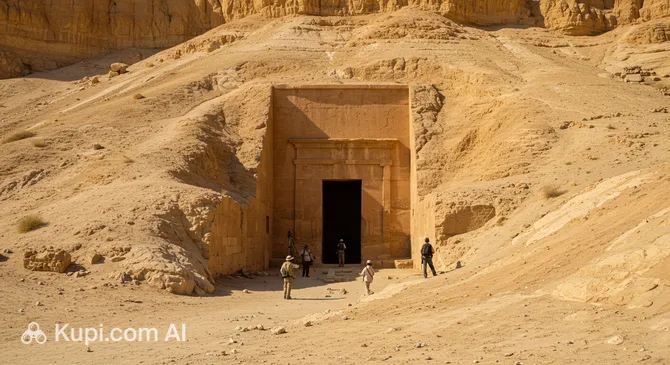
Valley of the Kings. Illustration.
Source: Kupi.com AI

Traveler photos:

Instead of majestic pyramids, the ancient Egyptians chose tombs hidden deep within the limestone cliffs. The complex, which is a UNESCO World Heritage site, is divided into the East and West Valleys. It is not just a cemetery, but a true underground city-museum where more than 60 tombs guard the secrets of ancient rituals and beliefs in the immortality of the soul.

Each tomb is unique: long descending corridors lead to burial chambers with walls entirely covered in vibrant frescoes and hieroglyphic texts. Remarkably, thousands of years later, the colors have retained their original richness, allowing us today to admire scenes from Egyptian mythology and portraits of gods in exquisite detail.

Contacts

To ensure your visit to the Valley of the Kings in Luxor goes smoothly, we recommend checking the latest official information in advance. This will help you plan your time and stay informed about any changes to visiting rules for specific tombs.

As the Valley of the Kings is a state-managed archaeological site in Egypt, key news and details can be found on the Ministry of Tourism and Antiquities' official resources. Useful information is also frequently available at the visitor center located directly at the entrance to the complex.

How to contactContact
AddressLuxor, Luxor Governorate 1340420, Египет
Websiteegymonuments.gov.eg

What to Do

The main experience in the Valley of the Kings is the descent into the depths of the earth, into the world of ancient gods and kings. Walking through the steep galleries of tombs like that of Ramesses III or the magnificent tomb of Seti I, you can study the reliefs in detail, depicting the pharaoh's mystical journey to eternal life. Every image here is filled with deep meaning and symbolism.

A visit to the famous tomb of Tutankhamun is a must to feel the atmosphere of one of the greatest discoveries in archaeological history. Despite its modest size compared to other tombs, it is striking in its energy. Don't forget to walk around the complex itself: the harsh desert landscapes paired with the azure sky create the perfect backdrop for atmospheric photos.

For a deeper immersion, it is recommended to hire a guide or use an audio guide to explain the significance of the complex hieroglyphic texts. After exploring the tombs, you can visit the exhibition in the visitor center, which features models of the complex and interesting facts about the history of its exploration.

Getting There

The legendary Valley of the Kings is located on the west bank of the Nile, approximately 10 kilometers from the center of Luxor. Most travelers begin their journey by crossing the river on a public ferry or a private motorboat, which is a pleasant water adventure in itself.

Once on the west bank, the necropolis can be reached by taxi, tour minibus, or even a rented bicycle for the most resilient travelers. The road winds through majestic desert cliffs, offering breathtaking views of Egypt's ancient landscapes.

For those who prefer maximum comfort, organized tours are available from Luxor hotels or cruise ships. On-site facilities include parking and a modern visitor center, from which small electric trams — taf-tafs — ferry visitors to the tombs themselves.

Nearest city: Luxor

History & Facts

The history of the Valley of the Kings began during the New Kingdom era, when pharaohs moved away from building monumental pyramids. To protect their treasures and their eternal rest from tomb robbers, the rulers of Ancient Egypt began choosing hidden ravines in the Theban hills for their burials. For five centuries, from the 16th to the 11th century BC, complex underground systems of corridors and chambers were created here.

While many tombs were discovered as far back as antiquity, the site achieved true global fame in 1922. It was then that British archaeologist Howard Carter made his sensational discovery, finding the virtually intact tomb of the young pharaoh Tutankhamun. This find allowed humanity to witness the staggering wealth of the funerary equipment belonging to Egyptian monarchs.

The walls of the tombs are decorated with texts from the "Book of the Dead" and other sacred manuscripts, which served as a guide for the ruler's soul in the afterlife. Today, the Valley of the Kings remains a vital UNESCO World Heritage site where archaeological excavations continue and new, equally intriguing discoveries are still being made.

Time Needed

You should set aside 3 to 5 hours for a thoughtful exploration of the Valley of the Kings. A standard entry ticket usually allows you to visit three tombs of your choice from those currently open to the public. Visiting the most famous sites, such as the tomb of Tutankhamun or Seti I, requires additional tickets, which also increases the duration of your visit.

The total time spent depends on how deeply you wish to study the hieroglyphs and frescoes. Factor in travel time from Luxor, the walk through the visitor center, and necessary breaks in the shade, especially if you arrive during the heat of the day.

Working Hours

The Valley of the Kings archaeological site is open to visitors daily, including weekends and holidays. Standard operating hours are from 06:00 to 17:00. The early opening allows you to see the ancient monuments in the first light of the rising sun, which gives the site a particularly magical atmosphere.

We strongly recommend arriving at opening time or during the pre-sunset hours. This will allow you to avoid the exhausting midday heat typical of Luxor and explore the most popular tombs before the arrival of large tour groups. Keep in mind that ticket counters usually stop selling tickets 45–60 minutes before closing.

06:00–17:00

Nearby

The surroundings of the Valley of the Kings are a true archaeological paradise, where world-renowned monuments are hidden behind almost every bend of the cliffs. Exploring nearby sites will help you complete the picture of ancient Thebes' greatness and immerse yourself in the atmosphere of gone millennia.

Just a few minutes' drive away lies the impressive Mortuary Temple of Hatshepsut, carved directly into the sheer rock face, and the unique settlement of ancient artisans at Deir el-Medina. Visiting these sites is an excellent addition to your itinerary and provides deeper insight into the culture and daily life of Ancient Egypt.

NameDistance
Valley of the Kings0 km
Mortuary Temple of Hatshepsut0.5 km
Deir el-Bahari0.7 km
Tombs of the Nobles1.3 km
Deir el-Medina1.4 km
Ramesseum1.6 km
Valley of the Queens1.7 km

Reached the end of the page?

That means the route is fully explored