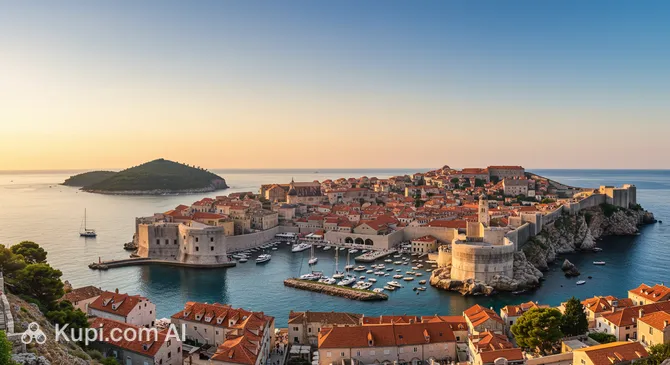
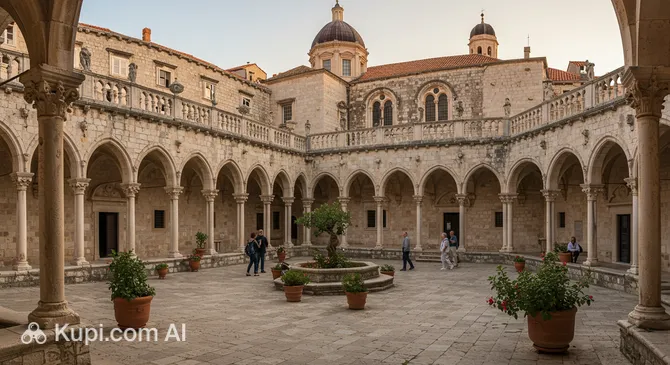
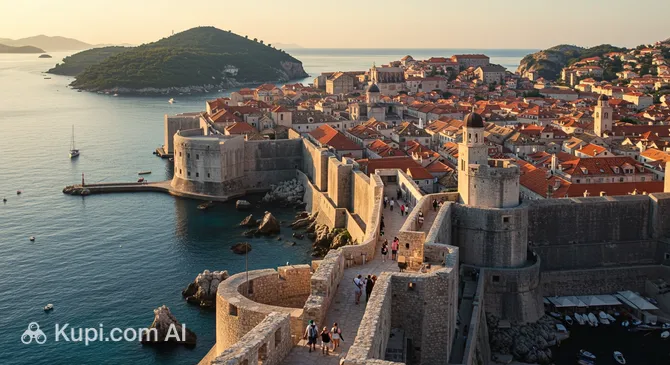
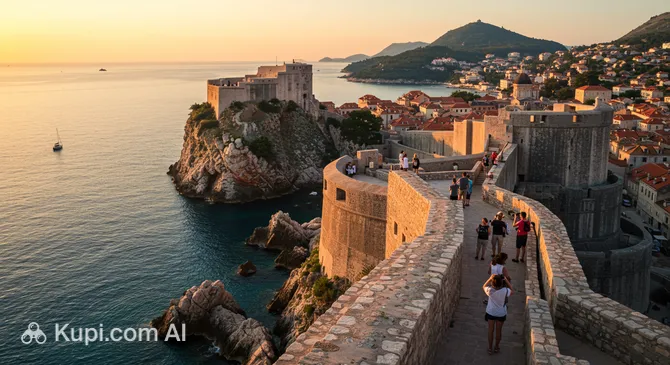
Navigating Dubrovnik is relatively straightforward, primarily because the city is compact and the historic center is a strictly pedestrian-only zone. Within the Old Town, walking is the only way to get around, allowing you to fully immerse yourself in the maze of stone streets. However, for reaching neighborhoods like Lapad, Babin Kuk, or the port of Gruž, the city relies on an efficient and well-organized public bus network.
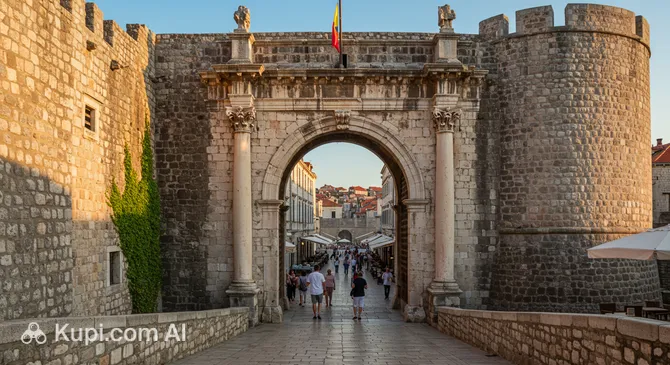
The public transport system is operated by a company called Libertas. You will easily recognize their buses by their distinctive orange color. The network covers the entire city and the surrounding suburbs, with services running frequently from early morning until around midnight. Key lines for tourists include Bus 1A and 1B, which connect the main port in Gruž to the Old Town (Pile Gate), and Bus 6, which runs between the Old Town and the hotel district on the Lapad peninsula.
When it comes to paying for your ride, it is highly recommended to purchase tickets in advance rather than on board. Tickets bought at newsstands (look for the "Tisak" logo) or official Libertas sales points are significantly cheaper than those purchased directly from the driver. If you do buy from the driver, be prepared to pay in cash (Euro) and try to have the exact change. A standard single ticket is valid for 59 minutes from the moment of validation, allowing you to switch buses within that timeframe if necessary.
For visitors planning to do a lot of sightseeing, the Dubrovnik Pass is an excellent investment. Besides offering entry to the City Walls and various museums, it includes a free public transport card valid for the duration of the pass (1, 3, or 7 days). This eliminates the need to buy individual tickets and makes hopping on and off buses seamless.
Upon entering the bus, you must validate your ticket immediately by inserting it into the machine located near the driver. Failure to do so can result in a fine if inspectors check the bus. The buses are generally clean and air-conditioned, which is a relief during the hot summer months, though they can get crowded during peak tourist season.
A unique feature of the city's transport landscape is the Dubrovnik Cable Car. While often viewed as an attraction, it serves as a functional link between the city walls and the summit of Mount Srđ. The ride takes less than four minutes and offers spectacular aerial views of the terracotta rooftops and the Adriatic Sea. It operates throughout the day and into the evening, making it a popular way to catch the sunset.
Since Dubrovnik is a coastal city, sea transport also plays a role. Regular ferry services connect the Old Town port with the nearby island of Lokrum, a popular nature reserve. These boats run frequently during the summer, providing a quick and scenic escape from the city heat. For trips to the Elaphiti Islands, ferries depart from the larger port in Gruž.
Alternatives such as taxis and ride-sharing apps like Uber are widely available and offer a convenient way to travel, especially late at night when bus services reduce frequency. Taxis can be found at designated stands near the Pile and Ploče Gates. While generally reliable, it is always wise to confirm the estimated fare before starting your journey or to use an app to ensure transparent pricing.