Support

Lola ya Bonobo Sanctuary

About

Imagine a true “Paradise for Bonobos”—which is exactly how the name of the unique Lola ya Bonobo sanctuary translates from Lingala. Located just 32 km from Kinshasa, this sanctuary is the only place in the world entirely dedicated to the protection and rehabilitation of these rare great apes. The 30-hectare territory is covered with primary tropical rainforest, creating conditions for the inhabitants that are as close as possible to their natural habitat.
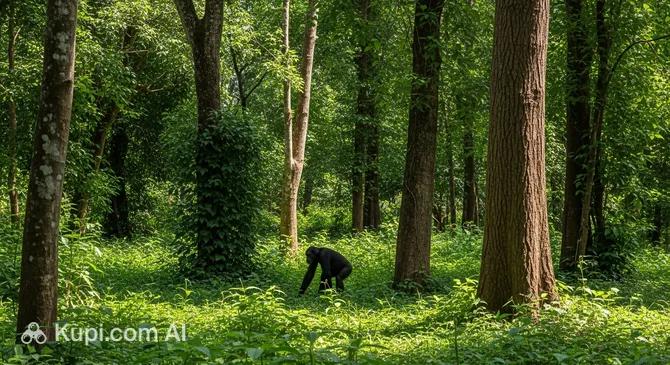
Lola ya Bonobo Sanctuary. Illustration.
Source: Kupi.com AI

Traveler photos:

In this corner of the Congo (DRC), more than 60 bonobos live today. These amazing creatures are our closest relatives in the animal kingdom, with whom we share 98.7% of our DNA. Unlike the more aggressive chimpanzees, bonobos are famous for their peaceful nature and complex social structure based on empathy and cooperation.

The sanctuary was founded by Belgian Claudine André and today serves as a home for animals rescued from the illegal trade. Here, they are not just fed but prepared for return to the wild. The project harmoniously combines ecological care, scientific research, and support for local communities, proving that species conservation is only possible with human involvement.

Contacts

For more details regarding your visit or to organize group tours, you can use the sanctuary's official contact information.

How to contactContact
AddressPetites Chutes des Lukaya, Kinshasa, Демократическая Республика Конго
Phone+243 999 381 079
Websitewww.bonobos.org

What to Do

The primary activity for guests is observing bonobos in their natural environment. Convenient walking trails run along the spacious forest enclosures. During the walk, you can see the primates communicating, playing, and caring for each other. It is particularly interesting to watch the feeding process when the groups gather together.

In "Lola ya Bonobo," guided tours are available, providing detailed information about the unique behavior of these animals and their striking similarity to humans. You will hear touching stories of individual rehabilitation and see the work of "surrogate mothers"—sanctuary staff who replace families for young bonobos, helping them overcome psychological trauma.

In addition to animal observation, visitors can watch documentaries on rainforest conservation at the education center or enjoy an outdoor snack. This place offers a rare opportunity to experience the world of ecotourism and realize the importance of preserving our planet's biodiversity.

Getting There

The sanctuary is located approximately 32 kilometers south of the city center. The route passes through picturesque green hills toward the Small Falls of the Lukaya River (Petites Chutes des Lukaya). A drive outside the city limits usually takes 20 to 30 minutes, although general traffic congestion in the metropolis should be taken into account.

The most convenient and safe way to reach the site is by taxi or by renting a car with a professional driver. Public transport in this direction is limited and will only take you to the outskirts, after which a private transfer to the sanctuary gates will still be required. For accurate navigation, it is recommended to use modern map services, using the Petites Chutes de la Lukaya as a reference point.

Nearest city: Kinshasa

History & Facts

The history of this amazing place began in the mid-1980s with one determined act. Claudine André, who was volunteering at a zoo, rescued an emaciated baby bonobo named Mikeno. Despite the skepticism of others, she managed to nurse the little one back to health, which led to the creation of the Amis des Bonobos du Congo (ABC) organization in 1994.

The "Lola ya Bonobo" sanctuary itself opened its doors in 2002. Initially, it occupied 35 acres of land, but over time, the territory expanded to 75 acres, becoming a full-fledged rehabilitation center. Claudine, the daughter of a veterinarian who grew up in the forests of Africa, developed a unique methodology: each rescued orphan is assigned a "surrogate mother"—a person who provides the primate with the warmth and care necessary for psychological recovery.

Today, Claudine's life's work is managed by her daughter, Fanny Minesi. Over the years, the project has received international recognition, and its founder was honored with prestigious awards, including the French National Order of Merit. The sanctuary has become not just a place for saving animals, but also an important educational center that changes the local population's attitude toward wildlife.

Time Needed

To ensure your visit is leisurely and informative, it is recommended to set aside 3 to 4 hours for the sanctuary. This time is enough to walk the main forest trails, watch the primates feed and play, and view educational videos at the information center.

It is best to plan your trip for the morning hours. This is when bonobos are most active and often come close to the enclosures. Additionally, a morning walk through the shaded primary forest will be more comfortable in terms of temperature.

Working Hours

The sanctuary welcomes visitors from Tuesday to Sunday. Guests are expected between 10:00 AM and 2:30 PM. Please note that Monday is a day off—the sanctuary is closed to visitors at this time.

As the operating schedule may change depending on the season or special events, it is highly recommended to check the information on the organization's official website before your trip.

DayWorking hours
MondayЗакрыто
Tuesday10:00–14:30
Wednesday10:00–14:30
Thursday10:00–14:30
Friday10:00–14:30
Saturday10:00–14:30
Sunday10:00–14:30

Nearby

A visit to the sanctuary can be combined with seeing other interesting places in the surroundings and the city itself. Exploring different types of attractions—from nature parks to historical buildings—will allow you to gain a fuller understanding of the multifaceted culture and nature of this region.

NameDistance
Aqua Splash17.2 km
National Museum of the Democratic Republic of the Congo17.8 km
A Casa Mia20.2 km
Limoncello Italian Restaurant21.4 km

Reached the end of the page?

That means the route is fully explored